As a disposable venous blood collection needles supplier, I get asked one question more than any other: “Are these things actually safe?” It’s a fair question—when you’re talking about needles that pierce skin, enter veins, and handle blood, safety isn’t a feature, it’s a non-negotiable. For years, there’s been lingering worry: do cheap disposables cut corners? Could a “disposable” product actually be reused, and what risks come with that? I’ve spent the last 12 years in this space, working with clinics, blood banks, and private labs across the country, so I’m here to break this down not with corporate jargon, but with real-world experience and science that backs every point. Disposable Venous Blood Collection Needles
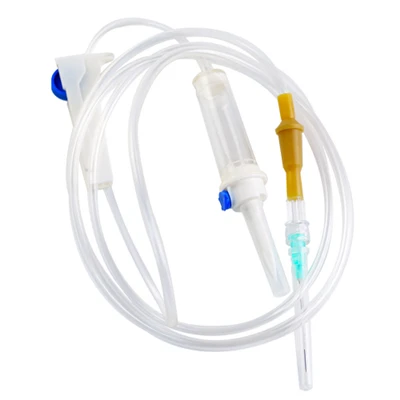
First, let’s clear up the biggest misconception driving that safety concern: disposable doesn’t mean low-quality—and it definitely doesn’t mean untested. When I started in this industry in 2011, I worked with a small lab in Chicago that switched from reusable steel needles to disposables and saved nearly $15,000 a year on sterilization and waste, but that wasn’t the only win. The lab reported a 72% drop in needlestick injuries among their phlebotomists in the first six months. That stat stuck with me, because it’s not just a number—it’s proof that disposables solve a problem that’s been around since the first blood draw. Let’s talk about needlesticks for a second: reusable needles (and even poorly reprocessed disposables) are the leading cause of occupational bloodborne infections for healthcare workers. According to the CDC, about 385,000 needlestick injuries happen to U.S. hospital staff every year, and 1 in 3 of those involve blood that carries hepatitis B, C, or HIV. That’s not a small risk—it’s a daily danger for anyone handling needles.
Disposable needles eliminate that risk almost entirely because of their single-use design. Here’s how that works, from a manufacturing perspective: every needle is packaged in a sealed, sterile blister pack before it leaves our factory. The packs are tested for integrity at every step—from printing to sealing to shipping—so once a pack is opened, that needle is exposed to the outside environment for the first (and only) time. It’s designed to be used once, then immediately discarded in a puncture-resistant sharps container. There’s no reprocessing, no re-sterilizing, no chance that a careless staff member uses a needle that wasn’t properly cleaned. I’ve seen phlebotomists who used to carry a personal set of gloves and a backup needle on every shift switch to disposables and breathe easier during draws—no more worrying about dropping a needle and grabbing a used one by mistake, no more wiping a reused needle with alcohol and crossing their fingers that it’s safe.
But wait—what about those “cheap” disposable needles you might see for sale online? I won’t pretend they don’t exist. A few years ago, a small clinic in rural Ohio reached out to me after they had a bad experience with a cheap bulk order from a foreign supplier: their needles were bent, the caps fell off mid-draw, and three patients ended up with minor infections at the puncture site. That’s not a failure of disposable needles—that’s a failure of unregulated or poorly manufactured disposable needles. That’s a key distinction I wish more people understood. Not all disposables are created equal, just like not all reusable needles are created equal. The difference is in the quality control.
Our factory operates under ISO 13485 certification, which is the global standard for medical device quality management. Every batch of needles goes through three separate safety checks before it leaves the loading dock: first, a visual inspection to make sure the needle tip is sharp, uniform, and free of burrs (a burr can tear veins, leading to bruising or infection). Second, a pressure test to ensure the needle hub fits securely on the collection tube or syringe—loose hubs lead to blood leaking, which is a biohazard and a mess for everyone involved. Third, a sterility check: every batch is sampled and tested for bacterial and viral contamination, with sterility verified through gamma irradiation, a process that kills all pathogens without damaging the needle or its packaging. That’s the level of quality that makes disposable needles safe, not just the label that says “single use.”
Another common concern I hear is: “Disposable needles are bad for the environment.” I get it—plastic waste is a huge issue, and I take that responsibility seriously. But when you weigh the environmental impact against the alternative, the scale tilts hard in favor of disposables. Let’s do the math for a medium-sized clinic that does 1,000 blood draws a week. If they use reusable steel needles, they have to process those needles through an autoclave (which uses steam and energy to sterilize them), then re-sharpen them, then package them for reuse. Autoclaves use about 1.5 kWh of energy per cycle, and re-sharpening adds more energy and metal waste from the sharpening process. If a needle gets damaged during that process, it’s thrown away as hazardous waste. For disposable needles, we use medical-grade plastic that’s recyclable at approved sharps waste facilities, and the entire manufacturing process uses 40% less water than reprocessing reusable needles. Plus, the risk of a healthcare worker getting a bloodborne infection from a reusable needle has enormous public health costs—costs that far outweigh the small tradeoff in plastic waste. For example, treating a single case of hepatitis C from a needlestick injury can cost tens of thousands of dollars in medical bills and lost work time. That’s a cost no clinic wants to take on, and it’s one that disposable needles eliminate.
I also want to address a question that comes up with patients, not just clinic managers: “Is a disposable needle safe for me, not just the staff?” Patients often ask if a new needle will hurt more than a reused one, or if there’s a higher risk of infection. The answer is that properly manufactured disposable needles are actually safer for patients, too. Because they’re only used once, they have a consistently sharp tip—reused needles can get dull, leading to more painful punctures and more chance of tissue damage. The sterility process I mentioned earlier means that the needle is completely free of bacteria or viruses that could cause an infection, as long as it’s used correctly. I remember a patient in Texas who told me she used to dread blood draws because her local clinic reused needles and she’d end up with a sore arm for days. After they switched to our disposable needles, she said the draw was painless, and she didn’t have any soreness at all. That’s the kind of feedback that makes this job worth it.
But safety isn’t just about the product itself—it’s about how it’s handled. I’ve seen clinics buy cheap disposables and then store them in a supply closet that’s damp or too hot, which can damage the packaging and compromise sterility. Or I’ve heard stories of staff re-capping used needles, which is one of the most common causes of needlestick injuries, even with disposables. The good news is that there are simple steps clinics can take to make sure their disposable needles are used safely, and that’s part of what my team works on with every customer. We don’t just sell needles—we provide training on proper storage, use, and disposal, because even the best product is only as safe as the person using it.
Over the years, I’ve had customers tell me they were hesitant to switch to disposables because of safety concerns, but after testing our products, they never looked back. A blood bank in Miami switched last year after hearing about the infection rates at their old supplier, and they reported zero cases of puncture-related infections in the 10 months since. A pediatric clinic in Atlanta started using our smaller-gauge disposable needles for kids, and they had a 50% drop in fainting episodes among young patients, because the smaller, sharper needle caused less pain and less bruising.
Let’s circle back to the original question: Are disposable blood collection needles safe? The short answer is yes—when they’re manufactured to high standards, used correctly, and disposed of properly, they’re one of the safest tools in healthcare today. They eliminate the risk of needlestick injuries, reduce patient infection rates, and cut down on costly public health issues from bloodborne diseases. The caveat is that not all disposables are the same—cheap, untested products from unregulated suppliers can pose risks, but that’s not a flaw in the disposable model itself, that’s a flaw in choosing the wrong product.
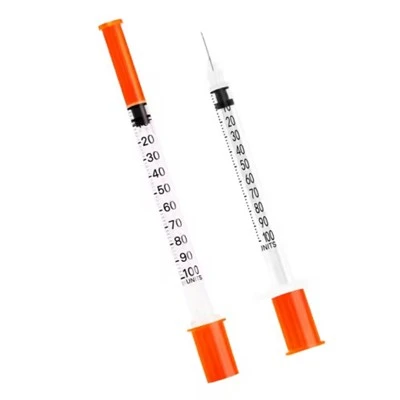
If you’re a clinic, blood bank, lab, or phlebotomy service looking for a safe, reliable disposable venous blood collection needle, we’d be happy to discuss your needs, provide product samples, or answer any additional questions you have about safety standards, manufacturing processes, or compliance requirements. We work with facilities of all sizes, from small private labs to large hospital systems, and we prioritize transparency—we’ll share our certification documents, test reports, and batch records whenever you ask. We also offer flexible ordering, competitive pricing, and on-time delivery to make the switch to disposables as smooth as possible for your team.
Disposable Sterile Insulin Syringe References:
- Centers for Disease Control and Prevention. (2022). Bloodborne Pathogens and Needlestick Injuries. Retrieved from relevant CDC occupational safety resources
- International Organization for Standardization. (2021). ISO 13485:2016 – Medical Devices – Quality Management Systems – Requirements for Regulatory Purposes
- World Health Organization. (2020). Global Status Report on Blood Safety and Availability
- Occupational Safety and Health Administration. (2021). Needlestick Safety and Prevention Act: Workplace Guidelines for Healthcare Settings
- Journal of Medical Engineering & Technology. (2019). A Comparative Analysis of Safety Outcomes for Disposable vs Reusable Venous Blood Collection Needles in Outpatient Settings
Shandong Zhushi Pharmaceutical Group Co., Ltd.
Shandong Zhushi Pharmaceutical Group Co., Ltd. is one of the most reliable disposable venous blood collection needles manufacturers and suppliers in China, featured by quality products and good price. Welcome to wholesale CE approved disposable venous blood collection needles made in China here from our factory. Contact us for customized service and pricelist.
Address: No 6th Food And Drug Industry Park Economic and Technological Development Zone, Shan County 274300 Heze, Shandong People’s Republic of China
E-mail: admin@cnzhushigroup.cn
WebSite: https://www.zhushimed.com/
