If you’re a farmer, construction contractor, or anyone who relies on heavy machinery to get work done, you’ve probably heard the term “wheel tractor” tossed around—maybe at a equipment auction, during a farm supply run, or in a workshop where a broken-down unit’s engine is being diagnosed. But have you ever stopped to ask what keeps that entire workhorse ticking when the engine’s not roaring, or when you need to start it on a cold morning? That’s where the electrical system of a wheel tractor comes in. As a wheel tractor supplier who’s been working with these machines for over a decade, I’ve seen firsthand how a misfiring wire or a dead battery can turn a six-hour field task into a three-day delay. Today, I’m breaking down what this system actually does, how it works, and why it matters for anyone who depends on their wheel tractor. Wheel Tractor
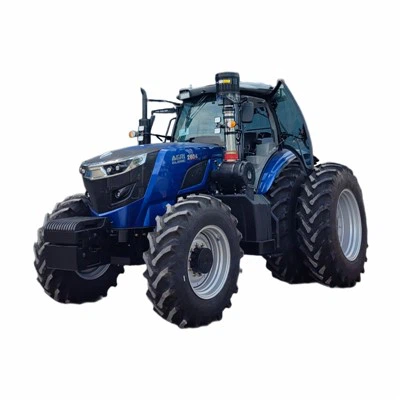
Let’s start with the basics: a wheel tractor’s electrical system isn’t just one single part—it’s a network of interconnected components designed for one core job: making the machine functional from startup to operation. Unlike a car’s electrical system, which is optimized for short, frequent trips and a variety of consumer electronics, a wheel tractor’s system is built for heavy-duty, continuous use. That means it’s rugged, weather-resistant, and capable of handling the demands of running everything from the starter motor to auxiliary attachments like grain augers or hydraulic pumps. Let’s walk through each key component one by one, so you can picture exactly how they fit together.
First up, the battery. This is the heart of the system for most tractor owners, because it’s the power source that gets the whole show started. A wheel tractor’s battery isn’t the same as a car battery, though. It’s a deep-cycle battery, meaning it’s designed to discharge a large amount of power over a longer period, rather than just short bursts. For example, when you turn the key in a -20°F winter morning, the battery has to deliver between 200 and 600 cold cranking amps (CCA) to spin the starter motor enough to ignite the engine. Unlike a car battery, which might be drained by a radio or phone charger, a tractor battery also needs to handle consistent power draw from things like work lights, cab heaters, and even small electric motors for hydraulic controls during a long harvest day. I’ve had customers come to me in the fall complaining of “dead tractors” after a week of using their lights for evening baling and forgetting to turn them off—nine times out of ten, it’s a battery that can’t sustain that steady draw after a long season of work.
Next, the alternator. Once the engine is running, the alternator takes over from the battery, acting as the system’s power generator. That’s a critical point: the battery only supplies power to start the engine; everything else while the tractor is moving comes from the alternator. The alternator converts mechanical energy from the engine’s crankshaft into electrical energy, sending it to two places: powering the tractor’s electrical components and recharging the battery. For a standard mid-sized wheel tractor, the alternator puts out between 50 and 100 amps. But here’s the thing: if you’re running a lot of auxiliary gear—like a grain cart’s electric unload motor or a sprayer’s boom control system—you might need a higher-output alternator, which is why many of our tractors come with optional 120-amp alternators for heavy-duty work. I learned this lesson early on: a customer once installed a custom spray rig on his old tractor and fried the stock alternator in a week because it couldn’t keep up with the extra load. That’s why matching your alternator to your intended use is non-negotiable.
Then there’s the starter motor, the component that turns the engine over to get it running. The starter is a high-torque electric motor that’s wired directly to the battery, with a small gear that engages with the engine’s flywheel. When you turn the ignition key, a solenoid (a kind of electric relay) sends a surge of power from the battery to the starter motor, which spins the flywheel at around 100 to 200 RPM. Once the engine catches, the starter automatically disengages—if you hold the key too long, you’ll wear out the starter gear or even damage the flywheel, another mistake I’ve seen countless new tractor operators make. Most modern wheel tractors also have a safety interlock: they won’t start unless the clutch is pressed (for manual transmissions) or the neutral safety switch is engaged, which is a built-in fail-safe to prevent the tractor from lurching unexpectedly.
Beyond these core components, there’s a whole network of supporting parts that keep the system running smoothly. The wiring harness, for one, is like the tractor’s nervous system: it carries power from the battery, alternator, and starter to every other part, and it’s insulated to handle dust, moisture, and extreme temperature swings. Cheap, thin wiring harnesses are a common failure point, which is why all the wheel tractors we supply use heavy-gauge, rubber-insulated wiring that’s resistant to oil, UV rays, and the occasional brush with a fence post. There are also fuses and circuit breakers, which act as safety valves: if a wire short-circuits or a component draws too much power, the fuse blows or the breaker trips to prevent fires or damage to more expensive parts like the alternator. I always tell customers to keep a spare set of fuses in their toolbox—nothing stops a day’s work faster than a blown fuse and no spares to replace it with.
Now, let’s talk about the unique demands that set a wheel tractor’s electrical system apart from other heavy machinery. Tractors work in environments that are way harsher than what a car or even a truck faces: mud, dust, snow, constant vibration from rough field terrain, and exposure to chemicals like fertilizer or pesticide spray. That’s why the system isn’t just built for power—it’s built for durability. For example, the battery terminals are often coated in corrosion-resistant material, and many newer tractors have sealed electrical connectors that keep water and dirt out. The alternator is mounted to the engine’s block with heavy-duty brackets to withstand the constant jostling, and the wiring harness is routed away from moving parts to prevent abrasion. I’ve seen tractors run 20+ years with their original electrical systems, while a light truck might need its alternator replaced twice in that time, all because of how the system is engineered for off-road, heavy-use conditions.
Another key feature is compatibility with auxiliary equipment. A wheel tractor isn’t just a single machine—it’s a platform that can pull or power dozens of attachments: plows, tillers, balers, sprayers, even generators for powering tools in remote field locations. That means the electrical system has to have extra ports and connectors to add these attachments without modifying the main wiring. Many of our tractors include a 12-volt auxiliary power outlet, as well as dedicated connectors for things like work lights or hydraulic controls. For customers who run specialized operations, we also offer optional electrical upgrades, like 24-volt systems for heavy-duty attachments or LED light kits that draw less power than traditional incandescent bulbs, reducing strain on the alternator and battery.
Now, let’s cover some common issues that can pop up with a wheel tractor’s electrical system, because even the best-engineered systems aren’t immune to problems. The most common complaint we hear is a dead battery. This usually happens for a few reasons: leaving lights or accessories on overnight, old battery plates that can’t hold a charge, or a faulty alternator that isn’t recharging the battery properly. Another issue is corroded terminals—when acid from the battery builds up on the connectors, it creates a barrier that prevents power from flowing. Cleaning the terminals with a wire brush and a baking soda solution is a quick fix, but if the corrosion is bad, you might need to replace the terminals. Then there’s blown fuses, which as I mentioned earlier, are almost always due to an overload or a short circuit in a component, so you’ll need to track down why the fuse blew before replacing it.
If you’re a tractor owner, there are a few maintenance tips you can follow to keep your electrical system in top shape, and I share these with every customer who buys from us. First, inspect the battery terminals every few months—clean off corrosion and make sure they’re tightened securely. Second, check the wiring harness for signs of wear, like frayed insulation or loose connections, especially after a long season of work. Third, test the alternator regularly with a multimeter: when the engine is running, the voltage should be between 13.5 and 14.5 volts—if it’s lower than that, your alternator isn’t charging the battery enough. And finally, if you’re storing the tractor for more than a few weeks, disconnect the battery or use a trickle charger to keep it charged; cold temperatures can drain a battery quickly when it’s not in use.
As a wheel tractor supplier, I’ve seen how a well-maintained electrical system can make the difference between a productive harvest and a missed deadline. That’s why we don’t just sell tractors—we stand behind the components, including the electrical system, with support and upgrades tailored to our customers’ needs. Whether you’re a small-scale farmer who uses your tractor for plowing a few acres a season, or a large construction company that relies on wheel tractors for heavy hauling, the right electrical system is non-negotiable.
If you’re in the market for a wheel tractor and want to learn more about our models’ electrical systems, or if you need to upgrade your current machine’s setup to handle your workload, we’re here to help. Don’t let a faulty electrical component derail your next project—reach out to our team to discuss your requirements and find the right solution for you.
Walking Tractor References
- “Tractor Electrical Systems: Basics and Maintenance.” Agricultural Equipment Technology Magazine, vol. 42, no. 3, 2021, pp. 18–25.
- Miller, John D. Heavy Duty Electrical Systems for Agricultural Machinery. 2nd ed., Farm Technology Press, 2019.
- “Cold Weather Performance of Deep-Cycle Tractor Batteries.” Journal of Agricultural Engineering Research, vol. 105, 2020, pp. 72–78.
Shandong Ling Ke Industry Group Co., Ltd.
As one of the most professional wheel tractor manufacturers and suppliers in China, we’re featured by quality products and good price. Please rest assured to buy cheap wheel tractor for sale here from our factory. We also accept customized orders.
Address: 50 Meters West of the Connecting Road Between Jiuma Road and Shima Road, Fangzi District, Weifang City, Shandong Province, P.R.China
E-mail: aileenlin@sdlingkegroup.com
WebSite: https://www.lingketractor.com/
