Hey there! If you’re in the market for a utility tractor (whether you’re a small-scale farmer, a landscaper, a property manager with 5+ acres, or even someone who needs a reliable rig for heavy-duty DIY projects), I’ve been supplying utility tractors for nearly a decade now, and I can’t tell you how many times people come to me saying, “I just need a tractor that works.” But here’s the thing—one size never fits all when it comes to these workhorses. Skip the shiny, flashy specs that sales reps love to rattle off; focus on the stuff that actually makes your life easier, saves you cash in the long run, and doesn’t leave you stuck mid-project. Utility Tractors
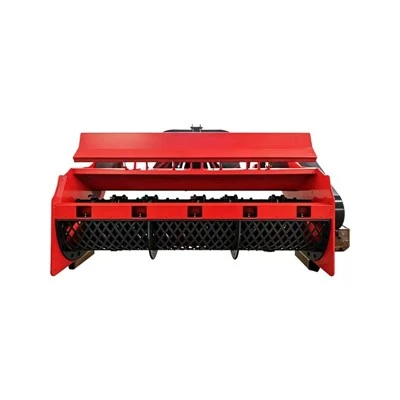
First off, let’s cut through the noise: a utility tractor isn’t a fancy garden tractor for mowing your tiny backyard. These are the workhorses that pull plows, tow trailers, run hay balers, dig post holes, power snow blowers in the winter, and handle everything in between. So your first priority should be engine power—but not just raw horsepower. Wait, no, don’t just go for the highest number on the spec sheet. What matters is torque, especially low-end torque. That’s the grunt that gets the tractor moving heavy loads without bogging down. For example, if you’re pulling a 4,000-pound hay trailer up a slight grade, low-end torque (usually around 1,200 to 1,800 rpm) will keep the tractor steady without making the engine strain. I’ve seen customers drop $15k on a 50-hp tractor that couldn’t pull their wood splitter, because it only had peak torque at 2,500 rpm—way too high for real work.
Also, engine type: stick with liquid-cooled, four-cylinder diesel engines if you can. Gas engines work for small jobs, but they guzzle fuel, don’t have the longevity, and burn out faster under heavy load. Diesels last 2-3 times longer, get way better fuel economy, and that low-end torque I mentioned? Diesels are built for it. Pro tip: go for an engine with at least 24 hp to 35 hp if you’re doing mid-sized jobs, or 45 hp to 60 hp if you’re tackling bigger projects. Anything below 24 hp is basically a garden tractor with a “utility” label—don’t waste your money.
Next up is the transmission. This is where I see the most buyer’s regret, hands down. A lot of people opt for a hydrostatic transmission (HST) because it’s easy to drive—push one pedal for forward, one for reverse, no gears to shift. But here’s the catch: HSTs are great for light, continuous jobs like mowing, but they don’t hold up under heavy load or frequent direction changes. If you’re towing a heavy load, or switching between pulling a plow and a rotary tiller all day, HSTs will overheat and die faster than a lead ball in hot weather. For real utility work, you want a manual transmission—specifically a gear-drive or syncromesh transmission with at least 8 forward and 4 reverse gears. Wait, some might say “what about a power shuttle?” That’s a middle ground: it lets you switch forward/reverse without clutching, which is perfect for loader work (you’re constantly moving back and forth when lifting dirt or gravel). A good power shuttle doesn’t break the bank, and it gives you the best of both worlds—easy operation for small jobs, durability for heavy stuff. Avoid the CVT transmissions that some new models have; they’re expensive to repair, and no one I know who uses them daily hasn’t had a major issue within 3 years.
Then there’s the hitch system. This is what connects your tractor to all those attachments—plows, mowers, post hole diggers, etc. Most utility tractors use a Category 1 hitch, which is standard for jobs up to about 5,000 pounds. But make sure the hitch has a drawbar that can handle that load, not just the 3-point hitch. A lot of cheaper models skimp on the drawbar, so towing heavy trailers will bend it. Also, look for a hitch with quick-connect ability for attachments—no one wants to spend 20 minutes wrestling with bolts just to switch from a lawn mower to a snow blower. If you’re doing jobs like farming with larger equipment, you might need a Category 2 hitch, but that’s overkill for most people; stick with Category 1 unless you know you need more.
Loader compatibility is another big one. 70% of the utility tractors I supply go with a front-end loader, because you can use it to move dirt, haul mulch, lift debris, plow snow—basically 10 more jobs in the winter. So make sure the tractor has the frame strength to support a loader. A lot of smaller tractors have thin frames that bend when you lift 1,000 pounds with a loader. Look for a tractor with a reinforced front axle and a rated loader capacity of at least 1,200 pounds. Also, check if the loader’s arms are long enough to lift above the cab—if you’re lifting pallets of bricks, you need to get them over a fence or into the back of a truck, so extra arm length is a game-changer.
Now, let’s talk about comfort and ergonomics, because even though it’s a work tractor, you’re going to spend hours on it. If your seat is hard, your steering is stiff, and the controls are out of reach, you’ll be sore after 2 hours, and that’s no way to get work done. Look for a suspension seat—preferably with lumbar support—and power steering. I’ve had customers come back saying they bought a tractor without power steering, and after plowing their driveway all winter, their arms were so sore they couldn’t lift a coffee mug. Also, make sure the controls (throttle, gear shift, shuttle) are within easy reach, not hidden under the dash. A tilt steering wheel is a nice extra, but not necessary—just make sure the seat adjusts for different heights. Also, check the footwell space: if you’re a bigger person, cramped footwells will make long days miserable.
Maintenance is something almost no one thinks about until it’s too late. You want a tractor that’s easy to work on, because when something breaks, you don’t want to wait 2 weeks for a mechanic to order a part. Look for models where the engine and transmission are easily accessible—side panels that flip open, not bolts you have to remove with a wrench. Also, check how often you need to change the oil, filters, and hydraulic fluid. A tractor with 50-hour oil changes is way better than one that needs it every 25 hours—saves you money on parts and labor. Pro tip: avoid generic parts; the tractors I supply use parts that are widely available at local auto parts stores or hardware shops, not custom parts that only the dealer can get. That’s a huge one—if your tractor breaks down on a Saturday, you don’t want to have to wait until Monday for the dealer to open.
Wait, what about size and turning radius? If you’re working on a small property (under 5 acres), a compact utility tractor with a 30-inch wheel width will fit through gateways and between buildings easily. But if you have a larger property (10+ acres), a slightly bigger tractor with a wider wheelbase will be more stable. Turning radius is also key—if you’re mowing around trees or turning around on tight paths, a smaller turning radius means you don’t have to back up every 10 feet, which saves so much time. A lot of people buy a tractor that’s too big for their space, and they end up damaging fences or getting stuck in tight spots. I always ask customers to measure their gateways, paths, and the largest area they’ll be working in before I suggest a size.
Also, fuel type and fuel tank size. We talked about diesel vs gas, but the tank size matters too. If you’re working all day on a farm or a large construction site, a 10-gallon fuel tank is way better than a 5-gallon one—you won’t have to stop and refuel every 2 hours. For smaller jobs, a 5-gallon tank is fine, but keep that in mind: more hours of work between fill-ups means less downtime.
Let me throw in a real example to make this concrete. Last year, a guy came to me wanting a tractor for his 8-acre hobby farm. He was towing a hay trailer, running a rotary tiller, and plowing snow in the winter. I showed him two models: one with a 35-hp HST, and one with a 32-hp diesel manual with a power shuttle. He almost bought the HST because it was $1,000 cheaper and “easier to drive.” But I told him—he was pulling a 3,000-pound hay trailer, and the HST would overheat after 2 hours of pulling that. Sure enough, 3 months later, he came back saying the HST had died, and he had to pay $2,500 for a new transmission. He ended up trading it in for the model I suggested, and he’s had zero issues in 2 years. That’s the kind of stuff sales reps don’t tell you—they care about the sale, not how the tractor will hold up for your specific needs.
Another thing: warranty. Don’t sleep on the warranty. A 2-year/2,000-hour warranty is good, but a 3-year/3,000-hour warranty is a no-brainer. It covers major repairs (engine, transmission, transmission) so you don’t have to fork out thousands if something goes wrong. Also, make sure the warranty is transferable if you ever sell the tractor—adds resale value down the line. I supply tractors with warranties that are way longer than what big box stores offer, because I know how important that peace of mind is.
Wait, let’s address some common misconceptions. A lot of people think “bigger hp = better tractor.” Not true. If you’re only mowing a 1-acre lawn and pulling a small yard trailer, a 25-hp tractor is more than enough. A 50-hp tractor would be overkill, heavier, and harder to maneuver in tight spots. You’re just wasting money on power you don’t need. On the flip side, don’t undersize. If you’re farming 10 acres, a 20-hp tractor won’t pull a hay baler—you’ll burn out the engine in a month. It’s all about matching the tractor to your specific jobs.
Also, attachments! Most people forget that attachments cost almost as much as the tractor. So when you’re choosing your tractor, make sure it’s compatible with the attachments you already have or plan to buy. For example, if you have a John Deere mower, make sure the new tractor uses the same hitch as the mower, so you don’t have to buy a whole new mower. I always make sure to ask customers what attachments they have, so I can point them to tractors that work with those, saving them hundreds of dollars.
Okay, so to wrap this up, here’s the quick checklist to keep in mind:
- Engine: Liquid-cooled 4-cylinder diesel, 24-60 hp (match to your jobs), low-end torque.
- Transmission: Syncromesh or power shuttle manual, not HST for heavy work.
- Hitch: Category 1 (most jobs), with quick-connect and a strong drawbar.
- Loader compatibility: Reinforced frame, 1,200+ lb loader capacity, long lift arms.
- Comfort: Suspension seat, power steering, adjustable controls.
- Maintenance: Easy access, local parts availability, 50+ hour oil changes.
- Size: Match to your property’s gateways, paths, and workspace.
- Warranty: At least 3 years/3,000 hours, transferable.
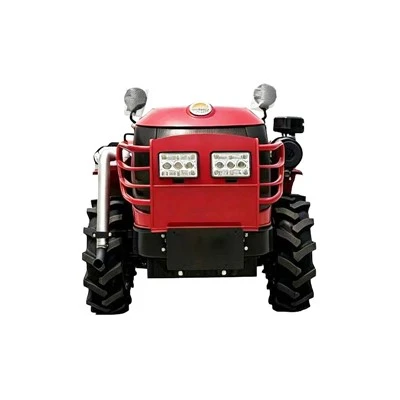
At the end of the day, a utility tractor is an investment, not a toy. Buying the wrong one can cost you thousands in repairs and lost work time. I’ve seen it too many times—customers who cut corners on specs and end up regretting it. If you’re not sure what you need, just reach out to me. I don’t push the most expensive model; I push the one that fits your exact jobs, your property size, and your budget. Whether you’re a first-time buyer or you’re replacing an old tractor, I’m here to help you make the right call. No sales pitches, no hidden fees, just honest advice from someone who’s been in the utility tractor game for years. Hit me up to chat through your needs, and we can work out a deal that works for you.
Utility Tractors References:
- Agricultural Tractor Specifications: Power, Transmission, and Maintenance Guidelines. National Agricultural Statistics Service, U.S. Department of Agriculture.
- Utility Tractor Buyer’s Guide: Ergonomics and Durability Considerations. Equipment Dealers Association International.
- Diesel vs. Gasoline Utility Tractor Performance Analysis. American Society of Agricultural and Biological Engineers.
- Hitch System Compatibility for Agricultural and Landscaping Equipment. Soil and Water Conservation Society.
- Warranty Standards for Commercial and Residential Utility Tractors. Farm Equipment Manufacturers Association.
Shandong Jiayuan Agricultural Equipment Co., Ltd.
As one of the most professional utility tractors manufacturers and suppliers in China, we have world-leading production equipment and strong manufacturing capabilities. Please feel free to buy advanced utility tractors for sale here from our factory.
Address: No.2, No.002777 Zhongjiang West 4th Street, Yangzi Subdistrict, Binhai District, Weifang City, Shandong Province, China
E-mail: sdjynyzb@163.com
WebSite: https://www.jiayuantractor.com/
