As the owner of a small but specialized automatic bagging machine supply business, I get this question all the time: “What industries actually rely on automatic bagging machines to keep their operations running?” It’s a fair one—most people see a bagged product on a grocery store shelf or a warehouse pallet and don’t stop to think about the heavy lifting that happens before it gets there. Over the past 12 years in this game, I’ve watched these machines evolve from clunky, one-size-fits-all tools to precise, customizable workhorses that fit into nearly every sector that deals with dry, flowable products. Today, I want to break down the key industries our team serves, share why automatic bagging machines aren’t just a luxury but a necessity for many of these businesses, and give you a clear path to talk through your own operations if you’re considering making the switch. Automatic Bagging Machine
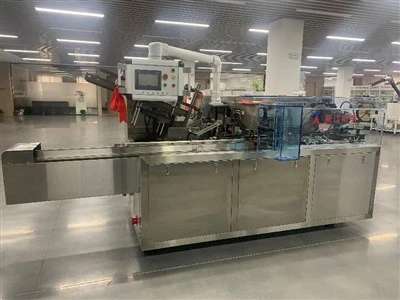
Let’s start with the agriculture sector—this is where our story in automatic bagging machines actually began, back when I first started repairing older, manual baggers for local family farms. Back then, farms were still relying on workers to scoop seeds, fertilizer, grain, and animal feed into bags, a process that was slow, inconsistent, and physically grueling. One harvest season, a local corn farmer came to me frustrated: his team had called out sick, and he was trying to bag 50-pound corn seed for his customers, only to end up with lopsided bags and waste that cut into his profits. That’s when we installed our first compact automatic bagging system for him. Now, 10 years later, that farmer uses two of our machines to bag everything from seed corn to birdseed for his side business. The reason agriculture depends so heavily on these machines? Hygiene and speed, first and foremost. Agricultural products like grains, legumes, and fertilizer are often bulk, and manual handling raises the risk of cross-contamination or spoilage—critical when products are going to end up in animal feed or for human consumption. Our agricultural models are built with food-grade stainless steel (easy to sanitize between batches) and can handle everything from fine powder (like alfalfa meal) to large, irregular pellets (like corn kernels). They also cut down on labor costs at a time when many rural areas struggle to find reliable farm workers. Last year, we upgraded a soybean processor that now bags 1,200 60-pound soy bags an hour with one of our high-speed automatic systems—something no team of manual workers could match without rushing and making costly mistakes.
Next up is the food and beverage processing industry, and this is an area where we’ve seen exponential growth over the last five years. If you’ve ever picked up a bag of rice, coffee beans, dried fruit, or pet food from a store shelf, chances are it was bagged by an automatic machine. The food industry has strict regulations on consistency and hygiene, and automatic bagging machines check both boxes perfectly. Unlike manual bagging, where a worker might underfill or overfill a bag by a few ounces, our machines measure to within a tenth of a pound, which is a huge deal for profit margins—overfilling even a small percentage of 10,000 bags a month can add up to thousands of dollars in wasted product. Plus, for products like ground coffee or protein powder that need to stay fresh, our machines can be fitted with nitrogen flushing features that seal bags immediately after filling, extending shelf life without extra labor. I’ll never forget a conversation with a craft bakery owner who wanted to start packaging his own dried sourdough starter for sale online. He was using a small scale and hand-sealing bags, but when his order hit 500 units a week, he was falling behind and the seal quality was inconsistent. We installed a semi-automatic (and later a full automatic) bagging system for his operation, and within a month he’d doubled his online sales because customers were raving about the fresh, perfectly sealed bags. Even pet food brands, which deal with large volumes of both dry kibble and treats, rely on these machines—they can handle everything from 1-pound bags of cat treats to 50-pound bags of dog food, adjusting for product flow and bag size without downtime.
The construction and mining industries are another big player, even if they’re not the first sector people think of when it comes to bagging. Think about it: when you buy a bag of cement, mortar mix, sand, or even gravel for home improvement, that’s a product that used to be (and still is, in many small operations) bagged manually. But for large construction companies and mining operations that process hundreds of tons of material a day, manual bagging is not practical or safe. Our heavy-duty automatic bagging machines are built to handle abrasive, coarse materials—things like Portland cement, lime, and iron ore pellets that would wear down a standard machine quickly. We make models with reinforced augers and hoppers that can handle dusty, heavy materials without jamming, and they’re designed to operate in dusty, high-temperature environments that would break down less robust equipment. A few years back, we worked with a mid-sized mining company in the Southwest that was bagging copper ore concentrate for export. Before our machine, they had a team of 15 workers spending 10 hours a day bagging, which led to high turnover, frequent injuries from heavy lifting, and inconsistent bag weights that caused issues at ports when shipping. Now, they run one of our heavy-duty automatic machines for 8 hours a day with just two workers overseeing it, and their output has increased by 40% while their labor costs for bagging have dropped by 70%. It’s a win-win for their bottom line and their team’s safety.
Chemical manufacturing is a more specialized industry that relies heavily on automatic bagging machines, too. Chemical products—from industrial cleaning powders to agricultural chemicals like pesticides and herbicides—require careful handling to protect workers and avoid cross-contamination. Manual bagging of chemicals poses a huge risk of exposure, which not only endangers workers but also requires expensive personal protective equipment (PPE) that adds to operational costs. Our chemical-grade automatic bagging machines are fully enclosed, with dust collection systems that capture any fine particles released during filling and sealing, keeping the workspace safe. They’re also calibrated to handle a wide range of chemical properties: some chemicals are hygroscopic (absorb moisture from the air), so our machines can seal bags in a way that keeps moisture out, while others are corrosive, so we use materials like coated steel or PVC to prevent damage. I remember working with a small chemical formulator who made eco-friendly laundry detergent pods and powder. He was bagging 20-pound boxes of powder manually, and a few of his workers had developed mild respiratory issues from exposure to the powder. We installed an enclosed automatic bagging system for him, and within a year, he’d eliminated any exposure incidents and expanded his product line because he could keep up with demand without worrying about worker safety. This industry also values precision: even a small miscalibration in a chemical bag can lead to incorrect dosages, which is a safety hazard, so our machines’ accuracy is non-negotiable here.
Last, but certainly not least, is the recycling and waste management sector—an industry that’s been growing rapidly as more communities shift toward bulk recycling programs. When curbside recycling centers process materials like plastic pellets, shredded paper, or aluminum cans, they often bag these materials for transport to processing facilities. Automatic bagging machines here need to be flexible, handling everything from light plastic flakes to heavy aluminum bales (in some cases, we even pair our baggers with balers for a complete system). The recycling industry also deals with variable materials—one batch of plastic might be wet, another might be dry, so our machines are designed to adjust to product flow without needing a full recalibration every time. A recycling partner on the East Coast was struggling with their old manual bagging setup because their team was mixing different grades of plastic in bags, which devalued the recycled material. We installed an automatic system that can fill and seal bags while keeping each plastic grade separate, so their material now fetches a higher price when it’s sold to reprocessing plants. That small adjustment made their entire operation 15% more profitable, just from better bagging and sorting.
Now, I know what you’re thinking: “Okay, these industries make sense, but how do I know if my operation is ready for an automatic bagging machine?” The truth is, it’s not just about volume—though high volume definitely makes the investment worth it. It’s about consistency, safety, and growth. If you’re spending more than 10 hours a week on manual bagging, or if you’re dealing with material that’s hazardous, perishable, or prone to contamination, an automatic machine is probably going to save you money and headaches down the line. Over the years, I’ve seen businesses hold off on upgrading because they think automatic machines are too expensive, but the return on investment (ROI) is almost always within 12 to 18 months, depending on your operation. For example, a small food processing business that bags 5,000 bags a week might spend $30,000 on a semi-automatic machine, but they’ll save $15,000 a year on labor costs and reduce waste by $10,000 a year, so they’re making their money back in less than two years. For larger operations, the ROI is even faster.

But I don’t just sell machines—my team and I work with every customer to find the right fit for their specific needs. Some businesses need a compact, tabletop automatic bagger for small-batch specialty products, while others need a high-speed system that can handle 2,000 bags an hour for large-scale production. We also offer customization: adding features like date coding, zipper seals, or vacuum flushing for perishable products, depending on what your business requires.
Food Bagging Machine If you’re in any of these industries—agriculture, food and beverage, construction, chemical manufacturing, or recycling—and you’re looking to reduce labor costs, improve product consistency, keep your workers safe, or scale up your production, I’d love to chat. We can walk through your current setup, talk through your pain points, and show you how an automatic bagging machine can fit into your operations. You don’t have to make a big decision right away—even a quick conversation can help you understand if it’s the right move for your business.
References
- Food and Drug Administration. "Food Processing Equipment Hygiene Standards for Dry Goods." 2022.
- U.S. Department of Agriculture. "Farm Labor Efficiency: Automation in Agricultural Packaging Operations." 2021.
- Occupational Safety and Health Administration. "Hazard Controls for Manual Material Handling in Construction and Mining." 2020.
- Recycling Today. "Bulk Packaging Solutions for Curbside Recycling Centers." 2023.
- International Society of Pharmaceutical Engineers. "Containment Systems for Chemical and Pharmaceutical Packaging Equipment." 2022.
Zhejiang Tuoyu Packaging Machinery Co., Ltd.
Zhejiang Tuoyu Packaging Machinery Co., Ltd. is one of the most professional automatic bagging machine manufacturers and suppliers in China. With abundant experience, we warmly welcome you to wholesale durable automatic bagging machine made in China here from our factory. Good service and quality products are available.
Address: Workshop No.12, No.11-19, Xinbin Road, Binhai New Area, Pingyang County, Wenzhou City
E-mail: 15868789201@163.com
WebSite: https://www.tuoyupack.com/
