Hey everyone, it’s Jake here from Windbreak Steel Posts – you know, the team that’s been cranking out these durable, game-changing posts for farmers and landscapers across the Midwest for the last 8 years. I get asked this question all the time when I’m out at trade shows or chatting with clients over coffee: “Jake, your steel posts – are they actually better for the planet than the wood or vinyl guys I’ve been using forever?” Windbreak Steel Posts
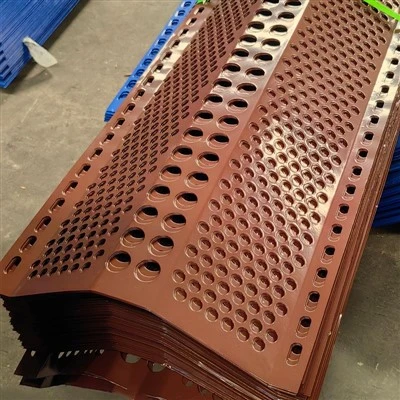
It’s a fair question, honestly. When you’re trying to make choices that don’t feel like you’re trading one environmental headache for another, it’s easy to second-guess. I used to hear this too, back when I was just figuring out the ins and outs of the steel post game. Let’s cut through the noise – no stuffy jargon, no sales pitches, just straight-up facts I’ve dug into, plus the stuff our customers have actually tested over the years.
First off, let’s talk about the big one everyone brings up: lifespan. Traditional windbreak posts – like wood, say? The average pressure-treated wooden post lasts, what, 10 to 15 years, max? Maybe 20 if you really baby it and treat it every couple years. Vinyl posts? They hold up around the same, but let’s not forget – vinyl’s plastic, so when it does go, it’s not exactly easy to break down. Our windbreak steel posts? We use heavy-duty galvanized steel, right? That stuff’s built to stand up to rain, snow, extreme temps, even the occasional deer ramming your fence (we’ve heard that a lot). Most of our posts are still going strong after 25, 30 years, some even longer.
Wait, I know what you’re thinking: steel rusts, right? Yeah, if you skimp on the coating. But our galvanization process – we dip the posts in molten zinc, so it’s not just a thin paint job. That zinc forms a barrier against moisture and corrosion. We’ve had a few customers who’ve had posts on their windbreaks since 1998, and they still look almost new. Compare that to a wooden post from 1998 that’s probably rotted out or been replaced twice already. When you factor in replacement frequency, you’re not buying 3 or 4 sets of posts over a lifetime – just one (or maybe two, if you somehow manage to crash one into a tree). That cuts down on all the extra material, transportation, and waste that comes from constant replacements. Way less footprints there.
Now, let’s get to the materials themselves. Traditional wood posts – especially pressure-treated ones – have chemicals in them, right? Stuff like copper naphthenate or chromated copper arsenate (CCA) to keep bugs and rot away. Those chemicals can leach into the soil over time, especially if you’re running a farm or a garden right there. I’ve had a vegetable grower tell me last year he switched from wood posts because he was worried the chemicals were getting into his soil and, in turn, his crops. Our steel posts don’t have any of that. Nothing leaches – it’s just zinc and steel, both super inert. Safe for plants, safe for wildlife, even safe if a curious kid or pet gets close to ’em.
What about vinyl? Vinyl’s petroleum-based, so when you make it, you’re burning through fossil fuels, and when it’s discarded, it’s not recyclable in most places. A lot of landfills don’t take vinyl because it breaks down into microplastics that stick around for hundreds of years. Our steel posts? Steel is the most recycled material on the planet, hands down. I don’t just say that – the numbers back it up. When a steel post reaches the end of its life (and that’s a long time), you can melt it down and make new steel posts, cars, whatever, without losing any of its quality. We even have a take-back program for old posts – customers drop ’em off at our yard, and we send ’em to a recycler. Last year, we recycled over 12,000 posts that way. That’s 12,000 posts that didn’t end up in a landfill, and 12,000 new things we could make without pulling fresh metal out of the ground.
I know some folks will counter with: “Wait, steel production is super energy-intensive, right?” Yeah, it used to be – back in the day, steel mills burned a ton of coal. But these days? Most modern steel mills (including the ones we work with) are switching to electric arc furnaces (EAFs), which run on renewable energy in a lot of cases. EAFs use way less energy than the old blast furnaces – like 75% less, I’ve read. Plus, since we’re using recycled steel for almost all our posts (we source over 90% recycled), we skip the energy-heavy step of mining iron ore and turning it into raw steel. That cuts down the carbon footprint of our posts a lot compared to new steel. Let me put that in perspective: a ton of recycled steel saves about 2,500 pounds of coal, 140 gallons of oil, and 75 cubic feet of landfill space. That’s not small potatoes.
Let’s also talk about transportation. Our windbreak steel posts are lightweight for how strong they are, but wait – no, wait, they’re actually way lighter than wooden posts of the same strength. A standard 8-foot wooden post is like 15 pounds, right? Our galvanized steel 8-foot post is around 10 pounds. That means when we ship them, we can fit more on a truck, so fewer trips, less fuel burned, lower emissions. Compare that to vinyl – it’s bulky, and it’s not as strong, so you need more posts to hold up your windbreak, which means more materials, more shipping, more everything.
I’ve heard a few myths floating around too, so let’s bust ’em. First: “Steel posts are bad for pollinators.” No way. Our posts are smooth, no sharp edges, we don’t coat them with anything that would hurt bees or butterflies. The windbreak itself – which the posts support – is a habitat for pollinators, and the posts don’t interfere with that at all. Second: “You can’t use steel posts with existing fencing.” Total lie. We make our posts with adapters that work with all the common fencing types – wire, netting, even wood slats. Customers tell us all the time they’ve swapped out just their old wooden posts for ours and kept their existing fencing, no problem.
But wait, let’s be real – it’s not all perfect. No material is. Steel posts cost a little more upfront than wood or vinyl, I’m not gonna hide that. But when you do the math over 20 or 30 years? You’re not buying posts every 10 years, so the total cost is way lower. Plus, a lot of states offer tax breaks for using recycled materials or upgrading farm infrastructure that cuts down on the cost, too. I’ve seen customers save hundreds over time by going with steel.
Another thing: waste on installation. When you install wooden posts, you often have leftover offcuts that can’t be used for anything else, especially if they’re pressure-treated. With steel posts, the offcuts are all recycled – we even let customers bring their offcuts back for recycling, no charge. No leftover treated wood chunks rotting in your burn pile (which, by the way, burning pressure-treated wood releases those chemicals into the air – another big no-no).
Let me share a quick customer story to put this in perspective. A farmer named Tom in Iowa reached out to me last year. He’d been using wooden posts for his shelterbelts for 20 years, and he’d replaced his posts 3 times already. He told me he was spending about $1,800 every 10 years on posts, plus the cost of disposing of the old ones (which wasn’t cheap, since the landfill near him charges extra for treated wood). We quoted him for steel posts: upfront cost was $2,200, but 5 years later, he sent me a message saying he’d already saved $1,200 in not buying new posts, and he didn’t have to pay the landfill fees anymore. Plus, his soil tests from last month showed no traces of the old wood chemicals – that was his biggest win, he said, since he’s got a herd of goats and a vegetable garden right next to the windbreak.
So, to wrap this up: are windbreak steel posts more environmentally friendly than traditional wood or vinyl? From what we’ve seen, from the data, from the customers who’ve made the switch? Yeah, they are. Less replacement waste, no harmful chemicals, super recyclable, lower transportation emissions, and a longer lifespan that means way less material going to landfills.

But I don’t want you to just take my word for it. If you’re a farmer, landscaper, or anyone who needs windbreak posts, we’ve got samples you can test out for yourself – stick one in the ground, see how it holds up, check if it works with your existing fencing. We’re not here to push a product; we’re here to help people make choices that are good for their land and good for the planet. If you’ve got questions, want to talk numbers, or just wanna bounce ideas off someone who’s been in the game for years, hit us up to discuss your specific needs. We’re always here to help.
Commercial Fencing References
- American Iron and Steel Institute. (2022). Steel Recycling Statistics and Environmental Impact.
- USDA Natural Resources Conservation Service. (2021). Pressure-Treated Wood Environmental Considerations.
- Environmental Protection Agency. (2023). Vinyl and Other Plastic Landfill Diversion Data.
- Steel Manufacturers Association. (2022). Energy Efficiency in Modern Steel Production.
- Midwest Agriculture Landscaping Association. (2021). Windbreak Post Lifespan and Cost Analysis.
Anping County Chengrun Metal Products Co., Ltd.
With abundant experience, we are one of the most professional windbreak steel posts manufacturers and suppliers in China. Please feel free to buy premium windbreak steel posts for sale here from our factory. All customized metal products are with high quality and competitive price.
Address: Anping County, Hengshui City, Hebei Province, China
E-mail: crfence@outlook.com
WebSite: https://www.chengrunfence.com/
