If you’ve ever stared at that rusty metal tank in your backyard or industrial lot and wondered, “Is this thing gonna kick the bucket before I can get a new one?” — you’re not alone. As a tank supplier, I talk to folks every single week who put off checking their oil tanks because they think it’s just a “wait and see” game, only to end up with a messy, costly leak (and way more stress than if they’d planned ahead). The truth is, determining if your oil tank needs replacing isn’t rocket science — you just need to know the red flags, the hard numbers to check, and the difference between a quick fix and a full swap. Let’s break this down like we’re chatting over a coffee, no boring jargon promise. Oil Tank

First off, let’s start with the basics: how old is your tank? I don’t care if it’s a tiny above-ground residential model or a big underground industrial one — age is the biggest predictor of when you’ll need a replacement. Most tanks have a life expectancy that’s non-negotiable, if you follow industry data. For above-ground tanks (the ones you can see in your yard, garage, or business’s exterior), the sweet spot is usually 15 to 20 years. Underground tanks? Well, they’re hidden, so people forget about ’em, but their lifespan is way shorter — just 10 to 15 years, tops. Why the difference? Underground tanks are exposed to constant moisture, soil corrosion, and shifting ground, which eats away at metal way faster than above-ground models. If your tank is pushing those numbers, don’t wait for a leak to happen — book a checkup stat. I’ve seen way too many customers put off a 12-year underground tank, only to have a pinhole leak that seeped into their soil, cost them thousands in environmental remediation, and left them without heat in the middle of winter. That’s not a risk worth taking, fr.
Next up: the visual checks that’ll save you so much headache. You don’t need a fancy tool to do most of these — just a pair of glasses and a little time. Let’s start with above-ground tanks, since they’re easy to access. Walk all the way around it, no shortcuts. Look for rust patches that are bigger than a quarter — small surface rust is normal, but if you see flaky, bubbling rust that’s eating through the metal (not just sitting on top), that’s a problem. Rust is just the metal oxidizing, but bubbling means water’s gotten under the rust layer and is dissolving the steel from the inside out. Also, check the base: if the ground under or around the tank is discolored (like dark, oily stains that won’t wipe away) or feels mushy when you step on it, that’s a leak. Even a tiny, slow leak will leave those marks over time, and if you’re smelling fuel near the tank? That’s an obvious sign — don’t ignore that. Fuel fumes are not something to mess with; they’re flammable, and prolonged exposure is bad for your health too.
For underground tanks, visual checks are trickier, but there are still clues. You might notice puddles of oily water in your sump pump pit (that’s the hole where water collects in your basement, for anyone who doesn’t know) even when it hasn’t rained. Or if you have a moisture meter for your basement walls, dip it near the tank’s entry point — if the readings are way higher than normal, that could mean a leak seeped through the foundation. Another big one: if you’re regularly topping off your tank but your fuel usage doesn’t make sense (like you use half a tank in a week when you’ve kept your thermostat the same all winter), that’s a sign you’ve got a leak. That’s a tough one to spot, so if you’re seeing odd fuel bill spikes without a change in usage, call a pro to test for leaks.
Now, the structural checks — these are the ones that’ll tell you if your tank is sound enough to keep going, or if it’s time to swap. For above-ground tanks, start with the top and bottom seams. Seams are the weakest part of any tank; they’re where two pieces of metal are welded together, and over time, vibration from a furnace or expansion/contraction from temperature changes can cause cracks. Run your fingers along the seams (gently, don’t cut yourself) — if you feel gaps, bumps, or drips, that’s a no-go. Also, check the tank’s legs or supports: if they’re bent, rusted through, or the tank is leaning to one side, that means the structure’s compromised. A leaning tank can shift, putting extra stress on seams and leading to leaks or even collapse.
For underground tanks, a quick pressure test can tell you a lot. A pro will attach a gauge to the tank’s fill and vent lines, pressurize it slightly, and check if the pressure holds. If it drops, that means there’s a leak — and underground leaks are way harder to fix than above-ground ones. Most of the time, if an underground tank is leaking, the only safe option is replacement, because patching a pinhole in a tank that’s already 12 years old often leads to another leak within a year. I’ve had customers patch a 14-year-old tank, only to have a bigger leak three months later that cost them way more than a replacement would’ve.
Wait, what about tanks with fiberglass liners? A lot of people think fiberglass tanks are indestructible, but they’re not. Even fiberglass can get damaged by harsh chemicals, improper installation, or ground movement. Check for cracks in the liner, especially around the fill and vent openings, and if you see any signs of delamination (where the layers of fiberglass start to pull apart), that’s a red flag. Delamination creates tiny gaps where fuel can seep through, and it’s super hard to spot until a leak happens — so if your tank is fiberglass and over 20 years old, get it inspected every 3 years, no exceptions.
Another thing I see way too often: tanks that are too small for their current usage. I know, this isn’t a “wear and tear” issue, but it’s a huge reason people end up replacing tanks early. If you’ve renovated your home, added a new furnace, or run a business that uses way more fuel than it did when you installed the tank, a tank that’s too small will cycle on and off nonstop. That constant cycling wears out the tank’s internal components (like the fuel pump or filter) way faster, and it also means you’re constantly refueling, which is a hassle. Plus, a tank that’s overworked is more prone to leaks because of the pressure from frequent fills. If you’re going through 500 gallons a week and your tank is only 300 gallons, it’s time to upgrade — don’t wait for a breakdown.
Now, let’s talk about what’s a quick fix vs. a replacement. I’m not here to push you to buy a new tank every time you see a little rust — some issues are totally manageable. Small surface rust? Sand it down, paint it with high-temperature metal primer, and you’re good to go. A loose seam? A pro can re-weld it for a few hundred bucks, way cheaper than a replacement. But if you hit any of these points, replacement is non-negotiable: your tank is over 20 years old (above-ground) or over 15 (underground), you’ve had two or more leaks in the last 5 years, the tank is leaning or has structural damage, fuel is seeping into your soil or basement, or you’ve noticed significant delamination or cracks in a fiberglass tank. Those are the times when a replacement is the smartest, safest call.
Wait, let’s get real about the cost. A lot of people put off replacing because they think it’s super expensive, but let’s crunch the numbers (no boring spreadsheets, I promise). A new above-ground tank runs from $1,500 to $3,000 for the unit plus installation, which is way less than the $5,000 to $10,000 you’ll pay for environmental cleanup from a leak. Underground tanks? They’re pricier upfront — $3,000 to $7,000 — but again, that’s nothing compared to the fines and remediation costs if a leak gets into the groundwater. Also, many insurance companies give discounts for newer tanks, because they’re less likely to leak. So that new tank pays for itself over time with lower bills and less stress.
Now, let’s wrap this up with a little honesty. I get it — dealing with a tank is a hassle. It’s an extra expense you didn’t plan for, it’s a project you have to coordinate, and it’s easy to put off until “next month” or “after winter.” But here’s the thing: the worst time to deal with a tank replacement is when you’re freezing because your furnace died, or when environmental inspectors are knocking on your door because of a leak. That’s not a position anyone wants to be in.
If you’re at all unsure about your tank — if you can’t remember when it was installed, or you’ve noticed those dark oily stains, or your fuel bills are spiking for no reason — don’t guess. Reach out to us, and we can help you schedule an inspection. We’ll come out, check your tank for free (okay, no, wait — we do a basic assessment for a small fee, but it’s way cheaper than the alternative), tell you exactly what’s going on, and walk you through your options. Whether you need a quick repair or a full replacement, we’ve got you covered with tanks that fit every budget and space — from tiny residential above-ground models to large underground industrial tanks.
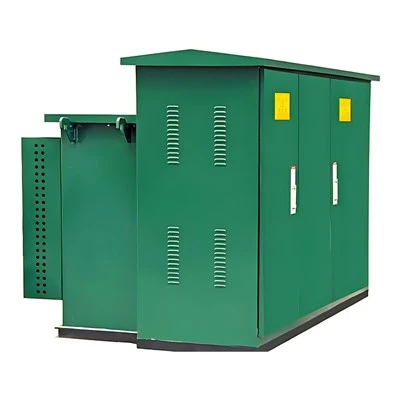
Special Transformer At the end of the day, your tank is one of those silent workhorses that keeps your home warm, your business running, and your life moving. You don’t want it to fail without warning. So take 10 minutes this weekend to do a quick visual check, or give us a shout if you need peace of mind. We’re here to make this as easy and stress-free as possible, because we know you’ve got enough going on.
References
- National Fire Protection Association (NFPA). "Standard for the Storage of Flammable and Combustible Liquids." NFPA 30, 2021.
- Environmental Protection Agency (EPA). "Underground Storage Tank Replacement Guidance." U.S. EPA, 2022.
- North American Oil Tank Cleaning & Repair Association (NAOTCA). "Above-Ground Oil Tank Lifespan & Replacement Guidelines." NAOTCA, 2023.
- American Society of Mechanical Engineers (ASME). "Steel Tank Design Standards for Residential and Commercial Use." ASME BPVC Section VIII, 2022.
- Insurance Information Institute (III). "Homeowner’s Insurance Discounts for Upgraded Heating Systems." III, 2024.
Jiangsu Yuantong Electric Co., Ltd.
As one of the most professional oil tank manufacturers and suppliers in China, we also support customized service. We warmly welcome you to wholesale bulk oil tank for sale here from our factory. For more information, contact us now.
Address: No.68 Xiyuan Avenue, Hai’an Industrial Park, Hai’an City, Jiangsu Province, China
E-mail: aaron@jsytelectric.com
WebSite: https://www.yuantongtransformer.com/
