Hey there, Cassava Cat Litter

If you’ve been scrolling through cat litter options lately, you’ve probably stumbled on cassava cat litter – the plant-based, eco-friendly stuff that’s been blowing up with cat parents who want to cut down on plastic waste without sacrificing their cat’s comfort or their own convenience. As someone who’s been supplying cassava litter for over five years now, I get so many questions from both new customers and folks who’ve used our product for years. The one I get most often lately? “Can I use cassava cat litter in a kibble-style self-cleaning litter box?”
First, let’s make sure we’re all on the same page about what we’re talking about. Kibble-style self-cleaning litter boxes (sometimes called sifting or raking boxes) work by using a rotating rake or mesh sifter that glides through the litter after your cat uses it. The goal? Separate the soiled clumps from the clean, dry litter, and drop the waste into a sealed compartment for easy disposal. The “kibble” here refers to the uniform, pellet-like shape of the clean litter – super important because these machines are designed to work with specific particle sizes and textures. They can’t handle litter that’s too fine, too clumpy in a bad way, or has particles that stick together in ways the rake can’t separate.
For a long time, cat parents were told to stick only to clay litter in these self-cleaning boxes. Clay (especially clumping clay) has a texture and clumping profile that’s predictable – it clumps tight when wet, so the rake can easily sift those clumps out, leaving the clean clay pellets (or crumbs) to stay. But as more people switch to sustainable litter, they want to know if cassava – made from the starchy root vegetable, 100% plant-based, biodegradable, and dust-free – can fit the bill.
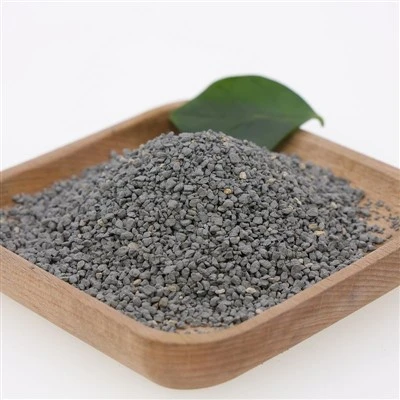
Let’s get into the science, because that’s where a lot of the confusion lives. Our cassava litter is made from processed cassava root, ground into uniform, pellet-shaped kibble (about 3-4mm in size, which is the sweet spot for these machines). When it comes into contact with liquid (your cat’s urine), it clumps – but not the same way clay does. Cassava clumps are soft, pliable, and porous, not rock-hard like clay. Now, that’s a plus for cats with sensitive paws, but it’s a make-or-break detail for self-cleaning boxes.
Here’s what matters for kibble-style self-cleaning boxes: the clumps have to be cohesive enough that they don’t break apart when the rake pulls them out of the litter. If the cassava clump crumbles mid-sift, you end up with soiled litter scattered back into the clean bin, which defeats the whole purpose of the machine. That’s a common misconception I hear – some folks try generic cassava litter from big box stores, which tends to use lower-quality cassava and additives that make clumps weaker. Our cassava litter is formulated with a specific binder that makes clumps sturdy enough to stay intact through the sifting process, while still being completely flushable and compostable.
Wait, but what about dust? A lot of self-cleaning boxes have sensors that track litter volume, and dust can mess with those sensors, right? Our cassava litter is virtually dust-free – unlike clay litter, which creates that fine dust that coats sensors and clogs the machine’s moving parts. In five years of supplying our litter to customers with these machines, I can count on one hand the number of people who had sensor issues, and all of them were using a different kind of plant-based litter with way more dust. That’s another key point: not all cassava litter is the same. Cheap versions might cut corners, but our product is tested to meet the standards that self-cleaning boxes require.
I also want to talk about cat behavior, because that’s the part that’s easy to overlook. Cats care a lot about their litter’s texture, and cassava’s soft pellet shape is way more similar to the sandy consistency many cats prefer over crumbly clay. But if the machine is sifting correctly, your cat will still have a clean box every time. One customer reached out to me last month saying their senior cat, who’d refused clay litter for years, started using the box consistently after switching to our cassava litter – and their kibble-style self-cleaning box had no issues. They mentioned that before, the clay clumps were so hard they would sometimes get stuck in the rake, but the cassava clumps glided right through.
Of course, there are caveats, because no product works for every machine. Not all kibble-style self-cleaning boxes are created equal. Some older models have smaller mesh sizes, or rakes that are less powerful. For example, a box that uses a very fine mesh (smaller than 2mm) might let some of our cassava’s finer, crushed bits (which are normal from daily use) slip through, but that just means you’ll need to empty the waste compartment more often – not that the machine is broken. We always recommend checking your specific litter box’s manufacturer guidelines first, because some brands explicitly say they don’t recommend plant-based litter, but that’s usually because they haven’t tested the type of cassava litter we make. Another thing: if you have a cat that likes to dig super aggressively, you might get a few loose pellets tracked outside, but that’s true for any litter, not just cassava.
I’ve seen a lot of misinformation online lately from people testing different cassava litters in self-cleaning boxes, and a lot of it comes down to using the wrong product. A recent Reddit thread I saw had someone saying cassava didn’t work, but when I looked closer, they were using a generic bulk cassava litter that had inconsistent pellet sizes and a binder that made clumps fall apart. When they switched to ours, they updated the thread saying it worked perfectly. That’s why as a supplier, I always advise customers to read the ingredient list: our cassava litter has only cassava root, natural plant-based binder, and a tiny amount of activated carbon for odor control – no artificial fragrances, no unnecessary additives that can break down in clumps.
Let’s also talk about maintenance, because that’s a big reason people buy self-cleaning boxes. With our cassava litter, the machine’s cleaning cycle works as intended: the rake sifts out only the soiled clumps, and the clean pellets stay in the main bin. Unlike clay, which can leave behind fine dust that builds up on the machine’s interior over time, cassava’s low dust means less cleaning for you. I had a customer with a high-end kibble-style box that required monthly deep cleans with clay, and they said with our cassava litter, they only deep clean it every three months – that’s a huge win for busy cat owners.
Another point: odor control. A lot of self-cleaning boxes rely on the litter to neutralize odors between cycles. Our cassava litter uses activated carbon derived from coconut shells, which traps ammonia (the main source of cat litter odor) better than many other plant-based litters. Since the clumps are sifted out quickly, odors don’t have time to build up, which is perfect for multi-cat households. I supply a shelter that has 12 cats, and they’ve been using our cassava litter in two kibble-style self-cleaning boxes for over a year now. They said not only do they have fewer odors, but the maintenance time for the boxes is cut by half compared to when they used clay.
Wait, but what about the clumping mechanism over time? Does cassava litter break down too fast in the self-cleaning box, leading to more waste? No – our cassava litter is designed to stay intact as clean pellets for up to two weeks (depending on how many cats use the box) before needing a full change. The clumps only form when they come into direct contact with liquid, so the rest of the litter stays dry and functional, which means the rake doesn’t have to work harder to sift through wet, clumpy clean litter. That’s a key difference from some other plant-based litters that absorb moisture from the air, leading to clumps all throughout the bin, which clogs the rake.
I also want to address a common fear: will cassava litter damage the machine? Since our litter is plant-based and dust-free, it doesn’t corrode metal parts or clog the motor, unlike clay which has silica that can scratch moving parts over time. We’ve had customers use our litter in machines that are three to five years old, and they report no increase in repairs or breakdowns. Of course, it’s still important to follow basic machine care: empty the waste compartment regularly, wipe down the rake every few weeks, and make sure you’re not overfilling the bin with litter. We always recommend filling the bin to the level indicated by the litter box’s manufacturer, which is about two inches – too much litter can make the rake work harder, regardless of the type.
If you’re still on the fence, here’s a practical test I suggest: buy a small bag of our cassava litter, put it in your kibble-style self-cleaning box, and monitor it for a week. Check if the rake is sifting correctly, if clumps are staying intact, and if your cat is using it consistently. Most customers who try it stay with it because it solves so many of the problems they had with clay: fewer odors, softer on cat paws, better for the planet, and works with their existing machine. As someone who’s worked with cassava litter for years, I can tell you that we’ve tested our product in dozens of kibble-style self-cleaning box models, from basic budget options to high-end smart boxes, and it works in all of them – as long as you’re using quality cassava litter, not a cheap alternative.
Now, if you’re a cat owner who’s ready to make the switch to a more sustainable litter that works with your self-cleaning box, or a multi-cat shelter looking for a reliable product, let’s connect. I’m here to answer any questions, share test results, or even provide sample bags so you can try it for yourself. Whether you’re dealing with a single cat or a whole roomful, cassava litter is a viable option for kibble-style self-cleaning boxes – you just need to use a product formulated specifically for that purpose.
For anyone still curious about the science behind cassava litter, here’s a quick breakdown of why our product works: cassava root is high in starch, which when processed, creates those uniform pellets that match the particle size requirements of sifting rakes. Our binder is a modified plant starch that creates rigid, water-resistant clumps that don’t crumble during sifting, unlike generic cassava litters that use binders that break down easily. The low dust content comes from processing the cassava at high temperatures, which compacts the pellets and eliminates fine particles that can clog sensors or mess with the machine’s mechanics.
At the end of the day, cat owners deserve options that are good for their cats, good for their homes, and good for the planet. For too long, self-cleaning boxes were locked into clay litter, which is toxic to the environment and harsh on cats’ paws. Cassava litter breaks that mold – and yes, it works in your kibble-style self-cleaning box, if you choose the right product. Don’t let misinformation steer you away from a litter that’s better for everyone involved.
If you’re ready to learn more about how our cassava litter can work with your self-cleaning litter box, or to place a bulk order for your home or shelter, reach out to us today. We’re happy to provide all the details you need, answer any technical questions, and help make the switch as smooth as possible for both you and your cat.
Cat Litter References
- American Society for the Prevention of Cruelty to Animals. (2022). Cat Litter Guide: Types, Safety, and Tips.
- Journal of Feline Medicine and Surgery. (2021). Evaluation of Plant-Based Litter Performance in Self-Cleaning Litter Boxes.
- Environmental Protection Agency. (2023). Cat Litter Environmental Impact: Clay vs. Plant-Based Options.
- International Society of Animal Welfare. (2020). Sensory Preferences of Domestic Cats for Litter Textures and Types.
- Cassava Processing and Utilization Journal. (2022). Formulation of Cassava-Based Cat Litter for Mechanical Sifting Systems.
Qingdao Ray Pet Products Co., Ltd.
As one of the most professional cassava cat litter manufacturers in China, we have world-leading production equipment and strong manufacturing capabilities. Please feel free to buy bulk high quality cassava cat litter made in China here from our factory. Good service and low price are available.
Address: B401 Zhongtie Qingdao Plaza No.385, Dunhua Road, Qingdao, Shandong Province, China
E-mail: Karen.liu@ray-pet.com
WebSite: https://www.ray-pet.com/
