Hey folks! I’m someone who’s deep into the world of N-Type TOPCon solar panels. I run a supplier business, and let me tell you, it’s been one wild ride exploring the ins and outs of these amazing energy – harvesting devices. Today, I wanna chat about how the impedance of N-Type TOPCon solar panels impacts the overall system efficiency. N-Type TOPCon Solar Panels
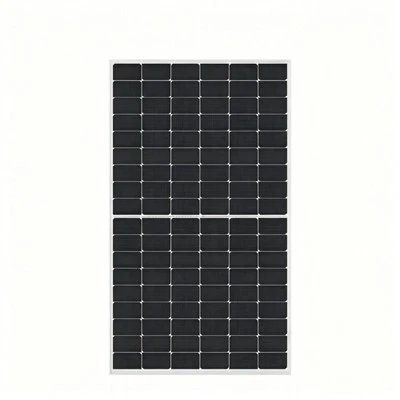
First things first, let’s get a basic understanding of what impedance is in the context of solar panels. Impedance is a measure of the opposition that a circuit presents to the flow of alternating current. In a solar panel system, it’s a combination of resistance, inductance, and capacitance. You can think of it as a kind of "traffic jam" for the electrical current. If the impedance is too high, it’s like having a really narrow road where the current can’t flow smoothly.
For N-Type TOPCon solar panels, impedance plays a super crucial role. These panels are known for their high efficiency and excellent power output, but that can all go down the drain if the impedance isn’t managed right.
One of the key factors that affect the impedance of N-Type TOPCon solar panels is the temperature. Just like us, solar panels don’t perform at their best when it gets too hot. When the temperature rises, the resistance within the panel increases. This, in turn, raises the impedance. And as the impedance goes up, the efficiency of the panel starts to drop. You see, the electrical current generated by the panel has a harder time getting out and into the system because of the increased opposition.
Let’s say you’ve installed a bunch of N-Type TOPCon panels in a sunny, hot area. During the peak of the day, when the sun is shining brightest and the temperature is soaring, the impedance of the panels can skyrocket. This means that even though there’s a ton of sunlight hitting the panels, they’re not able to convert all that energy into useful electricity as efficiently as they could at a cooler temperature.
Another important aspect is the wiring in the solar panel system. The length and thickness of the wires can have a significant impact on impedance. If you use really long, thin wires to connect your N-Type TOPCon panels to the inverter or other components of the system, it’s like adding more obstacles to the flow of electricity. The longer the wire, the higher the resistance, which contributes to an increase in impedance.
For instance, I once had a client who installed a large solar panel system on their farm. They used some old, thin wires that were lying around the property to connect the panels. At first, everything seemed to be working fine, but as time went on, they noticed that the power output of the system was lower than expected. When we checked it out, we found that the high impedance caused by the poor – quality wiring was the culprit.
The quality of the electrical contacts within the panels also affects impedance. In N-Type TOPCon panels, there are numerous electrical connections that allow the current to flow through various layers of the panel. If these contacts are corroded, loose, or not properly made, it can create areas of high resistance. This, as you’ve probably guessed by now, increases the impedance and reduces the system’s efficiency.
I remember a project where we had to replace some of the electrical contacts in a batch of panels. The initial installation was done in a hurry, and some of the connections weren’t tightened properly. As a result, the panels were experiencing higher impedance than normal, and the system efficiency took a nosedive. Once we fixed the contacts, the impedance dropped, and the system started performing much better.
Now, how does all this impedance stuff translate into system efficiency? Well, system efficiency is all about how well the entire solar panel setup can convert sunlight into usable electricity. When the impedance of N-Type TOPCon panels is high, less of the electrical energy generated by the panels can be transferred to the rest of the system. This means that you’re losing out on potential power production.
Imagine your solar panel system as a well – oiled machine. Each component, including the panels, wires, and inverter, needs to work together seamlessly. But if the impedance in the panels is too high, it’s like having a clogged part in that machine. The whole system has to work harder to get the same amount of output, and in many cases, it can’t even reach its full potential.
Let’s talk about how we can manage impedance to boost system efficiency. Firstly, we need to pay close attention to the installation process. Using high – quality wiring is a must. Opt for thicker wires that have lower resistance. And make sure the wires are of an appropriate length for the system.
We also need to ensure that the electrical contacts within the panels are made correctly during manufacturing and installation. This means using proper soldering techniques and making sure all connections are tight and free from corrosion.
Temperature management is another crucial factor. In areas with high temperatures, we can consider using cooling systems for the panels. For example, some advanced solar panel setups use water – based cooling systems that can keep the panels at a more optimal temperature, reducing the impedance and increasing efficiency.
As a supplier of N-Type TOPCon solar panels, I’m always looking for ways to help my customers get the most out of their systems. I work closely with them during the planning and installation phases to make sure that impedance is kept in check.
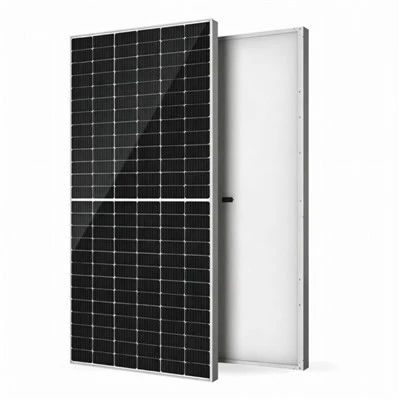
If you’re in the market for N-Type TOPCon solar panels and want to ensure that your system operates at peak efficiency, don’t hesitate to reach out. Whether you’re a homeowner looking to go solar or a business owner planning a large – scale solar project, we’ve got the expertise and the high – quality panels to meet your needs. Let’s start a conversation about how we can work together to create an efficient and sustainable solar energy solution for you.
Solar Panels References:
- "Solar Photovoltaic Technology: Principles, Systems, and Practice" by V Subramanian
- Industry whitepapers on N-Type TOPCon solar panel technology from leading research institutions
Dongguan MylAn International Trade Co., Ltd.
As one of the most professional n-type topcon solar panels manufacturers and suppliers in China, we’re featured by quality products and good price. Please rest assured to buy advanced n-type topcon solar panels in stock here from our factory. Welcome to contact us for pricelist.
Address: Room 401, Building 5, No.7, Machong Section, Shuixiang Avenue, Machong Town, Dongguan City, Guangdong Province
E-mail: salee@mylansolar.com
WebSite: https://www.mylansolar.com/
