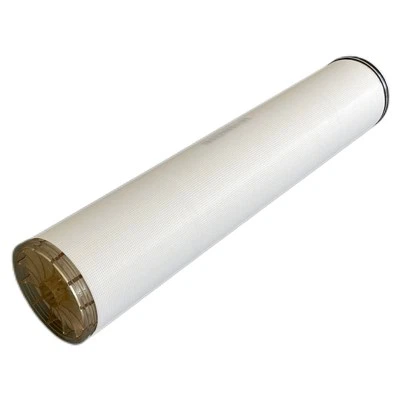
As a supplier of Hollow Fiber Ultrafiltration Membranes, I’ve witnessed firsthand the critical role membrane thickness plays in determining the performance of these remarkable filtration tools. In this blog, I’ll delve into the science behind how membrane thickness impacts various aspects of the performance of Hollow Fiber Ultrafiltration Membranes, from flux rate and rejection rate to fouling resistance and mechanical strength. Hollow Fiber Ultrafiltration Membrane
Flux Rate: The Flow of Filtration
One of the primary performance indicators of a Hollow Fiber Ultrafiltration Membrane is its flux rate, which refers to the volume of permeate that passes through the membrane per unit area and time under specific operating conditions. Membrane thickness has a direct influence on flux rate. Thinner membranes generally offer higher flux rates. This is because a thinner membrane presents less resistance to the passage of fluid. With a reduced thickness, the path that the fluid molecules must travel through the membrane is shorter, allowing them to pass more easily.
For instance, in applications where a large volume of water needs to be treated quickly, such as in municipal water treatment plants, thinner membranes can significantly enhance the efficiency of the filtration process. However, it’s important to note that while thinner membranes can provide higher initial flux rates, they may also be more prone to fouling and mechanical damage.
Rejection Rate: Keeping Impurities at Bay
The rejection rate of a Hollow Fiber Ultrafiltration Membrane is another crucial performance parameter. It measures the membrane’s ability to retain specific substances, such as suspended solids, bacteria, and macromolecules, while allowing the passage of water and small solutes. Membrane thickness can affect the rejection rate in a somewhat complex manner.
Thicker membranes often have a higher rejection rate for larger particles and macromolecules. The increased thickness provides more opportunities for the membrane to capture and retain these substances as they pass through. The tortuous path created by the thicker matrix of the membrane increases the likelihood of contact between the particles and the membrane surface, leading to better rejection.
However, for very small solutes, the relationship may not be as straightforward. In some cases, a slightly thinner membrane with well – engineered pore structure can achieve a comparable rejection rate with less impact on the flux rate. For example, in the pharmaceutical industry, where the filtration process needs to retain specific small – molecule impurities while allowing the passage of the desired product, the choice of membrane thickness becomes a delicate balance.
Fouling Resistance: Prolonging Membrane Life
Fouling is a major challenge in membrane filtration systems, as it can significantly reduce the performance and lifespan of the membranes. Membrane thickness can influence fouling resistance in different ways.
Thicker membranes can have better fouling resistance in some situations. The additional thickness provides a buffer zone where fouling agents can accumulate without immediately blocking the pores on the surface. This can extend the time between cleaning cycles and reduce the overall impact of fouling on the membrane performance.
On the other hand, thinner membranes may be more sensitive to fouling because any accumulation of fouling agents on the surface can quickly block the pores and reduce the flux rate. However, if the fouling mechanism is mainly based on surface deposition, and the membrane surface is properly modified, thinner membranes can still maintain acceptable fouling resistance. For example, in the food and beverage industry, where the fouling agents are often organic matter, proper surface treatment of thinner membranes can help prevent fouling and maintain stable performance.
Mechanical Strength: Withstanding the Pressure
The mechanical strength of a Hollow Fiber Ultrafiltration Membrane is essential for its long – term operation, especially in applications where the membrane is subjected to high pressure or shear forces. Membrane thickness is closely related to mechanical strength.
Thicker membranes generally have higher mechanical strength. The additional material provides more structural integrity, allowing the membrane to withstand greater pressure and stress without breaking or deforming. This is particularly important in applications such as reverse osmosis pre – treatment, where the membranes are exposed to relatively high pressures.
In contrast, thinner membranes may have lower mechanical strength. While they offer advantages in terms of flux rate, they need to be carefully designed and supported to prevent mechanical failure. In some cases, reinforcement structures or protective layers can be added to thinner membranes to improve their mechanical properties and make them suitable for more demanding applications.
Case Studies: Real – World Applications
To illustrate the impact of membrane thickness on performance, let’s look at some real – world applications.
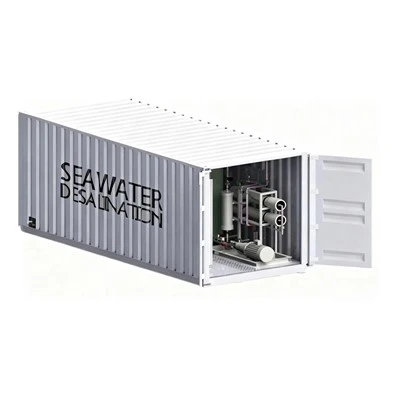
In a seawater desalination pre – treatment project, the use of thicker Hollow Fiber Ultrafiltration Membranes was found to be beneficial. The high mechanical strength of the thicker membranes allowed them to withstand the relatively high pressure in the pre – treatment process. Additionally, their better fouling resistance and rejection rate helped to protect the reverse osmosis membranes downstream, reducing the frequency of membrane cleaning and replacement in the overall desalination system.
In a laboratory – scale protein purification process, thinner membranes were preferred. The high flux rate of the thinner membranes enabled a faster separation process, which was crucial for maintaining the activity of the proteins. The well – controlled pore structure of the thinner membranes also provided a good rejection rate for unwanted impurities, ensuring the purity of the final protein product.
Choosing the Right Membrane Thickness
Selecting the appropriate membrane thickness depends on a variety of factors, including the specific application requirements, the nature of the feed solution, and the operating conditions.
For applications where high flux rate and fast filtration are the top priorities, and the feed solution is relatively clean, thinner membranes may be the best choice. However, if the feed solution contains a high concentration of fouling agents or the operating conditions are harsh, thicker membranes with better mechanical strength and fouling resistance may be more suitable.
In addition, cost is also an important consideration. Thicker membranes generally require more raw materials and may be more expensive to manufacture. Therefore, a cost – benefit analysis is necessary to determine the most cost – effective membrane thickness for a particular application.
Conclusion
In conclusion, membrane thickness has a profound impact on the performance of Hollow Fiber Ultrafiltration Membranes. It affects flux rate, rejection rate, fouling resistance, and mechanical strength in different ways, and the choice of membrane thickness should be carefully considered based on the specific needs of the application.
As a supplier of Hollow Fiber Ultrafiltration Membranes, I understand the importance of providing our customers with the right membrane solutions. We offer a wide range of membrane thicknesses to meet the diverse needs of various industries. Whether you are in the water treatment, pharmaceutical, food and beverage, or any other industry that requires reliable filtration solutions, we are here to help.
Hollow Fiber Ultrafiltration Membrane If you are interested in learning more about our Hollow Fiber Ultrafiltration Membranes or would like to discuss your specific requirements, please feel free to contact us for a procurement discussion. We are committed to providing high – quality products and excellent customer service to help you achieve your filtration goals.
References
- Cheryan, M. Ultrafiltration Handbook. Technomic Publishing Co., 1986.
- Mulder, M. Basic Principles of Membrane Technology. Kluwer Academic Publishers, 1996.
- Baker, R. W. Membrane Technology and Applications. Wiley, 2004.
Hangzhou Nanoimp Environmental Technology Co., Ltd.
With abundant experience, we are one of the most professional hollow fiber ultrafiltration membrane manufacturers and suppliers in China. Welcome to wholesale high quality hollow fiber ultrafiltration membrane in stock here and get pricelist from our factory. We also accept customized orders.
Address: Road 25, Baiyang Street, Qiantang District, Hangzhou City, Zhejiang Province
E-mail: keith.wang@nano-sepmer.com
WebSite: https://www.nanoimp-membrane.com/
