Hey there! I’m a supplier of medium duty plastic pallets, and today I wanna talk about one of the most important features of these pallets: compression strength. Medium Duty Plastic Pallet
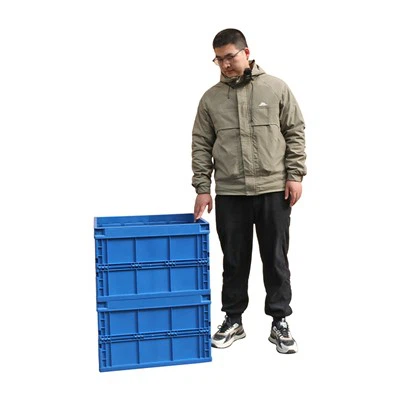
What is Compression Strength?
First off, let’s break down what compression strength actually means. Compression strength is the maximum load a pallet can handle when pressure is applied from the top. In simple terms, it tells you how much weight a pallet can hold without getting squished or damaged.
Think about it like this: when you stack a bunch of heavy boxes on a pallet, the pallet has to bear the weight of all those boxes. If the compression strength of the pallet is too low, it might start to deform, crack, or even break under the load. This can lead to all sorts of problems, like damaged goods, safety hazards in the warehouse, and extra costs for replacing the pallets.
Why Compression Strength Matters for Medium Duty Plastic Pallets
As a supplier, I know that compression strength is a big deal for our customers. Medium duty plastic pallets are used in a wide range of industries, from food and beverage to manufacturing and logistics. In these industries, pallets are often loaded with heavy products and stacked several levels high in warehouses or during transportation.
For example, in a food distribution center, pallets might be loaded with cases of canned goods or large bags of flour. These products can be pretty heavy, and the pallets need to be strong enough to support the weight without failing. If a pallet collapses under the weight of the food products, it can not only damage the goods but also create a mess in the warehouse and potentially contaminate other products.
In the manufacturing industry, pallets are used to transport and store raw materials and finished products. The compression strength of the pallets is crucial to ensure that the products are safely moved around the factory floor and stored without any issues. A weak pallet might cause the materials to shift or fall during handling, which can lead to production delays and increased costs.
Factors Affecting the Compression Strength of Medium Duty Plastic Pallets
There are several factors that can affect the compression strength of medium duty plastic pallets. Here are some of the main ones:
1. Material Quality
The type and quality of the plastic used to make the pallets play a huge role in determining their compression strength. High – quality plastics are more durable and can withstand greater pressure. We use top – notch polymers that are specifically formulated to provide excellent strength and durability. These plastics are resistant to wear and tear, chemicals, and moisture, which helps to maintain the pallet’s compression strength over time.
2. Design and Structure
The design of the pallet also matters a lot. A well – designed pallet with a strong internal structure can distribute the load more evenly, which increases its compression strength. Our medium duty plastic pallets are designed with reinforced ribs and a sturdy base. These ribs help to transfer the weight from the top of the pallet to the ground, reducing the stress on any single part of the pallet.
3. Pallet Size and Shape
The size and shape of the pallet can impact its compression strength. Generally, larger pallets may have a lower compression strength per unit area compared to smaller pallets because the load is spread over a larger surface. However, if the design is optimized, larger pallets can still handle significant weights. Our pallets come in various sizes and shapes to meet different customer needs, and we ensure that each one has an appropriate compression strength for its size.
Measuring Compression Strength
So, how do we measure the compression strength of our medium duty plastic pallets? Well, there are standard testing methods in the industry. We usually use a compression testing machine to apply a gradually increasing load to the pallet until it starts to deform or break. The maximum load that the pallet can withstand before failure is recorded as its compression strength.
The results are typically reported in pounds or kilograms. For example, a medium duty plastic pallet might have a compression strength of 5,000 pounds. This means that the pallet can handle a maximum load of 5,000 pounds when pressure is applied evenly from the top without significant deformation.
Our Medium Duty Plastic Pallets’ Compression Strength
At our company, we take pride in the compression strength of our medium duty plastic pallets. Our pallets are engineered to meet the demanding needs of our customers. We’ve built a reputation for supplying pallets that can handle heavy loads without letting our customers down.
Our standard medium duty plastic pallets have a compression strength that can range from around 3,000 to 6,000 pounds, depending on the specific design and size. This range is suitable for most common applications in different industries. But if you have special requirements, we can also customize the pallets to increase the compression strength even further.
We’ve conducted numerous tests on our pallets to ensure their performance. In one test, we stacked a large number of industrial items on our pallets and left them for an extended period. The pallets showed only minimal signs of deformation, which proves that they can maintain their strength over time under heavy loads.
Tips for Maximizing the Compression Strength of Our Pallets
Even though our medium duty plastic pallets are built tough, there are some things you can do to make the most of their compression strength:
1. Proper Loading
Make sure to load the pallets evenly. Uneven loading can put more stress on one part of the pallet, which can reduce its overall compression strength and increase the risk of failure. Spread the weight of the goods evenly across the surface of the pallet.
2. Use the Right Pallet Size
Choosing the right pallet size for your products is important. If the pallet is too small for the load, it might not be able to distribute the weight properly, leading to a higher risk of damage. On the other hand, using a pallet that is too large can be wasteful and might not provide the necessary support.
3. Regular Inspection
Check your pallets regularly for any signs of damage or wear. If you notice any cracks, chips, or other defects, it’s best to replace the pallet. Damaged pallets have a reduced compression strength and can pose a safety risk.
Conclusion
In conclusion, compression strength is a key factor when it comes to medium duty plastic pallets. It determines how much weight the pallets can hold, which is crucial for the safe and efficient transportation and storage of goods in various industries.

At our company, we’re committed to providing high – quality medium duty plastic pallets with excellent compression strength. Our pallets are made from top – quality materials, have a smart design, and are tested rigorously to ensure that they meet the highest standards.
Industrial Pallet Container If you’re in the market for medium duty plastic pallets and want to learn more about how our pallets can meet your specific needs, feel free to contact us for a discussion. We’re always happy to help you find the right pallets for your business.
References
- Plastics Industry Association. Handbook on Plastic Pallet Performance and Standards.
- ASTM International. Standard Test Methods for Compression Testing of Pallets.
Shanghai Qusheng Plastics Co., Ltd.
Address: No.85 Hengtang Road, Huaqiao Town, Kunshan City, Jiangsu Province
E-mail: Totepallet-inquiry@plastic-crate.com
WebSite: https://www.totepallet.com/
