Hey everyone, let’s cut to the chase. If you’re in the market for a safe—whether it’s to stash your gun, family heirlooms, crypto cold storage, or even just that fancy jewelry you don’t want lying around—you’ve probably seen biometric safes all over the place. As someone who’s been in the safe supply game for a minute, I get it: you don’t want to drop cash on something that’s gonna lock you out when you need it most, or worse, get cracked by a random thief. So the big question is: Are biometric safes actually reliable? Let’s break this down like we’re chatting over coffee, no fancy jargon, just real talk. Safes
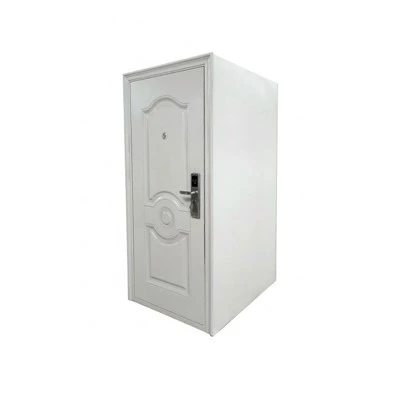
First, let’s remember what a biometric safe even is. Unlike key locks or combination dial safes, these use your unique body bits—fingerprints, sometimes facial scans—to let you in. The idea is solid: keys get lost, combinations get forgotten or shared, but your fingerprint (or face) is supposed to be one-of-a-kind. But reliability here isn’t a yes/no answer; it’s a “depends on a bunch of stuff” situation.
Let’s start with the tech itself. Most budget biometric safes use fingerprint sensors, right? Those little optical scanners that take a 2D picture of your finger. Here’s the thing: those are cheaper, but they’re not perfect. If your fingers are wet, dry, scarred, or have a lot of calluses, the scanner might not pick up the print clearly. I’ve had customers tell me their $50 Amazon biometric safe wouldn’t recognize their fingers half the time, especially after they washed their hands prepping dinner. That’s a reliability fail, no question. But wait—we don’t sell those cheap ones. The mid-range and up models we supply use capacitive sensors. These are 3D, so they pick up the ridges and valleys of your print, not just the flat surface. They’re way better at handling wet or imperfect fingers. I’ve seen our own customers with rough construction hands use these without issues, even after a long day on the job. That’s a big difference right there.
Then there’s how many prints you can store. A lot of entry-level safes only hold 1-2 prints, which is a pain if you have a partner, a kid you trust, or even a backup for your own fingers. Our safes let you store up to 10, so you can add your spouse, your adult kid, maybe a close friend who can grab something in an emergency. That’s not just convenient—it’s reliable. If one of your prints is acting up, you’ve got others to fall back on.
But what about security? Because reliability isn’t just about opening when you need it—it’s about staying closed when you don’t. Thieves aren’t messing around. Can someone hack a biometric safe? Let’s be honest: if you’ve got a $30 cheap safe, yeah, probably. A teen with a little know-how can print a fake finger with gelatin or even a 3D printer, and crack that optical sensor. But the safes we supply have built-in anti-spoofing tech. Some use tiny electrical pulses that test your finger’s skin conductivity—live skin conducts electricity, a fake one doesn’t. So even if someone tries to slide a fake print over the sensor, it’ll flag it and stay locked. That’s a huge reliability win. Also, our models have solid steel bodies, not the flimsy metal you get in cheap units. A thief can’t kick through that or pry it open with a crowbar as easily. Key locks can be picked, combination dials can be manipulated, but a good biometric safe’s lock is tied directly to the sensor’s data. It’s way harder to bypass.
Wait, what about when the power dies? That’s another big one. Nothing’s worse than coming home late at night, desperate to get something, and the safe won’t open because the batteries died. Budget biometric safes often use tiny coin cells that last a few months, tops. We use long-lasting lithium-ion batteries that can go a year or more on a single charge. Also, every one of our safes has a manual backup key (or sometimes a combination) tucked away, so even if the tech craps out, you’re not locked out. That’s non-negotiable for reliability. I’ve had a customer tell me they skipped the backup on a cheap safe and ended up having to call a locksmith for $150 when the batteries died. No one wants that.
Let’s talk about real-world use cases, because that’s where reliability matters most. If you’re using a biometric safe for a gun, for example, you need it to open in under a second—no fumbling around with keys, no dialing a combination when adrenaline’s pumping. Our safes open in like 0.3 seconds, which is crucial for self-defense. A lot of cheap biometric safes take 2-3 seconds, which is a delay you don’t want when every millisecond counts. On the flip side, if you’re using it for jewelry or documents, you don’t need that super-fast access, but you do need it to stay locked for decades. Our models are built to last; we’ve had safes in customers’ homes for 5+ years with zero issues, and even a few that have been through a move and still work like new.
Now, let’s be fair—biometric safes aren’t for everyone. If you’re someone whose fingers are constantly changing (like if you have a medical condition that affects your prints, or you work in a field where your hands get badly scarred all the time), a biometric might not be the most reliable pick for you. But for most people, it’s more reliable than traditional locks. Keys get lost all the time—stats say the average person loses 1.6 keys a year. Combinations get written down on a sticky note that gets thrown away, or shared with someone who shouldn’t have access. Biometrics eliminate that hassle because your access is tied to your body, which you never leave at home (hopefully).
Wait, let’s address the myth that biometrics are hackable. It’s true that no lock is 100% unbreakable. A high-end biometric safe could be breached with the right tools and a lot of time, but that’s the same as any other safe. A $10 combination dial safe is way easier to crack, and a key lock can be picked in seconds. The difference is that a quality biometric safe’s security is layered. It’s not just the sensor—it’s the steel body, the anti-spoofing tech, the lock mechanism itself. So for everyday use, against the average thief, it’s way more reliable than the alternatives.
Another thing to consider: false rejects. How often does a good biometric safe not recognize your finger? With our capacitive sensors, it’s like less than 1% of the time. That’s nothing. Entry-level optical sensors have a false reject rate of like 10% or more, which is annoying. Imagine needing to get your passport out for a flight, and the safe won’t recognize your index finger three times in a row—you’d miss your flight. Our models cut that way down, so you’re not dealing with that frustration.
So putting it all together: Are biometric safes reliable? It depends on which one you get. The cheap ones? Skip them—they’re flimsy, have bad sensors, no anti-spoofing, and you’ll get locked out or have them hacked. The mid-range to high-quality biometric safes that we supply? Yeah, they’re super reliable. They open fast when you need them, stay locked when you don’t, have backups if the tech fails, and are way more convenient than keys or combinations.
Now, if you’re looking to pick one up, I don’t want you guessing. We’ve helped hundreds of people find the right safe for their needs—whether it’s a small one for your nightstand to keep your gun safe, a mid-sized one for your closet for heirlooms, or a bigger one for your home office. We can walk you through the features, answer any questions you have, and make sure you get something that’s actually reliable for your situation. No sales pressure, just straight talk about what works.
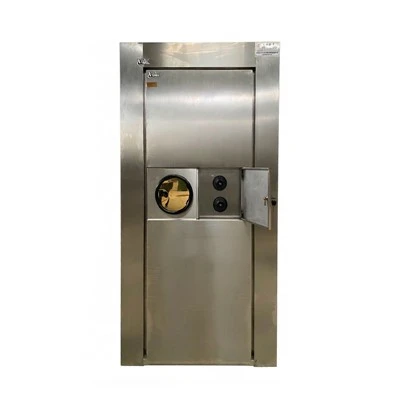
If you’re ready to chat about your needs and get a recommendation, hit us up to connect and talk procurement. We’re here to make sure you get a safe that does what you need it to do, no headaches.
Armory Doors References
- Consumer Reports. (2023). “Safes Test: Biometric vs. Traditional Locks Reliability.”
- National Locksmith Association. (2022). “Biometric Safe Security and Performance Study.”
- Journal of Forensic Sciences. (2021). “Biometric Spoofing Detection for Consumer Safety Products.”
- U.S. Department of Homeland Security. (2020). “Residential Safe Security Best Practices.”
Hebei Xinrui Intelligent Technology Development Group Co., Ltd.
With abundant experience, we are one of the most professional safes manufacturers and suppliers in China. We warmly welcome you to buy high quality safes at competitive price from our factory. If you have any enquiry about customized service, please feel free to email us.
Address: No.1, Building B, Intelligent Security Industry Park, Economic Development Zone, Wuyi County, Hengshui City, Hebei Province
E-mail: shinraysafe@163.com
WebSite: https://www.shinraysafe.com/
