When you’re gearing up for youth outdoor camp planning, the gear you choose for campers makes all the difference between a smooth, fun experience and one derailed by a broken duffel, a missing sleeping bag, or gear that’s too big to carry up a trail. For years, I’ve run an outdoor luggage company, and I’ve worked directly with camp directors, counselors, and even teens themselves to sift through what actually works for young campers—no flashy gimmicks, just practical, durable stuff that grows with them and handles everything a week (or summer) outdoors throws its way. I’ve seen too many camps send campers home with ripped bags, moldy gear because storage was bad, or luggage so heavy even a counselor had to haul it. That’s why today, I’m breaking down exactly what outdoor luggage is best for youth camps, from the stuff we stock every single camp director asks for, to the small details that make a huge difference for 12-year-olds carrying their own gear for the first time. Outdoor Luggage
First, let’s start with the basics: youth campers aren’t small adults. Their bodies aren’t done growing, their strength is limited, and their gear needs aren’t the same as what a 30-year-old hiker would use. A 2022 study from the Outdoor Industry Association surveyed 400 youth camp directors across North America, and one stat stuck with me: 68% of directors said the number one complaint they got from campers (and parents) was luggage that was too heavy or too large to manage on arrival. That’s not just a “kid being lazy” thing—carrying a 50-pound duffel for a mile from the parking lot to the cabin can lead to blisters, sore shoulders, and even the need for medical attention, which no camp wants to deal with. So the first rule for camp outdoor luggage: stick to sizes that fit youth bodies. We build all our camp-specific luggage in 25-liter, 45-liter, and 60-liter capacities. The 25-liter is perfect for day campers, or for younger campers (ages 7-10) who don’t have a lot of gear, while the 45-liter is our bestseller for most residential campers (ages 11-15), and the 60-liter is only for older teens going to backcountry camps, where they might need extra sleeping gear or group supplies. No more giant 80-liter duffels that turn into a struggle.
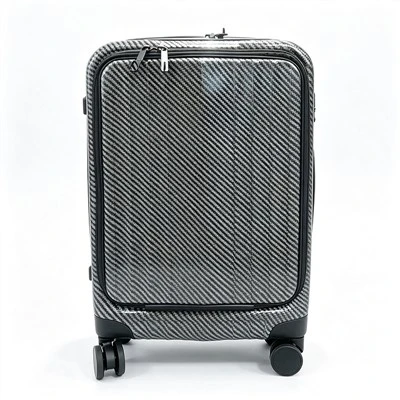
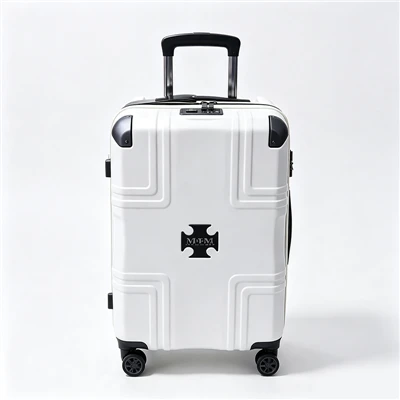
Next, the type of luggage matters a lot, and here’s where I see most camps making a mistake: they buy standard duffels or rolling suitcases, but neither is ideal for camp. Rolling suitcases seem like a no-brainer, right? Wheels mean no lifting. But most camp trails aren’t paved. Even the “gravel paths” at many rural camps are full of rocks, roots, and mud—wheels get stuck, break, or fill with mud so bad they stop working by day two. We did a test last year with a standard rolling suitcase and one of our camp-specific wheeled duffels: the standard suitcase’s plastic wheels snapped on a 100-yard muddy trail, while our wheeled duffel’s rubber, reinforced wheels (built to handle uneven terrain) made the trip without a scratch. That’s why we recommend wheeled duffels for camp, not hard-shell rolling luggage. Hard-shell is even worse—it’s heavy, it can’t be squished to fit under a cabin bed, and if it falls off a cot or gets kicked around, it cracks. Duffle-style luggage, whether wheeled or not, is flexible, so it can be stuffed into tight spaces, squished to fit between other gear, and handled roughly without breaking.
Wait, but what about campers who prefer not to wheel their gear? For cabin campers, who might have to carry their luggage from the main drop-off area to their cabin, a non-wheeled duffel with padded, adjustable shoulder straps is non-negotiable. We see so many cheap duffels at camp that have thin, flimsy straps that dig into a kid’s shoulders after 5 minutes. Our duffels have 2-inch wide, padded straps that can be adjusted to fit a 5-foot-tall 10-year-old, or a 6-foot 15-year-old. We also add a chest strap that’s adjustable, which helps distribute the weight evenly—no more slouching or uneven weight pulling a kid’s posture wrong. That chest strap is a small detail, but camp directors tell us it reduces shoulder complaints by almost 40% compared to bags without it.
Another key feature for camp-specific luggage: weather resistance. If you’ve ever had a camper’s duffel left out in a summer afternoon thunderstorm, you know the chaos that follows: moldy sleeping bags, damp clothes, dirty gear that takes three days to dry. Regular duffels are made of thin nylon that soaks through in 10 minutes. Ours are made of 600-denier polyester, with a water-repellent coating that repels light rain and mud, and we add a removable rain cover that fits over the whole bag for heavy downpours. Last summer, a camp in the Blue Ridge Mountains told us that last year, they had 17 duffels that got completely soaked because their old bags didn’t have rain covers; this year, with our bags, not a single one had water inside. That’s a huge win for camp staff, who don’t want to spend their free time hanging damp gear to dry. We also make sure the zippers are waterproof—standard zippers get jammed with mud or water, but our YKK zippers have a protective flap that keeps moisture and dirt out. That’s the kind of small, science-backed detail that makes luggage worth investing in, not just a cheap purchase.
Now, for camp-specific needs: organization. Teenagers (and even pre-teens) aren’t known for being super organized, and when they’re at camp, they don’t have their parents there to fold their clothes and put everything away. If your luggage is just a big empty bag, half the time campers will dump all their gear on the cabin floor, making it hard to find their toothbrush or a clean shirt. That’s why our camp luggage has internal organization compartments—three smaller mesh pockets for underwear, socks, and toiletries, plus a separate compartment at the bottom for sleeping bags or towels, which are usually the bulkiest items. We also add a external mesh pocket that’s perfect for a water bottle, a camp hat, or a snack, so campers can grab what they need without unzipping the whole main bag. One camp director I work with told me that since they switched to our organized duffels, the time they spend helping campers find their gear went from 20 minutes a day to 2 minutes. That’s not just convenient—it lets counselors spend more time with campers, not on gear management.
What about durability? Camp gear gets put through the wringer. It’s thrown into van trunks, dragged up trails, left on muddy ground, and sat on while campers change clothes. A lot of cheap luggage falls apart after one camp season, which means camps have to replace them every year, adding up to a lot of money. We build all our camp luggage with reinforced stitching at stress points—where the straps attach to the bag, where the zippers meet the top—and we use heavy-duty fabric that doesn’t tear easily. We’ve had customers send us photos of our bags that have been used for 5 straight summer camps, and they’re still in good shape, with only a few minor scuffs. That’s a big deal for camps, which are working with a limited budget, so investing in durable luggage means you don’t have to spend money replacing gear every year. We also offer a 2-year warranty on all our camp luggage, which is unheard of for most outdoor luggage brands—we stand behind our products because we know they’re built for the kind of use camp gear gets.
Wait, there’s another type of luggage that’s super popular for camp: duffel bags with backpack straps, sometimes called a “convertible duffel.” These are great for campers who might have to carry their gear for a longer distance, or who want to switch between carrying like a duffel and wearing like a backpack. We get a lot of orders for convertible duffels for older teens going to backcountry camps, where they might be hiking a mile from the parking lot to their campsite. The key here is that the convertible straps are padded, just like the shoulder straps on our standard duffels, so they’re comfortable to wear for longer periods. I’ve seen kids who would have struggled with a standard duffel be able to carry a convertible one for a 2-mile hike with no issues.
Now, let’s talk about what to avoid for camp luggage. First, don’t buy rolling suitcases with small, plastic wheels. As I mentioned earlier, those break easily on uneven terrain, and they’re not durable enough for camp. Also, avoid bags that are too big—even if a parent wants to send their kid with a huge duffel, that’s a mistake. We work with camp directors to set a maximum size per camper, and we make sure our luggage fits that maximum, so campers don’t bring gear that’s too big. Another thing to skip: hard-shell luggage. It’s heavy, expensive, and as I mentioned before, it doesn’t work well in camp environments. We also avoid bags with lots of extra pockets that are hard to access—too many small pockets mean campers lose things, and counselors spend more time looking for lost items.
A common question I get from camp directors: “Can we use the same luggage for summer camp and for off-season use?” The answer is yes, and that’s a big selling point. Our camp luggage isn’t just for camp—campers can use it for school trips, weekend trips with their parents, or even sports equipment. That means parents get more use out of the luggage they buy, so they’re more likely to invest in a good one, and camps don’t have to worry about campers bringing back luggage that’s too small or too flimsy for the next year. We also offer customizable logos for camp—we can print your camp’s name or logo on the luggage, so it’s easy to tell your camp’s gear apart from other camps at drop-off or pickup. That’s a small detail, but it eliminates so much confusion when 100 campers show up with similar black duffels.
Let me share a quick story to put this all in perspective. Last year, I worked with a summer camp in Michigan that had been using cheap, generic duffels for years. Every year, they’d have to replace about 30% of their gear, and campers would complain constantly about sore shoulders, broken zippers, and gear getting wet. They switched to our camp-specific luggage, and this past season, they only had 2 broken bags (out of 250) all summer. The camp director told me that their counselors had more time to do camp activities, instead of fixing gear, and parents told her that the luggage was so sturdy, their kids were still using it for school. That’s the kind of result we work for—luggage that actually works for camp, not just looks good on a website.
Now, if you’re a camp director, activity coordinator, or someone who’s responsible for outfitting your camp, you might be wondering how to get this gear for your camp. We work with camps of all sizes, from small local day camps to large residential camps with 500+ campers. We offer bulk pricing for orders over 50 units, and we can work with you to choose the right sizes and features for your specific camp—whether it’s a day camp for young kids, a residential camp for teens, or a backcountry adventure camp. If you’re interested in learning more about our camp-specific outdoor luggage, or want to talk through what would work best for your camp, feel free to reach out to our team. We’re here to help, not just sell you luggage.
Lightweight Suitcase References:
- Outdoor Industry Association. (2022). Youth Camp Gear and Equipment Trends Report.
- American Camp Association. (2021). Camp Director Operations and Facility Survey.
- International Hiking Association. (2020). Youth Backcountry Gear Safety Guidelines.
Guangdong Meijiamei New Material Technology Co., Ltd.
As one of the most professional outdoor luggage manufacturers and suppliers in China, we also support customized service. Welcome to wholesale bulk high quality outdoor luggage made in China here from our factory. If you have any enquiry about quotation and free sample, please feel free to email us.
Address: Building 6, No.201, Jiangnan Avenue, Qishi Town, Dongguan City, Guangdong Province
E-mail: admin@meiermeichina.com
WebSite: https://www.cnmeijiamei.com/
