If you’ve ever worked with a CNC milling machine, you’ve probably heard the terms “climb milling” and “conventional milling” tossed around like they’re old friends—only to realize no one ever stopped to explain which one actually works better for your specific job. As a CNC milling supplier who’s been on the shop floor troubleshooting, advising, and watching projects go sideways (or perfectly right) for the last 12 years, I can tell you this isn’t a debate with a one-size-fits-all answer. It’s a choice that depends on what you’re cutting, what machine you’re using, and how much time and money you’re willing to put into the finish. Let’s break this down like we would over a cup of bad shop coffee, no stuffy textbook jargon required. CNC Milling
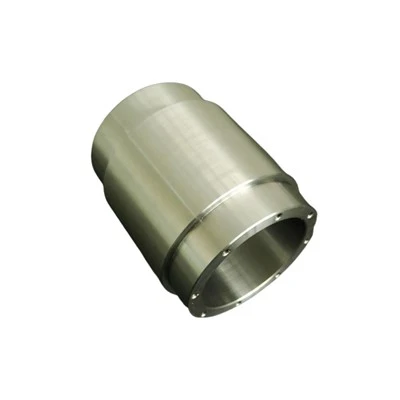
First, let’s get the basics straight—because I’ve seen new operators mix these up and wreck a perfectly good workpiece before the first pass is even done. Conventional milling, sometimes called “up milling,” is the older of the two methods. Here, the workpiece is fed in the same direction that the cutting edge of the mill is moving when it makes contact with the material. So if the mill’s tooth is moving up and to the right at the point where it touches the metal, the workpiece is also moving up and to the right. Climb milling, or “down milling,” is the opposite: the workpiece feeds in the same direction the cutting edge is moving at contact. If the tooth is moving up and to the right, the workpiece moves down and to the left, meeting the tooth as it spins down into the material.
When I started out in machining 15 years ago, every old-timer in the shop swore conventional was the only “right” way. Their reasoning? Conventional milling had been around for decades, and they’d learned it in trade school back when CNC machines were still a novelty, not the backbone of every production floor. They said climb milling was too risky, that it would yank the tool out of the chuck, leave a terrible finish, or even break the spindle. But here’s the thing—those old rules were written for manual mills, not CNC. The difference between manual and CNC operation changes everything.
Let’s talk about the biggest advantage of climb milling, because this is the reason I push it for 90% of the jobs my customers bring in. When a cutting edge in climb milling hits the material, it doesn’t have to scrape its way in like it does in conventional. In conventional, the cutting tooth is moving against the feed direction, so it has to slide across the surface of the workpiece before it finally bites in. That scraping creates a lot of heat, a lot of friction, and leaves those little feed marks that make a surface look rough—especially on soft metals like aluminum or brass. In climb milling, the tooth hits the material and immediately plunges in, like a knife cutting through butter. That reduces heat, reduces tool wear, and gives a much smoother finish right off the machine. I had a customer last year who was making 500 aluminum brackets for a drone company. They were using conventional milling, and each bracket took 12 minutes to finish, with a rough surface that required extra sanding. We switched them to climb milling, and they cut the time per bracket to 8 minutes, with a surface finish so good they skipped the sanding step entirely. That’s $12,000 a year in savings for them—all from a simple change in how they set the feed direction.
But climb milling isn’t perfect, and that’s where a lot of new operators go wrong. The “yank” effect the old-timers warned about? That’s real, but only for manual mills. On a manual mill, there’s backlash in the leadscrews—the play between the screw and the nut that moves the table. When you do climb milling, the cutting force pulls the table in the direction of the feed, and that backlash means the table can lurch, causing the tool to chatter or even skip. On a CNC mill, though, backlash is either eliminated or adjusted out with lead screw nuts. A CNC machine’s axis moves precisely, no lurch, so that yank effect is gone. The only time I still warn against climb milling on a CNC is if you’re working with a really old, worn-out machine that has significant backlash it never gets serviced. Even then, a quick backlash adjustment will fix that problem.
Now, what about conventional milling? When is that actually the better choice? I’ll admit, there are jobs where I recommend sticking with it. Let’s start with materials that are hard on cutting tools, like stainless steel or titanium. Wait, no—wait, hold on. Let me correct that. For most stainless and titanium, climb milling is still fine, as long as you’re using the right tool and coolant. The only time conventional makes sense is for machining materials that work harden really easily, like some grades of tool steel. When a conventional milling tooth scrapes across the surface, it creates a work-hardened layer, but in climb milling, the tooth is cutting through that work-hardened layer, which can cause it to wear faster. For those materials, doing a light conventional milling pass first to soften the surface, then a climb pass, is a good middle ground. The other big use case for conventional milling is when you’re machining a workpiece that’s clamped loosely. If your vise or fixture isn’t tight enough, the cutting force from climb milling can actually lift the workpiece off the table—something that almost never happens with conventional, because the cutting force is pushing down on the part. I had a job a few months back where a customer was milling a thin stainless steel sheet, only clamping the edges to save time. They tried climb milling and almost ripped the part right out of the vise. Switched to conventional, and it ran perfectly, no issues. That’s a safety call, not a performance call, and it’s worth paying attention to.
There’s also the topic of tool life, which is a big one for anyone using CNC milling tools—those carbide ends and face mills aren’t cheap. A lot of studies and shop floor data back up what I see every day: climb milling can extend tool life by 20-50% compared to conventional, especially on non-ferrous metals. Why? Because the cutting edge in climb milling is engaged with the material for less time per tooth, and the chip thickness builds gradually as the tooth goes around, instead of starting thick and getting thinner like in conventional. Wait, let’s explain that chip thing, because it’s a key point. In conventional milling, the chip starts as almost zero thickness when the tooth first touches the material, and gets thicker as the tooth moves through the cut. That means the tooth is rubbing against the material before it’s actually cutting, which causes more heat and more wear. In climb milling, the chip starts at its maximum thickness when the tooth touches the material, and gets thinner as it exits the cut. That means less rubbing, more efficient cutting, less heat—so the tool stays sharp longer. I’ve seen a set of end mills last twice as long on a climb milling job versus a conventional job doing the exact same part. That’s thousands of dollars saved on tooling every year for our customers.
But let’s not pretend climb milling is a no-brainer. There are hidden catches that new operators miss. First, coolant delivery. In climb milling, the chip is being carried away from the cutting zone by the tooth, so you need good, high-pressure coolant to flush that chip out of the cut. If your coolant is weak or not aimed right, chips can get trapped between the tool and the workpiece, causing scratches or tool breakage. In conventional milling, the chips are thrown forward away from the cut, so coolant requirements are a little less strict. Another catch is tool runout. If your end mill is bent or the chuck has a little runout, climb milling will make that runout show up in the surface finish a lot more than conventional. I always tell customers to check their tooling for runout before switching to climb milling—even a .0005 inch runout can ruin a climb milled surface. And for face mills, if the insert seats aren’t tight, climb milling can cause inserts to come loose, which is a safety hazard as well as a waste of parts.
What about surface finish? This is where the two methods diverge the most. I test every new tool and feed rate I send to a customer, so I have a notebook full of results. For aluminum, brass, plastic, and even mild steel, climb milling gives a smoother surface, lower Ra values (that’s the measurement of surface roughness you see on blueprints), no question. The feed marks from climb milling are almost invisible if you set the feed rate and spindle speed right. Conventional milling leaves those distinct, step-like feed marks that are easy to see with the naked eye. But for materials that have a grainy or uneven surface, like some cast irons, conventional milling can sometimes give a better finish. Wait, why? Because cast iron has small hard flakes of graphite in it, and climb milling can tear those flakes out of the surface if the tool is too sharp. Conventional milling cuts through those flakes cleanly, leaving a smoother surface. That’s another case where conventional is the right call.
Let’s also talk about production speed, because that’s what every customer cares about. Since climb milling cuts with less friction and heat, you can run higher spindle speeds and higher feed rates without worrying about tool overheating or chatter. On a recent job machining 100 sets of steel gear blanks, we ran climb milling at 1800 RPM with a feed of 20 inches per minute, versus conventional at 1200 RPM with a feed of 10 inches per minute. We finished each blank in 4 minutes instead of 7, so we got the whole order done a full day earlier than planned, and the tooling only wore 10% more than it would have on a conventional pass. That kind of speed translates directly to lower costs and faster delivery, which is why so many of our high-volume production customers swear by climb milling.
But here’s the thing I always remind my customers: you don’t have to pick one and stick with it forever. For example, if you’re making a part that’s 1 inch thick stainless steel, you can do the first ¾ of the cut with climb milling for speed and tool life, then do the final pass with a light conventional pass to get a better surface finish and avoid any work hardening. That’s a trick I picked up from a machinist in Germany when I visited a CNC shop there a few years back, and it works like a charm. It’s a middle ground that takes the best of both methods.
Now, let’s get back to being a CNC milling supplier, because that’s who I am. I don’t sell “the best” one size fits all solution. I sell solutions that work for your job, your machine, your budget, and your timeline. I’ve had customers come to me saying, “I heard climb milling is faster, so I want to switch” only to find out their old manual mill has so much backlash that it’s not worth it. I’ve had other customers switch to climb milling and cut their production time in half, doubling their output without buying a new machine. The worst thing I can do as a supplier is push a method just because it’s popular, instead of advising based on what’s actually right for their specific needs.
Let me give you a real example from last month. A small aerospace customer came to us, needing 20 titanium brackets for a satellite project. They’d been using conventional milling, but the parts were coming out with a rough surface, and the tool life was terrible—they were going through 3 end mills per bracket. We looked at their CNC mill, checked the backlash (it was nearly zero, well maintained), looked at their tooling (high-quality carbide end mills, properly set up), and recommended climb milling. They were skeptical, but we did a test run of one bracket. It took 45 minutes instead of 60, the surface finish was smooth enough for the aerospace specs without any secondary machining, and the end mill only had 20% wear after the cut. They switched all 20, saved 5 hours of machining time, and kept $2,000 in tooling costs they would have spent replacing end mills. That’s the kind of win that makes this job worth it.
But I also had a customer last year who was milling 1/8 inch thick aluminum foil for a packaging company. They tried climb milling, and the thin foil flexed so much under the cutting force that it wrinkled. Switched to conventional, and the cut was clean, no wrinkling, perfect for their packaging material. That’s a case where conventional was the only choice, no question.
So, to wrap this up—when is climb milling better? For most CNC operations, non-ferrous metals (aluminum, brass, copper), plastics, high-volume production, long tool life, smooth surface finishes, and well-maintained CNC machines with no significant backlash. When is conventional milling better? For manual mills with high backlash, loosely clamped workpieces, work-hardening materials (some tool steels), thin flexible workpieces, cast irons, and finishing passes on hard materials to avoid work hardening. And if you’re not sure, test both on a sample workpiece before committing to the whole job. That’s the best advice I can give, and it’s what I always tell every customer who calls me with this question.

If you’re looking to improve your CNC milling operations, whether you want to switch up your milling method, upgrade your tooling, or troubleshoot a recent job that’s gone wrong, reach out to our team. We’ve worked with small job shops and large production facilities, and we’ll give you honest, practical advice tailored to your specific needs. Don’t rely on old shop myths or online blogs that claim one method is universally better—talk to someone who’s been on the floor, seen the results, and knows what works.
Aluminum Die Casting References
- Metal Cutting Principles, 2nd Edition, M.C. Shaw, Oxford University Press, 2005
- CNC Machining Handbook: Advanced Manufacturing, J. A. Northrop, Industrial Press, 2018
- Tool Life and Surface Finish in Milling Operations, American Machinist Magazine, Vol. 162, No. 4, 2019
- Backlash Compensation in CNC Milling, Society of Manufacturing Engineers, 2020
Shenzhen Shunhaoda Technology Co., Ltd.
With abundant experience, we are one of the most professional CNC milling manufacturers and suppliers in China. If you’re going to buy bulk high quality CNC milling made in China, welcome to get free sample from our factory. Also, custom service is available.
Address: 902, Building A3, Tianrui Industrial Park, No. 35 Fuyuan 1st Road, Zhancheng Community, Fuhai Street, Bao’an District, Shenzhen
E-mail: sales@shdindustry.com
WebSite: https://www.shd-industry.com/
