Hey there, if you’ve ever worked with metal—whether you’re a fabricator, a machinist, a construction contractor, or even just someone who buys carbon steel parts for a project—you’ve probably heard the term “carbon content” thrown around a lot. But let’s be real, it’s not just a random number stamped on a spec sheet. It’s the single biggest thing that shapes everything about carbon steel: how strong it is, how weldable it is, how it rusts, and even how easy it is to machine. As a carbon steel supplier, I get questions about carbon content every single day, and I swear, most folks don’t realize how much that one tiny percentage matters. So let’s break this down, no stuffy textbook jargon, just straight talk that actually makes sense. Carbon Steel
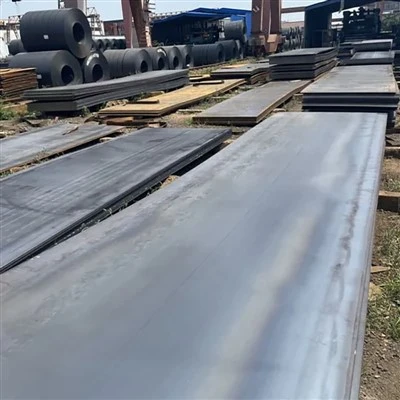
First, let’s get the basics out of the way: carbon steel is basically iron with a little carbon added to it. That’s it. Unlike stainless steel, which has tons of chromium to fight rust, carbon steel’s main alloy is just carbon. Now, the carbon content here is measured in weight percent—so it’s how much carbon is in every 100 pounds or 100 kilograms of the metal. That number isn’t a guess, either; it’s tightly controlled, because even a 0.1% difference can flip a part from perfect for your job to total garbage.
Here’s the big thing people mix up: there’s no one “carbon content” for carbon steel. It’s a range. Like, a super low carbon steel is totally different from a high carbon one. Let’s split them into the common groups we actually use, because that’s what matters for real work.
Low carbon steel is where most of the carbon steel you see every day falls. That’s usually 0.04% to 0.30% carbon. Wait, that’s it? That’s a tiny amount, right? But it’s a workhorse. Think about the steel beams holding up a warehouse, the sheet metal for car bodies, the pipes that carry water to your house. Why so low? Because less carbon means it’s soft, ductile, easy to shape, and super weldable. You can bend it, stamp it, weld it with just a basic MIG or stick welder, no fancy stuff. I see a lot of buyers come in and ask for “strong steel” and jump straight to high carbon, but 90% of the time, low carbon is exactly what they need. For example, if you’re making a custom truck trailer frame, low carbon (around 0.15% to 0.25%) is perfect—it won’t crack when you bend the frame, and you can weld all the joints without them breaking later. The catch with low carbon? It’s not super strong. If you try to use it for a high-stress part like a wrench or a spring, it’ll bend or snap easy. That’s where medium carbon comes in.
Medium carbon steel is the sweet spot for strength and versatility, usually 0.30% to 0.60% carbon. This is where you get steel that’s a lot harder than low carbon, still pretty easy to machine, and weldable if you do it right. Like, if you’re making gears, shafts, or agricultural equipment parts (plow shares, for example), medium carbon is the go-to. It has enough carbon to hold up to torque and wear, but not so much that it gets brittle. Wait, but let’s talk about what “brittle” means here—high carbon can be brittle, right? Exactly. That’s why a lot of folks go for medium carbon instead of jumping all the way to high. For example, if I have a customer making a set of industrial sprockets, they’ll usually specify 1045 steel (that’s a medium carbon steel, 0.45% carbon) because it’s strong enough to handle the chain’s tension, and you can heat treat it a little to make it even harder without making it snap if it gets hit. The downside of medium carbon? It’s a little less ductile than low carbon—so you can’t bend it as sharply without it cracking, and welding it needs a bit more prep, like preheating the parts to keep it from warping. But for most structural and mechanical parts, it’s hard to beat.
Then there’s high carbon steel, which is 0.60% to 1.50% carbon. This stuff is hard as nails, but it’s way more brittle. You use it for things that need to hold an edge: saw blades, knives, springs, cutting tools, maybe even the metal balls in a bearing. Wait, but it’s not just the carbon content—when you heat treat high carbon steel, that’s when it gets its super hard edge. If you take a high carbon steel knife, quench it in oil after heating it up, it gets way harder, but if you mess up the quench, it’ll crack. That’s why a lot of hobbyists struggle with high carbon steel—you have to know what you’re doing. As a supplier, I always tell folks, don’t use high carbon unless you absolutely need that hardness. If you’re making a bracket that doesn’t need to hold an edge, medium carbon will last longer and be cheaper, and you won’t have to worry about it breaking if it gets bumped. The downside of high carbon is also that it’s not weldable at all, really. Welding it would make it too brittle in the heat-affected zone, so you have to use mechanical fasteners instead. That’s a big detail I see a lot of DIYers miss.
Wait, hold on—some people talk about ultra-high carbon steel, right? That’s above 1.50% carbon, but that’s super rare. It’s not really used for most commercial or industrial stuff because it’s way too brittle. You’d only find it in specialized tools, like maybe a very hard metal for a die that’s only used for a few cuts, but it’s not something you’d specify for a regular part. So we can pretty much ignore that for 99% of the projects people bring to me.
Now, let’s clear up a common myth: more carbon = stronger, right? Sort of, but not exactly. Let’s explain that. When you add carbon to iron, it forms tiny carbide particles in the metal’s structure. Those carbides make the metal harder and stronger, but they also make it less ductile—meaning it can’t bend or stretch without breaking. So if you go from 0.10% carbon (super soft, like the steel in a soda can) to 0.50% carbon, you get steel that’s twice as strong, but you can’t bend it around a tight corner without it snapping. If you go to 1.00% carbon, it’s even stronger, but it’s so brittle that dropping it from waist height might crack it. That balance is key, and that’s why understanding carbon content is so important. If you pick too little carbon, your part is too weak; too much, it breaks when you need it to hold a load.
Another thing I get asked all the time: does carbon content affect rust? Short answer: a little, but not nearly as much as people think. Wait, carbon steel rusts, obviously, and high carbon steel will rust just as fast as low carbon if you don’t coat it. The difference is that high carbon steel might rust a little deeper if it does, because the carbides can create tiny little pits. But for real, if you’re worried about rust, you’re better off painting it, galvanizing it, or going for alloy steel than stressing over 0.1% extra carbon. I’ve had customers swear that high carbon is more rust-resistant, but last year we had a guy who bought high carbon steel sheets, left them outside for three months without a coating, and they were rusted through faster than his low carbon ones. So that’s a myth to bury right now.
Now, as a carbon steel supplier, let’s give you some practical examples of when to use which carbon content. Let’s say you’re building a small patio fence: low carbon (0.15% carbon) is perfect. It’s cheap, easy to cut and bend into fence posts and rails, and you can weld it without any hassle. If you’re making a garage door hinge that needs to swing a million times a year: medium carbon (0.40% to 0.50%) is ideal. It’s hard enough to wear well, and you can machine it to a smooth finish. If you’re making a woodworking chisel that needs to hold a sharp edge: high carbon (1.00% to 1.20%) is what you want. It’s hard enough to stay sharp through years of use, just make sure you heat treat it right and coat it to keep it from rusting.
Wait, but what about the grade numbers? Like 1018, 1045, 1095. Those are AISI grades, right? The first two digits are 10, which means it’s plain carbon steel (no other major alloys), and the last two digits are the approximate carbon content in hundredths of a percent. So 1018 is 0.18% carbon, 1045 is 0.45% carbon, 1095 is 0.95% carbon. That’s a quick way to check, and I always tell customers to remember that little rule—it’ll save you a lot of time when looking at spec sheets. A lot of new buyers don’t know that, so they’ll see “1018 steel” and have no clue what that means.
Now, let’s talk about what happens if you get the carbon content wrong. I’ve seen it happen more times than I can count. A fabricator came to me last year, saying he used 1020 steel (0.20% carbon) for crane hooks, and they kept bending under load. Turns out he needed medium carbon, like 1045—0.45% carbon would have given him the strength he needed, and the hooks would have worked fine. Another guy tried welding high carbon steel blades for a food processor, and the welds cracked so bad the blades shattered. That’s because high carbon steel can’t be welded, so he should have used medium carbon for the blades instead. These aren’t just small mistakes—they can lead to broken parts, downtime, even safety issues. That’s why getting the carbon content right isn’t trivial.
Wait, but is carbon content the only thing that matters? No, obviously. The way the steel is made (hot rolled vs cold rolled), the heat treatment, the thickness—all that stuff plays a role. But carbon content is the base. If you get that wrong, nothing else fixes it. As a supplier, I always start a conversation with a customer by asking what they’re making, what load it has to handle, if it needs to be welded, and if it’s going to be coated or left exposed. From there, I can tell them exactly what carbon content they need. I don’t just push the most expensive steel— I find what works for their budget and their project.
Let me also clear up something for people who work with metal processing: carbon content affects machining too. Low carbon steel is super easy to machine, it cuts fast, and the tools don’t wear out as quick. High carbon steel is way harder, so it takes longer to machine, and you need better tools. Medium carbon is in the middle—good machinability, not too hard, not too soft. That’s another reason to pick the right carbon content: if your shop uses CNC machines, you don’t want to pick something that’ll make your tools break every hour.
Now, I know I threw a lot of numbers at you, but let’s sum this up simply. Carbon content in carbon steel is the percentage of carbon by weight that determines the metal’s properties. Low carbon (0.04-0.30%) = soft, ductile, weldable, great for general parts. Medium carbon (0.30-0.60%) = strong, versatile, ideal for gears, shafts, structural parts. High carbon (0.60-1.50%) = hard, brittle, for edges and cutting tools. Anything over 1.50% is ultra-high, too brittle for most uses.
If you’re not sure what carbon content you need for your project, that’s totally normal. A lot of people don’t have a metallurgy degree, and that’s why I’m here. I don’t just sell steel—I help folks figure out what’s going to work for them. Whether you’re a small business owner making custom parts, a contractor building a structure, or a hobbyist working on a DIY project, I can walk you through it, no confusing jargon, no pressure to buy more than you need.
If you’re looking for carbon steel supplies, hit me up to chat about your project. We can talk through what you’re making, the specs you need, and get you the right material at a fair price. No runaround, no hidden fees, just straight talk about steel.
Stainless Steel Sheet/Plate References
- Davis, J.R. (Ed.). (1998). Carbon Steels: Specification and Properties. ASM International.
- Kalpakjian, S., & Schmid, S.R. (2014). Manufacturing Processes for Engineering Materials (7th ed.). Pearson.
- ASTM A3/A3M-21, Standard Specification for Carbon Structural Steel. ASTM International.
- The World Steel Association. (2022). Steel: The Basics. World Steel Association.
Wuxi Jin Ming Jian De Industry & Trade Co., Ltd.
Wuxi Jin Ming Jian De Industry & Trade Co., Ltd. is one of the most professional carbon steel manufacturers and suppliers in China, also supports customized service. With abundant experience, we warmly welcome you to wholesale CE approved carbon steel in stock here from our factory. If you have any enquiry about quotation, please feel free to email us.
Address: 2102-2105, Yuexing Building, Guangnan Road, Liangxi District, Wuxi City, Jiangsu Province, China.
E-mail: info@wxjmjdss.com
WebSite: https://www.jmjdsteelexp.com/
