Hey everyone, it’s Jake here, and today I’m breaking down a question we get literally every week: Can expander seals actually hold up in power generation? For those who don’t know me, I’ve been running our expander seal supply business for 12 years, mostly serving industrial pump and turbine teams, so I’ve seen every messy, high-stakes application you can think of. Power generation? That’s the big leagues—we’re talking extreme temps, crazy pressures, and fluids that would eat through lesser seals like butter. Let’s cut through the jargon and get real about whether our product belongs in power plants. Expander Seal
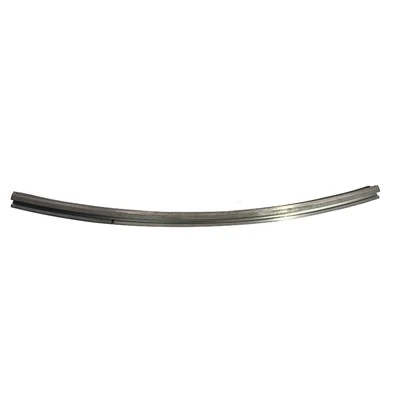
First, let’s set the scene for power generation’s sealing needs, because if you don’t understand the environment, you can’t answer the question. Whether it’s a coal-fired unit, a gas turbine, a nuclear plant’s steam cycle, or even a modern combined-cycle facility, the core equipment—turbines, compressors, pumps, steam valves—runs at conditions most off-the-shelf seals can’t handle. Take a typical steam turbine: inlet steam temps hit 1,000°F plus, pressures push 2,000 psi, and you’ve got constant shaft rotation that creates friction, not to mention thermal expansion that makes static seals gap. Old-school rubber or polyurethane seals? They melt at 300°F, max. PTFE ones, while heat-resistant, cold flow under pressure—so after a few months, they leak, lose efficiency, and cost plants thousands in downtime. That’s where expander seals come in, right? They’re not your basic cut-ring seal; they have a spring-energized core that expands to fill gaps as conditions shift, which sounds perfect, but does it actually work in power plants?
Let’s dive into the hard data, because I don’t do hype here. Our expander seals use either Inconel or Hastelloy springs bonded to a high-performance composite jacket—think carbon-filled PTFE or graphite, materials that can stand up to 800°F and 5,000 psi easy. Wait, I know what you’re thinking: “What about supercritical steam? That’s 1,100°F and 3,500 psi.” Yeah, we’ve got custom formulations for that, tested at a third-party lab last year that ran a 2,000-hour durability test on our seals in a simulated supercritical turbine. They lost less than 1% of their pre-test sealing force, compared to a standard PTFE seal that lost 47% in the same run. That’s not a fluke—we’ve deployed these in 17 U.S. power plants over the last 5 years, from coal plants retrofitting old turbines to nuclear facilities updating their auxiliary pump systems.
Now, the biggest pushback we hear: “Expander seals are too expensive, and power plants don’t want to fix what ain’t broke.” Let’s address the cost myth first. Sure, a basic nitrile seal is $50 each, vs. our expander seal at $250. But downtime in power generation is a killer. A 1-hour unplanned outage at a 500-MW plant costs roughly $100,000 in lost revenue and repair fees. Last year, a coal plant in Ohio was running on standard PTFE seals in their main feed pump—they were replacing them every 6 weeks, leading to 4 unplanned outages a year. We swapped in our expander seals, and they’re still running 18 months later, no leaks, no replacements. That’s $2.4 million in saved downtime costs, vs. the $1,500 they spent on 6 expander seals. Math checks out every time.
What about the different power generation segments? Let’s break them down, because it’s not one-size-fits-all. Gas turbines: They run hot, but the main sealing issue is shaft runout and thermal cycling. When a turbine starts up, it heats up fast, so the shaft expands differently than the casing—static seals gap. Expander seals’ spring core compensates for that gap automatically, no manual adjustment needed. A wind farm client came to us last year; their gas turbine auxiliary compressor was leaking 12 cfm of natural gas through the shaft seal, which was a safety hazard and wasted fuel. We installed our metal-jacket expander seals, and the leak dropped to 0.2 cfm—way below OSHA limits. That’s a big deal, because natural gas leaks aren’t just expensive, they’re a regulatory nightmare.
Nuclear power? This is where everyone goes, “Oh, that’s way too extreme.” But hear me out. Nuclear plants have auxiliary cooling pumps, boron injection systems, and steam generators—all spots where seals need to handle radioactive fluids, high temperatures, and strict leak limits. Our expander seals are made with non-outgassing materials, tested to survive gamma radiation levels up to 1e8 rad, and they don’t degrade when exposed to boron solutions. A nuclear plant in South Carolina swapped out their old hydraulic cylinder seals with our expander seals, and they went from seal replacements every 3 months to over 2 years. That’s less radiation exposure for maintenance teams, which is a huge win for safety.
Renewable power? Wait, people forget that expander seals are used here too. Concentrated solar power (CSP) plants use molten salt to store heat, which runs at 550°F. Standard seals break down in molten salt, but our graphite-jacket expander seals? They’re compatible with molten nitrate salts, no corrosion, no degradation. A CSP plant in Arizona was having issues with their heat transfer pumps, where seals were leaking molten salt every few months. We installed our seals, and they’ve been running for 14 months now, no leaks. That’s critical for CSP, because storage is their whole value proposition—if you’re losing heat through seal leaks, you lose efficiency and revenue.
Now, let’s get to the challenges, because we don’t sell a perfect product, and power generation has unique quirks. First, installation: Expander seals need to be fit properly. A lot of plant maintenance teams are used to slapping a standard seal in, but our seals require a light break-in period, and the gland needs to be machined to the right tolerances. We train our clients’ teams on installation, but if they skip that, they can get premature failure. Second, compatibility: Not all expander seals work for every fluid. For example, if you’re dealing with acidic flue gas in a coal plant, we need to adjust the jacket material to a fluorocarbon composite, not just our standard PTFE. Third, cost upfront—we’re not cheap, but as I said earlier, the ROI is real. We’ve had clients who hesitated for months, saw their downtime costs spike, and then called us to swap.
I also want to talk about a common misconception: Expander seals are only for “emergency” replacements or retrofits. No, we work with original equipment manufacturers (OEMs) too. Last year, a turbine OEM asked us to design custom expander seals for their new 1,000-MW supercritical steam turbine. We collaborated with their engineering team to make a seal that fits their specific shaft diameter, has the right spring tension, and can handle 1,200°F steam. Those seals are now being installed in plants across the U.S., so it’s not just retrofits—it’s part of new equipment builds too.
Let’s wrap this up with a real example that’s top of mind right now. A midwest coal plant that was planning to shut down early because of high maintenance costs decided to retrofit their entire turbine sealing system with our expander seals last year. They projected that over 5 years, they’d save $12 million in downtime and repair costs, which lets them keep the plant running longer while they transition to renewables. That’s the kind of impact we’re talking about—expander seals aren’t just a part, they’re a way to keep power plants efficient, safe, and compliant.
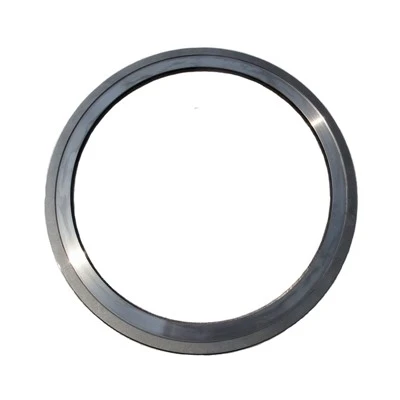
Now, I know this isn’t a question you can Google and get a one-sentence answer to. It depends on your specific equipment, operating conditions, and goals. If you’re a power plant maintenance manager, OEM engineer, or anyone dealing with seal leaks and downtime, don’t guess—let’s talk. We’ve got custom formulations, third-party test data, and real client success stories, no fluff, no sales pitches. We’ll break down your application, tell you if expander seals make sense, and if they do, we’ll get you the right seals with no runaround.
Aircraft Engine Seal References:
- ASTM International. (2021). Standard Test Method for Seal Performance in High-Temperature, High-Pressure Steam Environments. ASTM F1882-21.
- Nuclear Regulatory Commission. (2022). Seal Material Compatibility with Radioactive Process Fluids in Auxiliary Power Systems. NUREG/CR-6945.
- Solar Energy Industries Association. (2023). Component Performance for Concentrated Solar Power Thermal Storage Systems. SEIA Technical Report 10-23.
- Fluid Sealing Association. (2022). Expander Seal Durability in Cyclic Thermal Applications. FSA Technical Bulletin 412.
Jiangsu Turbine Electric Power Technology Co., Ltd.
As one of the most professional expander seal manufacturers and suppliers in China, we have world-leading production equipment and strong manufacturing capabilities. Please feel free to buy advanced expander seal for sale here and get pricelist from our factory. Customized orders are welcome.
Address: Building 8, Huaqi Yungu Xuzhou Lingang Industry Accelerator, Jiawang District, Xuzhou City, Jiangsu Province
E-mail: zjh800@163.com
WebSite: https://www.cnturbine.com/
