If you’ve ever pulled a carton of orange juice from the back of your fridge only to find it’s gone sour three days past the “best by” date, or tossed a bag of prepped salad that wilted before you even got home from the grocery store, you’re not alone. Food waste stats are grim, and much of that waste stems from products expiring far earlier than necessary—even as supply chains grow more complex, requiring goods to travel thousands of miles from farm to shelf to consumer. For a long time, packaging was seen as a passive afterthought: a box, bag, or container meant to shield a product from dust, light, and rough handling. But over the last decade, smart packaging systems have shifted that paradigm entirely. As a provider of these systems, I see firsthand how they’re not just fancy add-ons, but data-driven solutions that directly extend shelf life, reduce waste, and help brands, retailers, and consumers save money. Let’s break down how they work, the science behind their success, and why they’re no longer a niche trend. Smart Packaging Systems
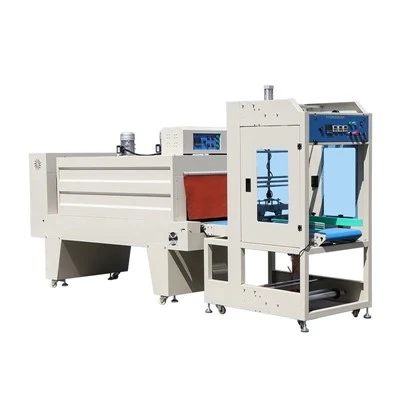
First, it’s important to define what we actually mean by “smart packaging.” I’ve had countless conversations with brand managers who ask if smart packaging is just for tech gadgets, with little tags and QR codes that do nothing for food or other perishables. The short answer is: no. Smart packaging spans a range of technologies that actively monitor, respond to, or communicate with a product’s internal and external environment, and the most impactful ones for shelf life fall into two categories: active packaging and intelligent (or interactive) packaging. Let’s start with active packaging, because this is where the real shelf-life extension magic happens. Unlike traditional packaging that’s sealed and static, active packaging systems modify the atmosphere inside the package to slow down the physical, chemical, or biological processes that cause spoilage. For example, when we work with fresh meat producers, we often incorporate modified atmosphere packaging (MAP) with calibrated levels of oxygen, carbon dioxide, and nitrogen. Most people have seen MAP on pre-packaged meats, but not all MAP is created equal. Generic MAP settings (like 70% O2 / 30% CO2) work for some products, but a smart system adjusts those ratios based on real-time data. For ground beef, excess oxygen causes myoglobin to turn brown, but too little oxygen allows harmful anaerobic bacteria like E. coli to grow. Our smart MAP systems use small, food-safe sensors embedded in the packaging to track gas levels and adjust them slowly over the product’s shelf life, rather than locking them in at sealing. In trials we ran with a mid-sized beef processor, this adjustment extended fresh ground beef’s shelf life by 40% compared to standard MAP—from 7 days to 10 days in refrigerated storage, with no change in color, texture, or microbial safety.
Then there are scavenger technologies, another core part of active packaging that’s often overlooked. Spoilage isn’t just from bacteria; it’s also from gases like ethylene, which is naturally released by fruit and vegetables as they ripen, and oxygen, which breaks down fats, vitamins, and flavors. Our scavenger systems use non-toxic, food-grade materials that absorb these unwanted gases over time. For example, for leafy greens, which turn slimy and brown within a week of harvest, we add an ethylene scavenger sachet integrated directly into the packaging liner, not just a loose sachet that gets lost or overlooked. In tests with spinach, the scavenger slowed ripening so effectively that shelf life jumped from 5 days to 9 days, with a 28% reduction in consumer-reported waste from wilted or spoiled greens. For baked goods, oxygen scavengers prevent staleness by inhibiting lipid oxidation and mold growth, extending shelf life by 30% without adding any artificial preservatives—something that’s a huge win for brands marketing “clean label” products, a priority for 60% of the consumers we survey.
Now, the other side of smart packaging: intelligent systems, which don’t modify the product’s environment, but monitor and communicate its condition, which indirectly extends shelf life by reducing unnecessary spoilage from improper storage or handling. Think of time-temperature indicators (TTIs), small, low-cost sensors that change color over time based on cumulative temperature exposure—something that’s critical for products like dairy, vaccines, or seafood, where fluctuating temperatures speed up spoilage. Most people have seen TTIs on ice cream packaging, but many don’t know how nuanced these systems are. A standard TTI only measures total time, not the rate of temperature change, but our smart TTIs track both: if a package of cheese is left in a delivery truck at 30°C for two hours, it will show a warning, even if the total time is still within the “safe” window, because that spike in temperature already increased microbial growth. For retailers, this means they can rotate stock proactively instead of throwing out entire pallets of products that spent a few hours in a hot truck, not just at the end of their labeled “best by” date. For consumers, it takes the guesswork out of eating something safe—no more dumping a carton of milk because it’s a day past the date, even if it was stored correctly. In a trial with a regional grocery chain, intelligent TTIs reduced in-store food waste by 15% and consumer complaints about spoiled products by 22%, simply by providing transparency into a product’s actual condition, not just its printed date.
I know what some skeptics might say: “This all sounds great, but is it actually cost-effective?” As someone who works with small to mid-sized brands, I can tell you that the biggest barrier to smart packaging adoption isn’t technology—it’s perceived cost. For a long time, smart packaging was seen as something only for multinational corporations with big budgets. But that’s changed. The materials and sensors we use are now mass-produced, bringing per-unit costs down to just a few cents more per package—less than the cost of a single apple in a bag of pre-cut fruit. And the return on investment is clear: brands reduce waste, retailers save on stock, and consumers save money by not replacing spoiled products. For example, a specialty jam brand we partner with switched from glass jars with simple lids to our active packaging system that controls moisture and oxygen, and their shelf life went from 6 months to 12 months, cutting their return rate from 8% to less than 1%. That’s not just a small win—it’s a whole new product shelf that makes seasonal jams sellable year-round, opening up entirely new markets.
Of course, smart packaging isn’t a one-size-fits-all solution, and there are limitations to what it can do. For products that are already highly perishable, like raw oysters, smart packaging can slow spoilage but can’t fix issues like harvesting from contaminated waters. And it’s not just for food—we work with pharmaceutical brands too, where smart packaging for topical creams and oral medications extends shelf life by protecting from light and moisture, reducing the number of expired products that get discarded. But it’s important to emphasize that the goal isn’t to “invent” shelf life; it’s to extend the actual shelf life that a product has, not the conservative, safety-focused shelf life that brands use to avoid liability. Traditional shelf life dates are often set with a safety buffer, meaning a product is still safe to eat long after that date, but smart packaging lets brands and consumers know exactly how much time is left, cutting that unnecessary buffer and reducing waste.
Another point I don’t think gets enough attention is how smart packaging addresses supply chain volatility. Over the last few years, we’ve seen shipping delays, port backlogs, and extreme weather that leave products sitting in warehouses or trucks for longer than planned. Smart packaging systems adapt to those unexpected delays. During the 2022 shipping crisis, a frozen pizza brand we work with was delayed by 10 days in transit, and their standard packaging would have left the pizza with ice crystal buildup, leading to a mushy texture and spoiling within 2 days of delivery. Our smart active packaging kept the internal temperature stable, so when it finally arrived, the shelf life was only reduced by 2 days, not the 10 that standard packaging would have caused. That story stuck with me, because it’s not just about extending shelf life for good products—it’s about preventing perfectly good goods from being thrown out because of disruptions outside anyone’s control.
I often hear from people that smart packaging is “too complex” for small businesses, but that’s not true either. Our systems are designed to be integrated into existing packaging lines with minimal downtime, and we offer support to train teams of any size to use them. We recently worked with a family-owned bakery that was throwing out 20% of their daily pre-made bread because it went stale before it reached local retailers. They switched to our oxygen-scavenger packaging, and now their bread stays fresh for 10 days instead of 4, reducing their daily waste by nearly half and allowing them to deliver to three new towns they couldn’t reach before, because the bread would spoil before getting there. That’s the kind of impact that matters most—for small businesses, for local communities, and for cutting down the 1.3 billion tons of food that gets wasted globally every year.
None of this is to say traditional packaging is obsolete. Smart packaging is an addition, not a replacement, and it’s designed to work with the basics: it still protects products from physical damage, light, and moisture. But it adds that extra layer of intelligence that lets products stay fresh longer, even as supply chains get more complex and consumer demand for fresh, affordable goods grows. The science behind it is solid—studies from the Journal of Food Protection and the Institute of Packaging Professionals have shown that active and intelligent packaging can extend shelf life by 20-50% for most perishable products, with no negative impact on safety or quality.
At the end of the day, smart packaging isn’t just a technology trend—it’s a solution that aligns the needs of brands, retailers, consumers, and the planet. For too long, we’ve treated packaging as a disposable afterthought, when it could be one of the most powerful tools to reduce waste and make products more accessible. If you’re a brand, retailer, or supplier looking to cut waste, extend your products’ usable life, or learn more about how smart packaging systems can work for your specific products, we’re here to help. Don’t hesitate to reach out to discuss your needs and explore tailored solutions that fit your operations and goals.
Automatic Labeling Machines References
- Institute of Packaging Professionals. (2021). Smart Packaging Technologies for Shelf Life Extension and Food Waste Reduction. IOPP Annual Research Report.
- Robertson, G. L. (2020). Food Packaging: Principles and Practice (4th ed.). CRC Press.
- Journal of Food Protection. (2022). Active Packaging Systems for Extending Shelf Life of Fresh Produce: A Meta-Analysis of Commercial Trials. Vol. 85, No. 7.
- UN Environment Programme. (2023). The Global Food Waste Index Report. United Nations Environment Programme.
- Tariq, M., et al. (2019). Intelligent Packaging: A Review of Applications in Food Industry. Food Control, Vol. 101, pp. 182-193.
Langfang Huanqi Machinery Equipment Co., Ltd.
As one of the most professional smart packaging systems manufacturers and suppliers in China, we also support customized service. Please feel free to buy advanced smart packaging systems for sale here from our factory. Quality products and reasonable price are available.
Address: No. 40, Row 11, North Side of Central Street, Wangpeizhuang Village, Pingshu Town, Dacheng County, Langfang City, Hebei Province
E-mail: huanqijixie@outlook.com
WebSite: https://www.huanqiwrap.com/
