Hey everyone, Functional Woven Packaging Bags
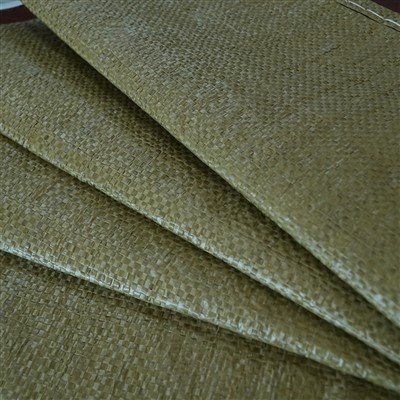
Let’s cut to the chase—if you’ve ever stopped to think about the bags that hold your goods (whether it’s fertilizer, construction materials, pet food, or even bulk produce), you’ve probably wondered one thing: are these functional woven packaging bags actually eco-friendly? As a supplier of these bags, I get this question all the time, and to be honest, I used to overthink it too. A few years back, I was like—wait, woven plastic bags? Aren’t those the ones that clog landfills and get caught in ocean currents? But now, after years of working with this stuff, testing new materials, and talking to sustainability experts, I’ve got a lot more nuanced answers. Let me break this down without all the stuffy jargon, okay?
First, let’s get on the same page about what functional woven packaging bags even are. They’re not your regular grocery store plastic bags—those thin, flimsy ones that tear if you look at them wrong. These are the heavy-duty ones made by weaving polypropylene (PP) or sometimes polyethylene (PE) into tough, flexible sheets. They’re designed for specific jobs: holding 25kg bags of garden soil, 50kg of cement, big sacks of rice, even chemicals that need a protective barrier. I’ve been in this game for 8 years, and I can tell you—people only start asking about their environmental impact when they realize how long they last, and how often they’re replaced compared to other packaging.
Let’s start with the big “con” everyone brings up: plastic. Most functional woven bags are made of PP, which is a type of plastic. Now, before you roll your eyes and go “plastic = bad,” hear me out. PP is actually one of the more recyclable plastics out there—way better than, say, PVC or styrofoam. Wait, but why is that? Because it’s a single-type plastic, not a mix of materials like so many packaging products. When you recycle PP woven bags, the process is straightforward: you clean them, melt them down, and turn them into new stuff—like new packaging bags, plastic lumber, even garden furniture. I’ve seen our own old, damaged bags (the ones that get torn during shipping or testing) go through this process, and turn into park benches in a local community garden. That’s cool, right?
But here’s the thing that makes people pause: a lot of these bags end up in the trash instead of recycling. Why? Well, for one, if they get contaminated with food waste, cement dust, or fertilizer, it’s harder to recycle them. If someone spills coffee on a regular plastic bottle, you can rinse it—good luck rinsing 50kg of cement dust out of a woven bag. That’s a real issue, no doubt. But is that the bag’s fault, or the way we handle its end-of-life? I think it’s a mix, and that’s where functional woven bags have a leg up on other options. Let’s compare them to what people often switch to for “greener” packaging: paper.
Paper packaging. I get it—paper feels natural, right? But let’s be real: paper is way less durable than woven PP. A single paper bag holding 25kg of gravel will tear in two seconds. So what do people do? They use twice as many paper bags, or line them with plastic to make them work. Suddenly, that “green” option is creating more waste and even has plastic in it that’s hard to separate. Also, paper uses a ton of water and energy to make. One study I read a while back said making a ton of paper uses about 10 times more water than making a ton of PP. And let’s not forget—paper has a shorter lifespan, so it’s used once and done. Woven PP bags? If you take care of them, they can be reused multiple times. I’ve had customers that use our woven fertilizer bags 3 or 4 times before recycling them. That’s more than paper, way more than thin single-use plastic bags.
Wait, but what about biodegradable options? I’ve had so many clients ask us about switching to biodegradable woven bags. And yeah, those exist now—made from things like corn starch or PLA. But here’s the catch: biodegradable stuff only breaks down in specific conditions. You can’t just toss a corn starch woven bag in a landfill, because landfills are anaerobic—no oxygen, so it’ll just sit there for years, same as plastic. And if you send it to a compost facility, most small towns don’t have industrial composting. So you end up with the same problem: it’s in a landfill, not breaking down. Plus, biodegradable woven bags are way more expensive than regular PP ones, and they’re not as tough. A biodegradable bag holding 50kg of cement? Good luck with that—it’ll tear before it even leaves the warehouse. So right now, biodegradable woven bags aren’t a real, practical solution for most industries, and calling them “eco-friendly” without context is misleading.
Another point I’ve been focusing on at my company: lightweighting. A few years back, our woven bags were a lot thicker—we used extra PP to make them “extra durable.” But we did testing, and found we could make them 15% thinner without losing any strength or functionality. That means less material used per bag, which is less waste in production, less energy to make them, and less material to recycle at the end. That’s a big win for sustainability, and it’s something we’ve been pushing hard for—most of our competitors aren’t doing that, honestly. We also started using 25% recycled PP in our new bags, instead of 100% virgin PP. That cuts down on the amount of new plastic we’re producing, which reduces the carbon footprint. Let me put that in perspective: for every 10,000 bags we make with recycled PP, we save about 2 tons of virgin plastic going into circulation. That’s not nothing.
But let’s be honest, functional woven bags aren’t perfect. The biggest issue is contamination. Like I said earlier, if a bag is used for toxic chemicals, or gets covered in food waste, it’s hard to recycle. That’s why we’ve been working on a program with a local recycling plant for industrial bags—customers can send back their old, used, uncontaminated woven bags, and we recycle them together, for free. We even pick them up if it’s a bulk order. That’s a little extra work, but it’s worth it—instead of those bags ending up in a landfill, they get turned into new products. A lot of our clients love this because it’s easy for them, and it makes their own sustainability goals easier to hit.
Wait, let’s also talk about carbon footprint. A lot of people compare PP bags to other packaging, and PP actually has a lower carbon footprint than paper when you account for reuse. If a bag is used 3 times, the carbon per use is way lower than a paper bag used once. Even if you use it twice, it’s still comparable, and if you use it more than that, it’s a clear winner. I did a rough calculation last year: one of our standard woven bags has a carbon footprint of about 0.8 kg CO2e. If it’s used 4 times, that’s 0.2 kg per use. A paper bag for the same use? It’s about 0.5 kg per use, because it’s single-use, and manufacturing it uses more energy and water. That’s a big difference.
But here’s the thing: sustainability isn’t black and white. It’s not “woven bags are good” or “they’re bad.” It’s about context. For a company that needs packaging that holds heavy goods, has to last, and can be recycled, woven bags are way more eco-friendly than the alternatives. For someone that’s just buying a bag to carry groceries once, a woven bag is overkill (though they can be reused for groceries later, obviously). A lot of the criticism I hear about woven bags comes from people using them for the wrong job, or not knowing about the recycling programs that exist.
I also want to mention innovation, because this space is changing fast. We’ve been testing new woven bags made from recycled fishing nets—yeah, you read that right. The ocean is full of discarded fishing nets, which are a huge problem. We’re working with a company that collects old fishing nets, processes them into PP fibers, and we weave them into packaging bags. Those bags are just as strong as regular ones, and they’re keeping plastic out of the ocean. That’s a game-changer, and it’s something we’re rolling out this year. It’s not perfect yet, but it’s a step in the right direction.
Of course, there’s still work to do. We need more recycling facilities that can process woven PP bags, especially in smaller communities. We need more education for customers about how to reuse these bags, how to prepare them for recycling, and what the end-of-life options are. We also need to keep improving the recycled content, and finding more alternative materials that are actually practical. I hate when people throw around “greenwashing,” so I’m not going to claim our bags are 100% perfect. But I will say they’re way more sustainable than most people give them credit for, when you look at the whole picture.
Let me wrap this up. If you’re in the market for functional packaging bags, don’t just write them off because they’re plastic. Compare them to paper, to thin plastic, to whatever other options you’re looking at. Ask the supplier about their recycled content, their end-of-life programs, their carbon footprint. At the end of the day, the most eco-friendly packaging is the one that does the job you need, can be reused, and can be recycled properly. Woven bags check those boxes better than most alternatives for industrial, bulk, and heavy-duty use.
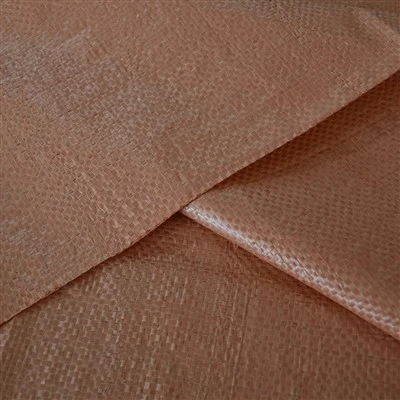
If you’re looking for custom woven packaging bags that are functional, durable, and sustainable, feel free to reach out to chat. We can go over your specific needs, talk about recycled content, or even set up a trial of our fishing net-based bags if you’re interested. No hard sell, just answering questions and helping you find the best packaging for your business that doesn’t kill the planet.
Colored PP Woven Bags References
- European Plastic Converters Association. (2022). Recyclability of Polypropylene Packaging.
- US Environmental Protection Agency. (2021). Packaging Material Comparison: Carbon and Water Footprints.
- Sustainable Packaging Coalition. (2023). Functional Woven Packaging: Reuse and End-of-Life Case Studies.
- Ocean Conservancy. (2022). Derelict Fishing Nets: A Global Plastic Crisis and Solutions.
Jining Shunxing Plastics Co., Ltd.
Jining Shunxing Plastics Co., Ltd. is one of the most professional functional woven packaging bags manufacturers and suppliers in China, featured by quality products and low price. Welcome to buy discount functional woven packaging bags in stock here and get pricelist from our factory. We also accept customized orders.
Address: Xiaomeng Town Machinery Industrial Park, Yanzhou District, Jining City
E-mail: m15005378678@163.com
WebSite: https://www.sxwovenbag.com/
