If you’ve ever worked in agriculture, construction, or industrial processing, you know how critical a reliable PVC suction hose is—whether it’s moving grain from a truck to a storage bin, siphoning water from a flooded worksite, or transferring raw materials for manufacturing. As a PVC suction hose supplier who’s been in this space for 12 years, I’ve seen firsthand how common damage to these hoses is. It usually happens at the worst possible time: mid-harvest, when rains flood a job site, or when a production line goes down because a hose split. Over the years, I’ve walked dozens of customers through repairing their damaged hoses instead of rushing to buy a new one, and I’ve learned that when done right, a proper repair can extend a hose’s life for months—saving you time, money, and the hassle of last-minute replacements. Today, I want to share that step-by-step process, grounded in the actual science of PVC hose construction and the hands-on tricks I’ve picked up talking to field operators every day. PVC Suction Hose

First, let’s get one thing straight: not all damage is repairable. A PVC suction hose isn’t just a hollow tube of plastic. Most quality suction hoses—like the ones we supply—are reinforced with helical plastic or steel wire along their inner core. That wire keeps the hose from collapsing when you pull a vacuum (hence the “suction” part). So if the damage is deep enough to crack that helical wire, or if you have a large tear over 10 inches long, or if the outer abrasion has eaten all the way through to the wire reinforcement, replacement is the smarter call. Trying to patch a broken wire will almost always lead to a re-tear within weeks, if not days. But for small punctures, surface abrasions that haven’t reached the core, or tears less than 6 inches long, the repair process below will work perfectly. I’ve used this exact method on hoses that were run over by a small tractor, punctured by a sharp rock, and abraded against a concrete bulkhead—all of which held up through another 3 months of heavy use before being replaced for unrelated reasons.
Before you start, gather the right supplies. You can’t use just any PVC glue or patch material; that’s a common mistake I see new operators make. For PVC suction hose repairs, you’ll need: a utility knife or a rotary cutter (sharp is non-negotiable—dull blades tear the hose and create uneven edges), a coarse-grit sandpaper (80-grit, to rough up the PVC surface so the adhesive sticks), a lint-free rag and isopropyl alcohol (to clean the repair area completely—even a tiny patch of dirt or oil will ruin the bond), a two-part flexible PVC adhesive (not regular craft PVC glue, which is too brittle for suction applications; this is the same adhesive we recommend for field repairs, engineered to flex with the hose under pressure and vacuum), a rubberized PVC repair patch (cut from the same thickness as your hose wall—too thin and it will split, too thick and it won’t conform to the curve of the hose), and a clamp or a heavy weight (something to apply even, steady pressure while the adhesive cures—no duct tape, which leaves uneven pressure and won’t hold for long). If your damage is along a seam (the glue line where the hose was bonded during manufacturing), you’ll also want a small plastic roller to squeeze out air bubbles after applying the patch.
Now, let’s walk through the actual repair step-by-step, starting with prepping the damage. First, clean the area around the damage with the isopropyl alcohol and lint-free rag. Scrub all dirt, oil, sap, or any other debris—PVC adhesive doesn’t stick to grease, and even a tiny spot of mud under your patch will cause it to peel. Next, mark the damage with a pencil or chalk, then extend the repair area 1 inch on all sides of the damage. This extra space ensures you have enough area for the adhesive to grip, so the patch doesn’t pull off under suction. If you have a tear instead of a puncture, trim the ends of the tear into a smooth, rounded shape—no sharp corners. That’s another key trick: sharp corners on patches act like stress points, where the patch will start to peel when the hose flexes. Rounding the ends eliminates that weak spot.
Once you’ve marked your repair area, it’s time to rough the PVC. Take your 80-grit sandpaper and rub the entire repair area, plus the patch itself, until the surface looks dull and matte—not shiny, smooth PVC. Shiny PVC is a non-stick surface for adhesive, so this step is non-negotiable. Don’t use a fine-grit sandpaper here; it doesn’t create enough texture for the glue to bite. Once you’ve finished sanding, wipe the entire area again with isopropyl alcohol to remove all the PVC dust. Dust is another major cause of failed repairs, so take your time here—let it dry completely before moving on.
Next, prepare the adhesive. Most two-part flexible PVC adhesives have a resin and a hardener that you mix in a 1:1 ratio. Follow the manufacturer’s instructions exactly—too much hardener makes the glue brittle, too little makes it take forever to cure. Once mixed, apply a thin, even layer of adhesive to both the repair area on the hose and the back of the patch. Don’t glob it on; thick layers take longer to cure and are more likely to crack. For puncture repairs, make sure you cover the entire hole in the hose before applying adhesive. For tears, apply the adhesive up to the rounded edges you cut earlier.
Wait 5 to 10 minutes, depending on the temperature—room temperature (70-75°F) is ideal. The adhesive will become tacky to the touch, like a piece of tape that’s been left out. That’s when you press the patch on. Align it perfectly over the damage, then press firmly from the center out to the edges, squeezing out any air bubbles. Air bubbles under the patch create weak spots where leaks can start, so take your time here. If you have a seam repair, use that small plastic roller to gently roll the patch, working from the center outward to push out every bubble.
Once the patch is pressed on, apply steady, even pressure. You can use a couple of c-clamps, or a heavy bucket filled with water, or even a stack of concrete blocks—just make sure the pressure is spread evenly across the entire patch. Don’t over-clamp; that can squeeze adhesive out from the edges and create gaps. Now, let it cure. This is the step I see most people skip, and it’s why many repairs fail prematurely. Don’t use the hose for at least 24 hours. If the temperature is below 60°F, let it cure for 48 hours. Trying to use the hose early will pull the patch loose before the adhesive has fully bonded to the PVC.
Now, let’s talk about a few common mistakes I see that turn a simple repair into a waste of time. First, using the wrong adhesive. I can’t tell you how many times a customer has come to me with a patch they did using regular PVC glue, only to have it fall off within a day. Regular PVC glue is designed for rigid, stationary pipes, not flexible suction hoses that bend under pressure and vacuum. The two-part flexible adhesive is formulated to flex with the PVC’s molecular structure, so it doesn’t crack when the hose moves. Second, not letting the repair cure fully. I’ve had customers tell me their patch came off because they needed the hose right away and used it after 12 hours. The adhesive needs time to cross-link, which is the chemical process that makes it strong. Rushing that step is the number one cause of failed repairs. Third, repairing a damaged wire core. If you can see the helical wire peeking through a tear, that means the core is compromised, and the hose will collapse under suction even if you patch the outside. Replacement is the only reliable fix here.
Also, for small, surface abrasions that don’t go all the way through the hose wall—like scuffs from dragging the hose over concrete—you can use this same process for a light touch-up, but make sure you only rough the abraded area, not sand all the way through. The goal there is to protect the underlying PVC from UV damage and further abrasion, not to fix a suction leak.
Over the years, I’ve found that educating customers on the basics of their PVC suction hose goes a long way in preventing damage in the first place. Our team at [supplier name, redacted] always includes a quick care sheet with every hose we ship, and one of the top tips is to avoid dragging hoses over sharp edges. Use hose carts or reels when storing and transporting them, inspect the hose before each use for small tears or punctures, and never exceed the maximum operating pressure or vacuum rating printed on the hose. A quick 2-minute inspection before hooking up a pump can save you hours of repair time down the line.
If you’ve tried repairing your PVC suction hose and it’s still leaking, or if you’ve got damage that’s too big to fix, don’t force a repair—reach out to our team. We’re a PVC suction hose supplier with over a decade of experience in the industry, and we can help you pick the right replacement hose for your specific application—whether that’s a heavy-duty hose for construction, a food-grade hose for agriculture, or a high-vacuum hose for manufacturing. We also offer bulk pricing for large jobs and custom lengths to fit your exact needs.
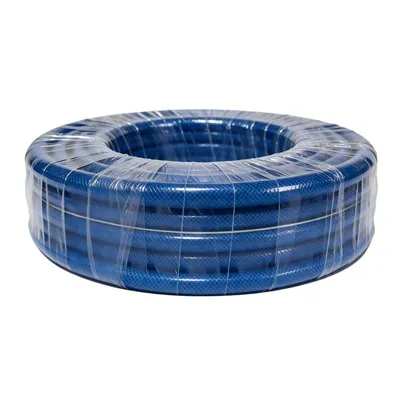
If you have any questions about repairing a damaged PVC suction hose, or if you’re looking to source reliable hoses for your operation, our team is ready to help you navigate your next project. We’ve worked with small farms and large industrial facilities alike, and we take pride in providing products and advice that help keep your operations running smoothly.
PVC Suction Hose References:
- National Agricultural Equipment Manufacturers Association. Guide to Agricultural Hose Maintenance and Repair. 2021.
- ASTM International. Standard Specification for Reinforced PVC Suction and Discharge Hoses for General Service. D2737-21, 2021.
- Plastics Industry Association. Flexible PVC Adhesives for Field Repairs. Technical Bulletin 12-04, 2020.
Weifang Xinzhiyuan Plastic Co., Ltd.
As one of the most experienced pvc suction hose manufacturers and suppliers in China, we offer a wide range of products with superior quality. Please feel free to wholesale premium pvc suction hose made in China here from our factory. We also accept customized orders.
Address: No. 700, Tongle Street, Economic Development Zone, Changle County, Weifang City, Shandong Province
E-mail: hua@xzypvchose.com
WebSite: https://www.pvchose-xzy.com/
