If you’ve ever stood in a smooth, quiet elevator gliding up a skyscraper or down a residential hallway, you might not have thought about the tiny, essential components that keep that motion steady. At our elevator guiding device company, we spend every day focused on exactly those parts—because without the right materials, even the most sleek, modern elevator would jerk, make noise, or fail entirely. Over the past 12 years in this industry, I’ve seen how material choices aren’t just technical details; they’re the difference between a ride that feels safe and one that feels reliable, and between a component that lasts 10 years and one that lasts 30. Today, I want to pull back the curtain on the materials we use for our guiding devices, how we test them, and why each choice matters for every passenger and building manager out there. Elevator Guiding Device
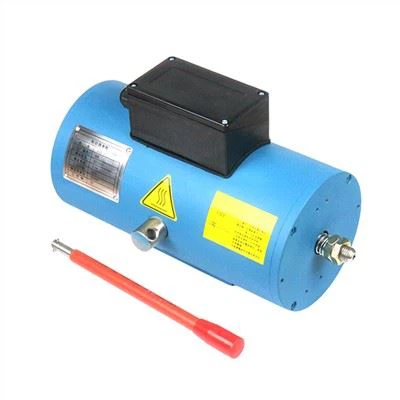
First, let’s ground this in what a guiding device actually does. Think of it as the elevator’s “rail and guide shoe system”: the elevator car has steel guide rails mounted along the hoistway walls, and our guiding devices attach to the car frame, wrapping around those rails to keep the car aligned perfectly as it moves. No side-to-side wiggle, no scraping, no risk of derailment. That job requires materials that can handle constant friction, heavy weight (elevator cars can carry 2,000 to 5,000 pounds of passengers and cargo plus the weight of the car itself), extreme temperatures, and even the occasional dusty or humid hoistway environment. Not every material can check all those boxes, so we’ve narrowed our core lineup to four main options, each tailored to different building types and use cases.
The most common material we use is high-grade cast iron, and for good reason. For decades, cast iron has been the workhorse of elevator guiding systems, and it’s still our top pick for heavy-duty applications like commercial office buildings, apartment complexes with 20+ floors, and industrial elevators. We don’t use cheap, gray cast iron, though. Our cast iron guide shoes are made from ductile cast iron, which has small graphite nodules inside the metal that make it far more flexible and less brittle than standard cast iron. I remember a project we did a few years back for a downtown Chicago office tower that runs 40 elevators, all carrying up to 3,500 pounds each. The maintenance team there told us prior to switching to our ductile iron shoes, they were replacing steel shoes every two years because they’d crack under the constant stress of rush hour traffic. Our cast iron shoes? They’ve run seven years without a single replacement, with only minor surface wear that’s easy to buff during routine checks. The downside of cast iron is it’s slightly heavier than some other options, but for heavy-use high-rises, the durability pays for itself in reduced maintenance and downtime.
Next up is engineering-grade nylon, and this is the material we lean on for medium-duty, low-noise applications. Think luxury apartment buildings, boutique hotels, and elevators that serve residential floors where quiet is a top priority—no one wants to hear a metallic scrape at 7 a.m. when someone’s heading to work. Nylon is a type of thermoplastic that’s been reinforced with glass fiber in our guiding devices, which gives it a strength-to-weight ratio that’s perfect for loads up to 2,500 pounds. The glass fiber reinforcement fixes two common problems with standard nylon: it prevents it from deforming under heavy pressure, and it reduces wear rate so it doesn’t turn into a mushy mess after a few years. Last year, we installed nylon guiding devices in a 15-story waterfront condo in Seattle, where residents had complained for years about loud elevator noise disturbing their views of Puget Sound. The building manager reported that within a month, noise levels inside the elevator dropped by 40%—a huge win for both residents and the building’s rental rates. Nylon does have a limit, though: it’s not ideal for areas with extremely high temperatures (like boiler rooms or industrial facilities next to furnaces) because it can soften, and it wears faster than metal in high-traffic scenarios. We strictly limit nylon to elevators that run fewer than 100 trips a day, which covers about 60% of the residential and small commercial projects we work on.
The third material we rely on is chrome-plated steel, and this is our go-to for high-speed elevators. If you’ve ever ridden an elevator that hits 1,000 feet per minute in a glass skyscraper, you’ve experienced the work of chrome-plated steel guiding devices. Steel itself is strong, but plain steel would scrape against the guide rail, create debris, and wear out fast at high speeds. Adding a thick, hard chrome plating (not the thin, decorative chrome you see on car parts—we use a 0.002-inch layer of industrial chrome) changes everything. The chrome surface has a high hardness rating—around 70 on the Rockwell B scale, compared to 50 for ductile iron and 40 for reinforced nylon—so it resists friction even when the elevator is moving at top speed. We test our chrome-plated steel guide rollers in our in-house lab at speeds up to 1,800 feet per minute, and they show less than 0.1mm of wear after 1 million trips. That’s a big deal for super-tall buildings like the ones in Dubai or New York City, where high-speed elevators are a must. One recent project I’m proud of is a 60-story mixed-use building in Dallas; the client originally chose cast iron, but after our team ran a wear simulation, we showed them the chrome steel would last 15 years longer, even with 150+ trips a day. They switched, and they haven’t regretted it. Chrome steel is more expensive upfront, but for high-speed, heavy-use applications, it’s the most cost-effective long-term choice.
The fourth material we’ve adopted in the last five years is self-lubricating polymer composite, and this is for the most specialized cases. Think of hospitals, where elevators need to run 24/7 to transport patients, gurneys, and medical equipment without stopping; or clean rooms in pharmaceutical or tech factories, where metal debris from worn parts can contaminate products. These composites are made from a mix of PTFE (the same material used in non-stick cookware), carbon fiber, and other additives that create a surface that never needs external lubrication. Most guiding devices require periodic greasing to reduce friction, but in a hospital elevator, that grease can drip onto floors or become a slip hazard for medical staff, and in clean rooms, even a tiny metal particle from a guide shoe can ruin a batch of drugs. Our self-lubricating polymer composites eliminate that need entirely. I worked with a hospital in Minneapolis a couple years ago that had been dealing with grease leaks from their old guide shoes, leading to 12 slip-and-fall incidents in a year. After installing our composite guiding devices, not only did those leaks stop, but the maintenance team has only had to check the parts twice a year—compared to monthly for their old metal shoes. The only catch here is that these composites are not strong enough for very heavy loads (max 3,000 pounds), so they’re reserved for specialized, low-to-medium traffic applications.
But here’s the thing: we don’t just pick a material and stick with it. Every guiding device we make is custom-designed for the specific building, elevator load, traffic volume, and environment. For example, a residential building in Phoenix with high ambient temperatures won’t get standard nylon—we’ll use heat-reinforced nylon that’s rated for up to 150 degrees Fahrenheit. An elevator in a coastal city like Miami, where salt air can corrode metal parts, won’t get regular cast iron—we’ll use stainless steel core cast iron to resist rust. That customization is what sets our guiding devices apart from one-size-fits-all parts you can buy online. We spend days on every project, running computer simulations to calculate wear rates, load capacity, and noise levels, then test prototypes in our lab under real-world conditions—simulating 10 years of traffic in a matter of weeks—to make sure the parts hold up.
I’ve learned over the years that too many elevator component suppliers treat materials like a checkbox, going with the cheapest option to win a bid. But at the end of the day, if a guiding device fails, the cost is way higher than the initial savings: emergency repairs, building shutdowns, risk of passenger injury. We’ve turned down more bids than I can count because the client wanted a cheaper material that would wear out in 5 years instead of 15. That’s not just bad business—it’s unsafe, and it goes against everything we stand for as a company that’s focused on long-term reliability, not quick sales.
If you’re a building manager, architect, or contractor working on a new build or elevator modernization project, choosing the right guiding device materials is one of the most important decisions you’ll make for the elevator system. A good guiding device doesn’t just keep the elevator moving—it reduces maintenance costs, extends the life of the entire elevator system, and keeps passengers safe and comfortable. We’ve worked on projects ranging from 5-story single-family homes to 80-story skyscrapers, and we know how to match the right material to your specific needs.
Ready to talk through your next project? Whether you need a quote for a small residential build, a custom solution for a high-rise office, or advice on modernizing an old elevator system, our team is here to help. We don’t just sell parts—we provide guidance to make sure your elevator runs smoothly for decades.
Elevator Tension Device References
- Elevator Guide Rail and Shoe System Design and Application, American Society of Mechanical Engineers (ASME), 2018
- Wear Resistance of Reinforced Nylon for Elevator Components, Journal of Industrial Tribology, 2021
- High-Speed Elevator Material Performance Standards, International Elevator and Escalator Association (EEA), 2020
- Self-Lubricating Polymer Composites for Low-Friction Elevator Applications, Tribology International, 2019
- Elevator Maintenance Best Practices for Long-Term Component Durability, National Elevator Industry Educational Program (NEIEP), 2022
Sanjin Elevator Parts Co., Ltd.
Sanjin Elevator Parts Co., Ltd. is one of the most professional elevator guiding device manufacturers and suppliers in China, featured by quality products and good service. Please rest assured to buy or wholesale high-grade elevator guiding device at competitive price from our factory.
Address: 18th Floor, Xinyuan Center, Fenghe Road, Xi’an, Shaanxi, China
E-mail: elevatorparts@westdt.com
WebSite: https://www.sanjinelevator.com/
