In the realm of electrolytic copper foil production, the efficiency of a titanium anode is a crucial factor that can significantly impact the overall production process, product quality, and cost-effectiveness. As a dedicated supplier of titanium anodes for electrolytic copper foil, I have witnessed firsthand the pivotal role these anodes play. In this blog, I will delve into effective strategies to enhance the efficiency of titanium anodes in electrolytic copper foil production. Titanium Anode for Electrolytic Copper Foil
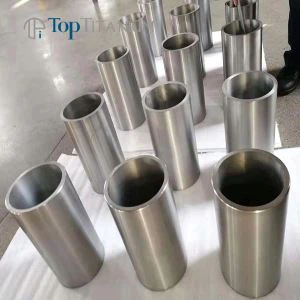
Understanding the Basics of Titanium Anodes in Electrolytic Copper Foil Production
Before we explore ways to improve efficiency, it’s essential to understand the function of titanium anodes in the electrolytic copper foil production process. In the electrolytic cell, the titanium anode serves as the positive electrode. When an electric current is applied, copper ions in the electrolyte are attracted to the cathode, where they are deposited to form copper foil. Meanwhile, the titanium anode facilitates the oxidation reaction on its surface, providing a stable environment for the continuous deposition of copper ions.
The choice of titanium material and its surface coating is of utmost importance. High – quality titanium substrates with appropriate purity can ensure good electrical conductivity and corrosion resistance. For example, commercially pure titanium (Grade 1 or Grade 2) is often used due to its excellent formability and resistance to corrosion in the acidic electrolytes commonly employed in copper foil production. The surface coating, typically a noble metal oxide such as iridium oxide or ruthenium oxide, plays a key role in catalyzing the oxidation reaction and reducing the over – potential, which is crucial for efficient energy utilization.
Optimizing the Anode Design
One of the primary ways to improve the efficiency of a titanium anode is through proper design. The shape and size of the anode can have a significant impact on the distribution of the electric field and the flow of electrolyte in the electrolytic cell.
A well – designed anode should ensure a uniform current density distribution across its surface. Non – uniform current density can lead to uneven copper deposition, resulting in variations in the thickness and quality of the copper foil. For example, if the current density is too high in some areas, it may cause excessive oxidation of the anode coating and premature degradation. On the other hand, low current density areas may result in insufficient copper deposition. To achieve uniform current density, anodes can be designed with specific geometries, such as perforated or slotted structures, which can help to regulate the flow of the electrolyte and the distribution of the electric field.
In addition, the size of the anode relative to the cathode also matters. A properly sized anode can provide an optimal surface area for the oxidation reaction, ensuring that the supply of copper ions in the electrolyte is maintained at an appropriate level. If the anode is too small, it may not be able to support the required current, leading to a decrease in production efficiency. Conversely, an oversized anode may increase the cost and also cause unnecessary energy consumption.
Maintaining the Anode Surface
The surface condition of the titanium anode is critical for its efficiency. Over time, the anode surface may accumulate various contaminants, such as copper deposits, metal impurities, and organic residues. These contaminants can increase the resistance of the anode, reduce the catalytic activity of the coating, and ultimately lead to a decrease in efficiency.
Regular cleaning of the anode surface is essential. Physical cleaning methods, such as brushing or ultrasonic cleaning, can be used to remove loose contaminants. Chemical cleaning, using appropriate acids or alkaline solutions, can be employed to dissolve stubborn deposits. However, it is crucial to choose the cleaning agents carefully to avoid damaging the anode coating. For example, strong acids may corrode the noble metal oxide coating, while alkaline solutions may react with the titanium substrate under certain conditions.
In addition to cleaning, the anode coating may need to be periodically inspected and repaired. The coating may experience wear and tear during the electrolysis process, especially in high – current density applications. If the coating is damaged or worn out, it can lead to an increase in the over – potential, which means more energy is required to drive the oxidation reaction. By regularly inspecting the coating and performing necessary repairs or re – coating, the anode can maintain its high efficiency.
Controlling the Electrolyte Conditions
The composition and properties of the electrolyte have a direct impact on the efficiency of the titanium anode. The electrolyte in electrolytic copper foil production is typically a copper sulfate solution with additives.
The concentration of copper ions in the electrolyte is a critical parameter. A proper copper ion concentration can ensure a sufficient supply of copper for deposition on the cathode. If the copper ion concentration is too low, it may lead to a decrease in the deposition rate and an increase in the probability of side reactions. On the other hand, if the concentration is too high, it may cause precipitation of copper salts, which can contaminate the anode surface and reduce its efficiency.
The pH value of the electrolyte also affects the anode performance. Most electrolytes for copper foil production are acidic. A stable and appropriate pH value can help to maintain the stability of the anode coating and prevent corrosion of the titanium substrate. Additives in the electrolyte, such as organic compounds and surfactants, can also play an important role. They can improve the quality of the copper foil, reduce the surface roughness, and enhance the efficiency of the anode by promoting the uniform distribution of the electric field and the flow of the electrolyte.
Monitoring and Adjusting the Operating Parameters
Continuous monitoring and adjustment of the operating parameters are essential for maintaining the high efficiency of the titanium anode. Key operating parameters include current density, temperature, and flow rate of the electrolyte.
Current density is a crucial factor that directly affects the deposition rate and the quality of the copper foil. A higher current density can increase the production efficiency, but it also increases the risk of over – potential and anode coating degradation. Therefore, it is necessary to find an optimal current density based on the specific anode design, electrolyte composition, and production requirements.
The temperature of the electrolyte can also impact the anode efficiency. A higher temperature can increase the conductivity of the electrolyte and the reaction rate, but it may also accelerate the corrosion of the anode and the evaporation of the electrolyte. Therefore, the temperature should be maintained within a suitable range, usually around 40 – 60 degrees Celsius in most electrolytic copper foil production processes.
The flow rate of the electrolyte is important for ensuring a uniform distribution of copper ions and removing reaction by – products from the anode surface. A proper flow rate can prevent the formation of concentration gradients and improve the overall efficiency of the electrolysis process.
Conclusion

Improving the efficiency of a titanium anode in electrolytic copper foil production is a multi – faceted task that requires a comprehensive approach. By optimizing the anode design, maintaining the anode surface, controlling the electrolyte conditions, and monitoring and adjusting the operating parameters, we can significantly enhance the performance of the anode, reduce energy consumption, and improve the quality of the copper foil.
Titanium Tube As a supplier of titanium anodes for electrolytic copper foil, I am committed to providing high – quality products and technical support to our customers. If you are interested in improving the efficiency of your electrolytic copper foil production process or are looking for reliable titanium anodes, please feel free to contact us for further discussions and potential procurement opportunities.
References
- "Electrochemical Engineering Principles" by John Newman and Karen E. Thomas –Alyea.
- "Handbook of Electroplating Engineering" edited by Paul M. Meli.
- Research papers on electrolytic copper foil production and titanium anode technology from relevant scientific journals such as the Journal of The Electrochemical Society.
Baoji Top Titanium Industry Co., Ltd.
As one of the most professional titanium anode for electrolytic copper foil manufacturers and suppliers in China, we’re featured by quality products and good price. Please rest assured to buy bulk titanium anode for electrolytic copper foil in stock here and get quotation from our factory. Customized orders are welcome.
Address: No. 2, South Section Of Phoenix 2nd Road,High-Tech Zone, Baoji,Shaanxi, China (Mainland)
E-mail: sales@bjtopti.com
WebSite: https://www.china-topti.com/
