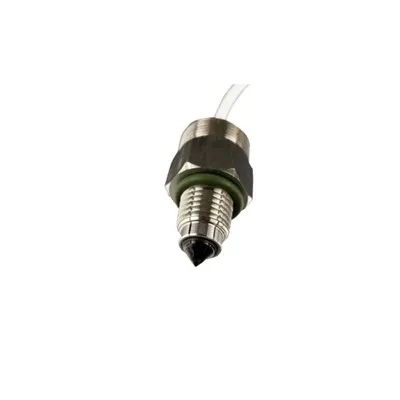
As a seasoned supplier in the field of level sensors, I’ve witnessed firsthand the diverse applications and challenges these devices face across various industries. Level sensors are crucial components used in a wide array of systems to measure and monitor the level of liquids, solids, or gases in containers, tanks, and silos. While they offer invaluable functionality, like any technology, they are prone to certain common faults that can impede their performance and reliability. In this blog post, I’ll delve into these typical issues, explore their root causes, and discuss potential solutions to help you maintain optimal sensor operation. Level Sensor
1. Electrical Interference
One of the most prevalent problems with level sensors is electrical interference. In industrial environments, numerous electrical devices generate electromagnetic fields that can disrupt the normal operation of level sensors. For instance, large motors, transformers, and power lines emit strong electromagnetic radiation. When a level sensor is exposed to such interference, it may produce inaccurate readings or even malfunction completely.
The root cause of electrical interference often lies in poor grounding or shielding of the sensor. If the sensor’s electrical circuit is not properly grounded, it becomes vulnerable to external electromagnetic fields. Similarly, inadequate shielding fails to protect the internal components of the sensor from interference.
To address this issue, it is essential to ensure proper grounding of the level sensor. This involves connecting the sensor to a reliable ground point to provide a path for the electrical current to flow safely. Additionally, using shielded cables can significantly reduce the impact of electromagnetic interference. These cables are designed with a conductive layer that acts as a barrier, preventing external electromagnetic fields from reaching the internal wires.
2. Mechanical Damage
Mechanical damage is another common fault that can affect level sensors. In industrial settings, sensors are often exposed to harsh conditions, including vibrations, impacts, and extreme temperatures. Vibrations from machinery can cause the internal components of the sensor to loosen or become misaligned, leading to inaccurate readings. Impacts from falling objects or accidental collisions can physically damage the sensor, rendering it inoperable.
Extreme temperatures can also have a detrimental effect on the performance of level sensors. High temperatures can cause the materials used in the sensor to expand, which may lead to mechanical stress and eventual failure. On the other hand, low temperatures can make the materials brittle, increasing the risk of cracking or breaking.
To prevent mechanical damage, it is important to install the level sensor in a suitable location. Avoid placing the sensor in areas where it is likely to be exposed to vibrations, impacts, or extreme temperatures. If necessary, use vibration dampeners to reduce the effects of vibrations. Additionally, consider using protective enclosures to shield the sensor from physical damage and environmental factors.
3. Buildup and Contamination
Over time, level sensors can accumulate buildup and contamination, especially when used in applications involving liquids or solids. Buildup can occur when the substances being measured adhere to the surface of the sensor, while contamination can result from the presence of foreign particles in the environment. This buildup and contamination can interfere with the sensor’s ability to accurately detect the level of the substance.
For example, in a water treatment plant, sediment and debris can accumulate on the surface of a level sensor, causing it to give false readings. In a food processing facility, food residues can stick to the sensor, affecting its performance.
Regular cleaning and maintenance are essential to prevent buildup and contamination. Depending on the application, the sensor may need to be cleaned daily, weekly, or monthly. Use appropriate cleaning methods and chemicals to ensure that the sensor is not damaged during the cleaning process. It is also important to install filters or strainers upstream of the sensor to prevent large particles from reaching the sensor.
4. Calibration Errors
Calibration is a critical process that ensures the accuracy of level sensors. However, calibration errors can occur due to various reasons, such as improper calibration procedures, changes in environmental conditions, or component aging.
Improper calibration procedures can lead to inaccurate readings. For example, if the calibration is not performed at the correct temperature or pressure, the sensor may give incorrect results. Changes in environmental conditions, such as temperature, humidity, and pressure, can also affect the calibration of the sensor. Over time, the internal components of the sensor may age and degrade, causing the calibration to drift.
To minimize calibration errors, it is important to follow the manufacturer’s calibration instructions carefully. Use calibrated reference standards to ensure the accuracy of the calibration process. Regularly monitor the performance of the sensor and re – calibrate it as needed. Additionally, keep records of all calibration activities to track the performance of the sensor over time.
5. Sensor Drift
Sensor drift refers to the gradual change in the sensor’s output over time, even when the measured quantity remains constant. This can be caused by a variety of factors, including component aging, environmental changes, and mechanical stress.
As the internal components of the sensor age, their electrical properties may change, leading to a shift in the sensor’s output. Environmental changes, such as temperature and humidity fluctuations, can also affect the sensor’s performance and cause drift. Mechanical stress, such as vibrations or impacts, can damage the internal components of the sensor and result in drift.
To address sensor drift, it is important to regularly monitor the sensor’s performance and compare its output with a known reference. If drift is detected, the sensor may need to be recalibrated or replaced. Additionally, using sensors with built – in compensation mechanisms can help reduce the effects of environmental changes and component aging.
6. Compatibility Issues
Compatibility issues can arise when the level sensor is not properly matched with the system in which it is installed. This can include issues with the electrical interface, the communication protocol, or the physical dimensions of the sensor.
For example, if the sensor’s output signal is not compatible with the input requirements of the control system, the data may not be transmitted correctly, leading to inaccurate readings or system malfunctions. In some cases, the physical dimensions of the sensor may not fit the installation space, making it difficult or impossible to install the sensor properly.
To avoid compatibility issues, it is important to carefully select the level sensor based on the requirements of the system. Consider factors such as the electrical interface, the communication protocol, the measurement range, and the physical dimensions of the sensor. Consult with the sensor manufacturer or a technical expert if you have any questions or concerns about compatibility.
Conclusion
In conclusion, level sensors are essential devices in many industrial applications, but they are prone to several common faults. By understanding these faults, their root causes, and the corresponding solutions, you can take proactive measures to ensure the reliable and accurate operation of your level sensors.
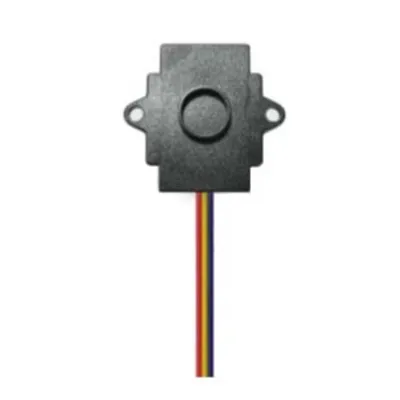
At our company, we are dedicated to providing high – quality level sensors that are designed to minimize these common faults. We offer a wide range of sensors to meet the diverse needs of our customers, and our technical support team is always available to assist you with any questions or issues you may have.
Hall Flow Meter If you are in the market for a level sensor or need help with your existing sensor system, we encourage you to contact us for a consultation. Our experts can help you select the right sensor for your application and provide guidance on installation, calibration, and maintenance. Let’s work together to ensure the optimal performance of your level sensing system.
References
- "Level Measurement Handbook" by Endress+Hauser
- "Industrial Sensors: Principles, Characteristics and Applications" by John G. Webster
- Technical documentation from various level sensor manufacturers
Shenzhen Fineherc Technology Co., Ltd.
As one of the most experienced level sensor suppliers in China, we’re featured by quality products and low price. Please feel free to buy discount level sensor made in China here from our factory. Welcome to view our website for more information.
Address: 5th Floor, Building D, No. 39, Keji East Road, Torch Development Zone, Zhongshan City,China
E-mail: fineherc@hotmail.com
WebSite: https://www.fineherc.com/
