In the vast world of cosmetics, humectants play a crucial role in enhancing the quality and performance of various beauty products. As a supplier of cosmetic ingredients, I’ve witnessed firsthand the significance of these compounds in formulating effective skincare, haircare, and makeup items. In this blog post, I’ll delve into some of the most common humectants used in cosmetics, exploring their functions, benefits, and applications. Cosmetic Ingredients
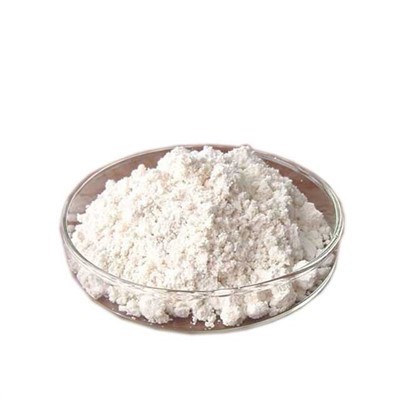
Glycerin
Glycerin, also known as glycerol, is perhaps the most widely used humectant in the cosmetic industry. It is a clear, odorless, and viscous liquid that is derived from natural sources such as vegetable oils or animal fats. Glycerin has the ability to attract and retain moisture from the environment, making it an excellent ingredient for hydrating the skin and hair.
One of the main benefits of glycerin is its ability to improve the skin’s barrier function. By attracting water to the skin’s surface, glycerin helps to prevent moisture loss and keep the skin hydrated and supple. It also has a soothing effect on the skin, making it suitable for sensitive or dry skin types. In haircare products, glycerin can help to moisturize the hair, reduce frizz, and improve its overall manageability.
Glycerin is used in a wide range of cosmetic products, including moisturizers, serums, lotions, creams, shampoos, conditioners, and hair masks. It is often combined with other ingredients such as hyaluronic acid, aloe vera, and shea butter to enhance its hydrating properties.
Hyaluronic Acid
Hyaluronic acid is a naturally occurring substance in the human body that plays a crucial role in maintaining skin hydration and elasticity. It is a polysaccharide that can hold up to 1000 times its weight in water, making it one of the most effective humectants available.
In cosmetics, hyaluronic acid is used to hydrate the skin and reduce the appearance of fine lines and wrinkles. It works by attracting water to the skin’s surface and filling in the gaps between skin cells, giving the skin a plump and youthful appearance. Hyaluronic acid also has a soothing and anti-inflammatory effect on the skin, making it suitable for sensitive or irritated skin types.
Hyaluronic acid is used in a variety of cosmetic products, including moisturizers, serums, gels, and eye creams. It is often used in high concentrations in anti-aging products to target specific skin concerns such as dryness, fine lines, and wrinkles.
Propylene Glycol
Propylene glycol is a synthetic humectant that is commonly used in cosmetics and personal care products. It is a clear, colorless, and odorless liquid that is soluble in water and alcohol. Propylene glycol has the ability to attract and retain moisture, making it an effective ingredient for hydrating the skin and hair.
One of the main benefits of propylene glycol is its ability to enhance the solubility and stability of other ingredients in cosmetic formulations. It can also help to improve the texture and consistency of products, making them easier to apply and spread. In haircare products, propylene glycol can help to moisturize the hair and prevent it from becoming dry and brittle.
Propylene glycol is used in a wide range of cosmetic products, including moisturizers, lotions, creams, shampoos, conditioners, and deodorants. It is generally considered safe for use in cosmetics, although some people may be allergic to it.
Butylene Glycol
Butylene glycol is a synthetic humectant that is similar in structure and function to propylene glycol. It is a clear, colorless, and odorless liquid that is soluble in water and alcohol. Butylene glycol has the ability to attract and retain moisture, making it an effective ingredient for hydrating the skin and hair.
One of the main benefits of butylene glycol is its low toxicity and high solubility, which make it suitable for use in a wide range of cosmetic products. It can also help to improve the texture and consistency of products, making them easier to apply and spread. In haircare products, butylene glycol can help to moisturize the hair and prevent it from becoming dry and brittle.
Butylene glycol is used in a variety of cosmetic products, including moisturizers, serums, lotions, creams, shampoos, conditioners, and hair styling products. It is generally considered safe for use in cosmetics, although some people may be allergic to it.
Sorbitol
Sorbitol is a natural sugar alcohol that is commonly used as a humectant in cosmetics and personal care products. It is a sweet-tasting, crystalline powder that is soluble in water. Sorbitol has the ability to attract and retain moisture, making it an effective ingredient for hydrating the skin and hair.
One of the main benefits of sorbitol is its low toxicity and high stability, which make it suitable for use in a wide range of cosmetic products. It can also help to improve the texture and consistency of products, making them easier to apply and spread. In haircare products, sorbitol can help to moisturize the hair and prevent it from becoming dry and brittle.
Sorbitol is used in a variety of cosmetic products, including moisturizers, lotions, creams, shampoos, conditioners, and lip balms. It is generally considered safe for use in cosmetics, although some people may be allergic to it.
Conclusion
In conclusion, humectants are essential ingredients in the cosmetic industry, playing a crucial role in enhancing the quality and performance of various beauty products. Glycerin, hyaluronic acid, propylene glycol, butylene glycol, and sorbitol are some of the most common humectants used in cosmetics, each with its own unique properties and benefits.
As a supplier of cosmetic ingredients, we offer a wide range of high-quality humectants that are suitable for use in a variety of cosmetic formulations. Our products are sourced from trusted suppliers and are rigorously tested to ensure their purity and quality.
If you’re interested in learning more about our humectants or other cosmetic ingredients, please don’t hesitate to contact us. We’d be happy to discuss your specific needs and provide you with a customized solution that meets your requirements. Let’s work together to create innovative and effective cosmetic products that make a difference in people’s lives.
Anti-Oxidant Ingredients References
- Cosmetics Ingredients Handbook, Edited by Jerry Shay
- International Journal of Cosmetic Science, Various issues
Zhenyibio Technology Inc
As one of the most experienced cosmetic ingredients manufacturers and suppliers in China, we offer a wide range of products with superior quality. Welcome to buy high quality cosmetic ingredients at competitive price from our factory. If you have any enquiry about cooperation, please feel free to email us.
Address:
E-mail: alex@zhenyibio.com
WebSite: https://www.zhenyi-cos.com/
