Hey there! I’m a supplier of anti-static plastics, and I’ve seen firsthand how these nifty materials can save the day when it comes to preventing static-induced malfunctions in equipment. In this blog, I’ll break down how anti-static plastics work their magic and why they’re a game-changer for all sorts of industries. Anti Static Plastics
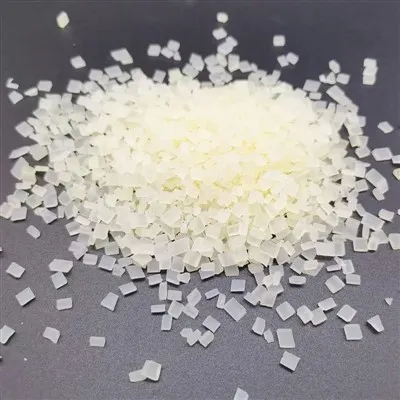
Let’s start with the basics. Static electricity is a real pain in the you-know-what. It’s that annoying shock you get when you touch a doorknob or the way your clothes cling together after coming out of the dryer. But in the world of equipment, static can cause some serious problems. It can damage sensitive electronic components, disrupt data transmission, and even lead to fires or explosions in certain environments.
So, how do anti-static plastics come to the rescue? Well, it all boils down to their unique properties. Anti-static plastics are designed to reduce or eliminate the build-up of static electricity on their surfaces. They do this by either conducting the static charge away or by preventing it from forming in the first place.
One way anti-static plastics work is through the use of conductive additives. These additives are mixed into the plastic during the manufacturing process, creating a network of conductive pathways within the material. When static electricity builds up on the surface of the plastic, these pathways allow the charge to flow through the material and dissipate safely. It’s like having a built-in lightning rod for your equipment!
Another method is to use anti-static agents that are applied to the surface of the plastic. These agents work by attracting moisture from the air, which helps to reduce the surface resistance of the plastic. This makes it easier for static charges to move across the surface and dissipate, rather than building up and causing problems.
Now, let’s talk about some of the industries that benefit from anti-static plastics. One of the biggest users is the electronics industry. In this industry, even the smallest amount of static electricity can cause damage to sensitive components like microchips and circuit boards. Anti-static plastics are used to package and transport these components, protecting them from static-induced damage during handling and shipping.
The automotive industry is another big user of anti-static plastics. In cars, static electricity can cause problems with electronic systems, such as the radio, navigation system, and airbag sensors. Anti-static plastics are used in the interior of cars to prevent static build-up and ensure that these systems work properly.
The pharmaceutical and food industries also rely on anti-static plastics to protect their products. In these industries, static electricity can attract dust and other contaminants, which can contaminate the products and make them unsafe for consumption. Anti-static plastics are used to package and store these products, preventing static build-up and keeping them clean and safe.
But it’s not just these industries that can benefit from anti-static plastics. Any industry that uses equipment or products that are sensitive to static electricity can benefit from using these materials. For example, the aerospace industry uses anti-static plastics in the construction of airplanes to prevent static build-up and reduce the risk of lightning strikes. The textile industry uses anti-static plastics to prevent static cling in clothing and other fabrics.
So, if you’re in an industry that needs to protect its equipment and products from static-induced malfunctions, anti-static plastics are definitely worth considering. They’re a cost-effective and reliable solution that can help you avoid costly downtime and repairs.
Now, I know what you’re thinking. "How do I choose the right anti-static plastic for my needs?" Well, there are a few things to consider. First, you need to think about the level of static protection you need. Some applications require a high level of static protection, while others may only need a moderate level. You also need to consider the environment in which the plastic will be used. For example, if the plastic will be exposed to high temperatures or humidity, you may need to choose a plastic that is more resistant to these conditions.
Another thing to consider is the type of plastic you need. There are several different types of anti-static plastics available, each with its own unique properties and benefits. Some plastics are more flexible, while others are more rigid. Some plastics are more transparent, while others are more opaque. You need to choose the plastic that best suits your specific needs and requirements.
If you’re not sure which anti-static plastic is right for you, don’t worry. That’s what I’m here for! As a supplier of anti-static plastics, I have a lot of experience and knowledge in this area. I can help you choose the right plastic for your needs and provide you with all the information and support you need to make an informed decision.
So, if you’re interested in learning more about anti-static plastics or if you’re ready to place an order, don’t hesitate to get in touch with me. I’d be happy to answer any questions you have and help you find the right solution for your business.

In conclusion, anti-static plastics are a valuable tool for preventing static-induced malfunctions in equipment. They work by reducing or eliminating the build-up of static electricity on their surfaces, protecting sensitive components and products from damage. If you’re in an industry that needs to protect its equipment and products from static, anti-static plastics are definitely worth considering. And if you need help choosing the right plastic for your needs, I’m here to help. So, don’t hesitate to reach out and let’s start working together to find the right solution for your business.
Conductive Polymer References:
- "Static Electricity and Its Effects on Electronic Equipment" by John Doe
- "Anti-Static Plastics: A Guide to Their Properties and Applications" by Jane Smith
- "The Importance of Anti-Static Packaging in the Electronics Industry" by Bob Johnson
Jiangxi Sugo Advanced Materials Co., Ltd.
With abundant experience, we are one of the most professional anti static plastics manufacturers in China. Please feel free to buy high quality anti static plastics in stock here and get free sample from our factory. We also accept customized orders.
Address: 1st Fugong Rd, Futian Industrial Park, Dingnan, Ganzhou City, Jiangxi Prov., R.P.C 341900
E-mail: EILEEN@SUGOPLAS.COM
WebSite: https://www.sugo-esd.com/
