As a supplier in the field of Furnace Control Series, I’m excited to share with you how these remarkable systems operate to ensure optimal performance and efficiency in various industrial applications. Furnace Control Series
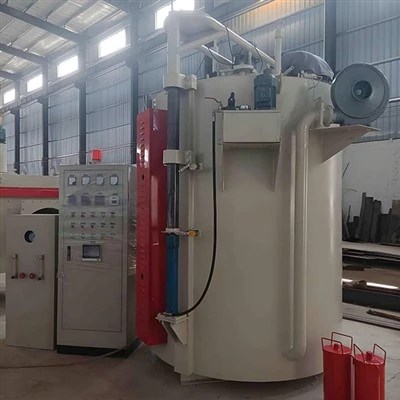
Understanding the Basics of Furnace Control Series
At the heart of any furnace control system lies the need to regulate and manage the combustion process precisely. This involves controlling factors such as temperature, pressure, air – fuel ratio, and ignition timing. The Furnace Control Series is designed to handle these complex tasks with a high degree of accuracy and reliability.
The system typically consists of several key components, each playing a vital role in the overall operation. First, there are sensors. These sensors are the eyes and ears of the control system. Temperature sensors, for example, are placed at strategic locations within the furnace to measure the heat at different points. They continuously send data back to the control unit. Pressure sensors are also crucial, as they monitor the internal pressure of the furnace. Any abnormal pressure changes can indicate potential issues such as blockages or leaks, and the control system can respond accordingly.
The air – fuel ratio is another critical aspect. Maintaining the correct ratio of air to fuel is essential for efficient combustion. Too much air can lead to inefficient burning and wasted energy, while too little air can cause incomplete combustion, resulting in the production of harmful pollutants. The Furnace Control Series uses sophisticated algorithms and sensors to monitor and adjust this ratio in real – time.
The Role of the Control Unit
The control unit is the brain of the Furnace Control Series. It receives data from all the sensors and processes this information based on pre – programmed parameters. For instance, if the temperature sensor reports that the furnace temperature is rising above the set limit, the control unit will take action. It may adjust the flow of fuel or increase the intake of air to cool down the furnace.
The control unit can also be programmed to follow a specific heating profile. In industrial applications where different materials require different heating patterns, this feature is invaluable. For example, in a metal – heating process, the furnace may need to heat up gradually to avoid thermal shock to the metal, and then maintain a constant temperature for a certain period. The control unit can precisely manage these changes.
In addition to controlling the normal operation of the furnace, the control unit also has built – in safety mechanisms. In case of a sensor malfunction, abnormal pressure spike, or other critical failures, the control unit can quickly shut down the furnace to prevent any potential damage or hazards.
Ignition and Combustion Control
The ignition process is one of the most important stages in furnace operation. The Furnace Control Series ensures a reliable and consistent ignition. It uses advanced ignition systems, which can be either electric or gas – based, depending on the type of furnace.
Once ignition occurs, the control system closely monitors the combustion process. It adjusts the amount of fuel and air being fed into the furnace to maintain a stable flame. This is crucial not only for efficient energy use but also for reducing emissions. A well – controlled flame burns more cleanly, minimizing the release of pollutants such as carbon monoxide and nitrogen oxides.
The control system also has the ability to diagnose and troubleshoot ignition problems. If the furnace fails to ignite, the control unit can perform a series of checks, such as verifying the fuel supply, ignition voltage, and air flow, to identify and resolve the issue quickly.
Monitoring and Communication
Modern Furnace Control Series are often equipped with monitoring and communication capabilities. Operators can use a user – friendly interface, which can be a touch – screen panel or a remote computer, to monitor the furnace’s performance in real – time. They can view data such as temperature, pressure, air – fuel ratio, and operating hours.
This monitoring feature allows for proactive maintenance. By analyzing trends in the data, operators can predict when components may need to be replaced or serviced before a major breakdown occurs. For example, if the temperature sensor shows a gradual increase in variability, it could indicate a problem with the burner or the heat exchanger.
The control system can also communicate with other industrial systems. For instance, it can be integrated with a factory’s overall control network, allowing for centralized management and coordination. This integration enables better resource allocation and overall process optimization.
System Configurability and Flexibility
One of the key advantages of our Furnace Control Series is its high level of configurability. Different industrial applications have different requirements, and our systems can be tailored to meet these specific needs. Whether it’s a small – scale laboratory furnace or a large – industrial smelter, the control system can be adjusted to provide the precise control required.
We offer a range of options for customization, including different sensor types, control algorithms, and communication protocols. This flexibility ensures that our customers get a solution that is perfectly suited to their operations.
Real – World Applications
The Furnace Control Series has a wide range of applications across various industries. In the metalworking industry, furnaces are used for processes such as melting, annealing, and heat – treating metals. The precise control provided by our systems ensures that the metal products have the desired properties, such as strength and hardness.
In the glass – making industry, furnaces need to maintain a stable temperature and atmosphere to produce high – quality glass products. Our Furnace Control Series can achieve this level of control, resulting in less waste and higher productivity.
In the ceramic industry, the firing process is crucial for the quality of the final products. Our control systems help in achieving the right temperature and firing profile, leading to consistent and high – quality ceramic pieces.
The Future of Furnace Control Series
As technology continues to advance, the Furnace Control Series is also evolving. We are constantly researching and developing new features to improve the performance, efficiency, and safety of our systems.
One area of development is the use of artificial intelligence and machine learning. These technologies can analyze large amounts of data from the sensors to optimize the furnace operation further. For example, they can predict the optimal air – fuel ratio based on historical data and current operating conditions, leading to even greater energy savings.
Another trend is the increased use of wireless communication. This allows for more convenient monitoring and control, especially in large industrial plants where running cables can be difficult and expensive.
Why Choose Our Furnace Control Series
Our company has been a leading supplier of Furnace Control Series for many years. We have a team of experienced engineers and technicians who are dedicated to providing the best products and services.
Our products are known for their high quality, reliability, and performance. We use only the best components and materials in our systems, and they undergo rigorous testing before leaving our facilities.
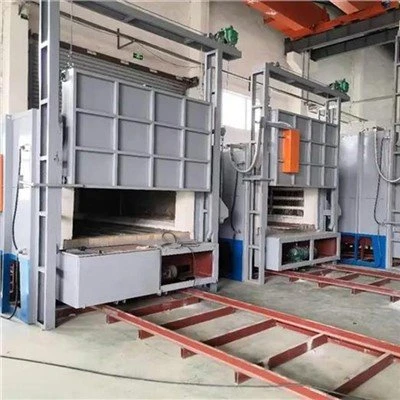
We also offer excellent customer support. Our team is available to assist customers with installation, configuration, and troubleshooting. We understand that every customer’s needs are unique, and we are committed to providing customized solutions.
Well Furnace If you are in the market for a Furnace Control Series, we invite you to contact us for a detailed discussion. Our experts can help you determine the best system for your specific application and provide you with a competitive quote. Whether you are looking to upgrade your existing furnace control system or install a new one, we are here to help you achieve optimal results.
References
- "Industrial Furnace Handbook: Principles, Designs, and Operations" by Thomas E. Nagle
- "Combustion Engineering" by V. G. Jalan
- Technical papers on furnace control systems from industry – leading research institutions and conferences.
Danyang Dingfeng Industrial Furnace Co., Ltd.
Danyang Dingfeng Industrial Furnace Co., Ltd. is one of the most experienced furnace control equipment manufacturers and suppliers in China, also supports customized service with low price. Please feel free to wholesale high quality furnace control equipment made in China here from our factory. For pricelist, contact us now.
Address: Lizhuang Economic Development Zone, Danyang City
E-mail: saleszk@dffurnace.com
WebSite: https://www.dffurnace.com/
