Hey there! As a supplier of PVC bathroom cladding panels, I often get asked, "What thickness is best for PVC bathroom cladding panels?" Well, let’s dive right into it and figure out the optimal thickness for your bathroom. PVC Bathroom Cladding Panels
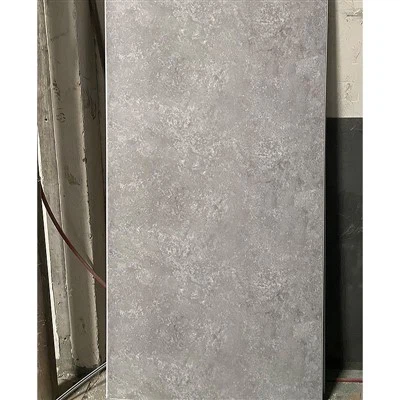
Understanding PVC Bathroom Cladding Panels
First off, let’s talk a bit about PVC bathroom cladding panels. PVC, or polyvinyl chloride, is a popular material for bathroom cladding because it’s waterproof, easy to clean, and relatively inexpensive. These panels come in a variety of thicknesses, and choosing the right one can make a big difference in terms of durability, appearance, and cost.
Factors to Consider When Choosing Thickness
There are several factors you need to consider when deciding on the thickness of your PVC bathroom cladding panels.
Durability
One of the most important factors is durability. Thicker panels are generally more durable and less likely to get damaged. If your bathroom gets a lot of traffic or if you have kids or pets, you might want to go for a thicker panel. For example, a 6mm or 8mm panel can withstand more wear and tear than a 3mm or 4mm panel.
Installation
The thickness of the panel can also affect the installation process. Thicker panels are heavier and may require more support during installation. If you’re installing the panels yourself, you might want to choose a thinner panel that’s easier to handle. On the other hand, if you’re hiring a professional installer, they may be able to handle thicker panels without any issues.
Appearance
The thickness of the panel can also impact the appearance of your bathroom. Thicker panels tend to look more substantial and give the bathroom a more high – end look. They can also hide imperfections in the wall better. However, thinner panels can be a good option if you’re going for a more minimalist look or if you’re on a tight budget.
Cost
Cost is always a factor. Thicker panels are usually more expensive than thinner ones. You need to balance your budget with your needs for durability and appearance. If you’re on a tight budget, a 3mm or 4mm panel might be a good option. But if you can afford it, investing in a thicker panel can pay off in the long run.
Common Thicknesses and Their Uses
Let’s take a look at some common thicknesses of PVC bathroom cladding panels and their typical uses.
3mm Panels
3mm panels are the thinnest option available. They’re lightweight and easy to install, making them a great choice for DIY projects. They’re also relatively inexpensive. However, they’re not as durable as thicker panels and may not be suitable for high – traffic areas. They’re a good option for small bathrooms or areas where the panels won’t be subjected to a lot of wear and tear.
4mm Panels
4mm panels are a step up from 3mm panels. They’re a bit more durable and can handle a bit more traffic. They still offer a good balance between cost and performance. They’re a popular choice for bathrooms in residential homes.
6mm Panels
6mm panels are a good choice for commercial bathrooms or high – traffic areas in residential homes. They’re more durable and can withstand more abuse. They also look more substantial and can give the bathroom a more professional look.
8mm Panels
8mm panels are the thickest option available. They’re extremely durable and can handle heavy use. They’re often used in high – end bathrooms or in areas where the panels need to be extra strong, such as around bathtubs or showers. However, they’re also the most expensive option.
My Recommendation
Based on my experience as a supplier, I usually recommend 4mm or 6mm panels for most residential bathrooms. They offer a good balance between durability, appearance, and cost. If you have a small bathroom with low traffic, 4mm panels should be sufficient. But if you have a larger bathroom or a high – traffic area, 6mm panels are a better choice.
For commercial bathrooms, I recommend 6mm or 8mm panels. These thicker panels can handle the heavy use and constant traffic that commercial bathrooms typically experience.
Conclusion
So, what thickness is best for PVC bathroom cladding panels? Well, it depends on your specific needs. Consider factors like durability, installation, appearance, and cost. And remember, choosing the right thickness can make a big difference in the look and functionality of your bathroom.
Roofing Waterproof Membrane If you’re interested in purchasing PVC bathroom cladding panels, I’d love to have a chat with you. We can discuss your specific requirements and find the perfect thickness and style for your bathroom. Whether you’re a homeowner looking to renovate your bathroom or a contractor working on a commercial project, we’ve got you covered. Just reach out, and let’s start this journey together!
References
- "PVC Materials in Construction: Properties and Applications" – Construction Materials Journal
- "Bathroom Renovation Guide" – Home Improvement Magazine
Hangzhou Eastopo New Marterial Technology Co., Ltd.
As one of the most professional pvc bathroom wall panel manufacturers and suppliers in China, we offer a wide range of products with superior quality. Please rest assured to wholesale custom made pvc bathroom wall panel from our factory. Good service and reasonable price are available.
Address: Room 304-20, Block B, Building 1,2,3&4, Kaixuan Jinniu Fang, Shangcheng District, Hangzhou, Zhejiang, China.
E-mail: mj@eastopo.com
WebSite: https://www.eastopo.com/
