Hey there! As a supplier of EDI and CEDI equipment, I often get asked if our gear can be used in seawater desalination. It’s a super interesting question, and I’m stoked to dive into it with you today. EDI and CEDI Equipment
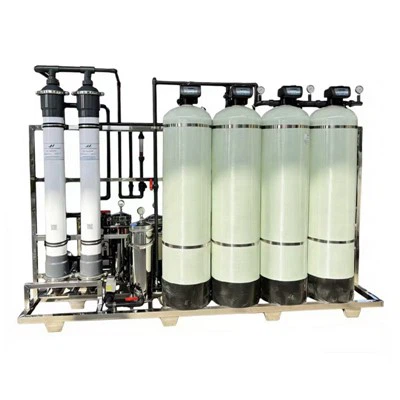
First off, let’s quickly go over what EDI (Electrodeionization) and CEDI (Continuous Electrodeionization) equipment are. EDI and CEDI are water treatment technologies that use electricity and ion exchange resins to remove ions from water. They’re pretty nifty because they can produce high – purity water without the need for a lot of chemicals, which is great for the environment and cost – effective in the long run.
Now, seawater is a whole different ballgame. It’s chock – full of salts, minerals, and other dissolved solids. On average, seawater has a salinity of about 3.5%, which means there are 35 grams of dissolved salts in every liter of seawater. That’s a ton compared to the relatively low levels of impurities in regular tap water.
So, can EDI and CEDI equipment handle seawater? Well, the short answer is that it’s not straightforward. Traditional EDI and CEDI systems are typically designed to work with water that has a relatively low salt content, like the water you’d get from a reverse osmosis (RO) system. RO is usually the first step in seawater desalination, where it can reduce the salt content of seawater by up to 99%.
The high salt concentration in seawater can cause some major problems for EDI and CEDI equipment. For one, it can lead to overloading of the ion exchange resins. These resins are like little sponges that soak up ions, but if there are too many ions in the water, they’ll get saturated really quickly. When that happens, the efficiency of the system drops, and you’ll end up with water that doesn’t meet the purity standards you’re aiming for.
Another issue is the potential for scaling and fouling. The high levels of calcium, magnesium, and other minerals in seawater can form deposits on the membranes and electrodes in the EDI and CEDI units. This scaling can block the flow of water and ions, reducing the performance of the equipment and potentially causing damage over time.
But here’s the good news: with some modifications, EDI and CEDI equipment can be used in seawater desalination processes. One approach is to use the EDI or CEDI system downstream of a well – designed RO system. After RO has removed the bulk of the salts from the seawater, the EDI or CEDI unit can then be used to polish the water further, removing the remaining trace ions and producing water of an even higher purity.
We’ve been working on developing EDI and CEDI systems that are more robust and better able to handle the challenges of seawater desalination. For example, we’re using advanced ion exchange resins that have a higher capacity for binding ions, which means they can handle a higher salt load before getting saturated. We’re also improving the design of the membranes and electrodes to be more resistant to scaling and fouling.
There are some real – world applications where EDI and CEDI equipment are being used in seawater desalination. In some remote islands and coastal areas, where fresh water is scarce, desalination plants are using a combination of RO and EDI/CEDI technologies to produce high – quality drinking water. These systems are not only providing a reliable source of clean water for the local population but are also doing it in a more environmentally friendly way compared to traditional desalination methods that rely heavily on chemicals.
When it comes to the cost – effectiveness of using EDI and CEDI in seawater desalination, it depends on a few factors. Initially, the investment in the equipment might be higher compared to some other desalination technologies. However, in the long run, the reduced need for chemicals and the lower maintenance requirements of EDI and CEDI systems can lead to significant cost savings.
If you’re in the business of seawater desalination or are thinking about setting up a desalination plant, you might be wondering if our EDI and CEDI equipment is right for you. Well, we’re more than happy to have a chat with you and figure out the best solution for your specific needs. Every desalination project is unique, and we can customize our equipment to fit your requirements.
Whether you’re dealing with a small – scale desalination project for a resort on a tropical island or a large – scale municipal desalination plant, we’ve got the expertise and the equipment to help you out. Our team of engineers and technicians has years of experience in the water treatment industry, and we’re always up for a challenge.
So, if you’re interested in learning more about how our EDI and CEDI equipment can be used in your seawater desalination project, don’t hesitate to reach out. We can provide you with detailed information about our products, do a feasibility study for your project, and even offer on – site support if needed.
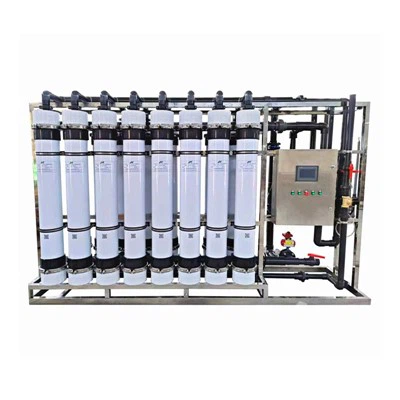
Let’s work together to make seawater desalination more efficient, cost – effective, and environmentally friendly. Contact us today to start the conversation and see how we can help you achieve your desalination goals.
Industrial RO Equipment References:
- Water Treatment Handbook, various authors
- Journal of Desalination and Water Treatment
- Proceedings of International Water Conference on Desalination Technologies
Shandong Yanuo Environmental Protection Equipment Co., Ltd.
We’re well-known as one of the leading edi and cedi equipment manufacturers and suppliers in China, featured by quality products and good price. Please rest assured to buy bulk edi and cedi equipment made in China here from our factory. Customized orders are welcome.
Address: North Side of the Road, 1,000 Meters West of the Intersection of Fenghuangshan West Road and Provincial Highway S102, Wangfu Subdistrict, Qingzhou City, Weifang City, Shandong Province.
E-mail: ynhb.499973983@gmail.com
WebSite: https://www.zkyaruo.com/
