In the realm of mechanical engineering, the output shaft stands as a crucial component, playing a pivotal role in transmitting power from an engine or motor to various mechanical devices. As an experienced output shaft supplier, I’ve witnessed firsthand the profound impact that shaft wear can have on the performance, reliability, and longevity of machinery. In this blog, I’ll delve into the intricacies of output shaft wear, explore its underlying causes, and share practical strategies to mitigate this issue, ensuring optimal performance and extended service life for your equipment. Output Shaft

Understanding Output Shaft Wear
Output shaft wear is a gradual process that occurs due to the continuous interaction between the shaft and its mating components, such as bearings, gears, and couplings. This wear can manifest in various forms, including friction, abrasion, corrosion, and fatigue, each with its unique set of causes and consequences.
Friction is one of the primary culprits behind output shaft wear. When two surfaces come into contact and move relative to each other, friction generates heat and wear particles, gradually eroding the shaft’s surface. Abrasion, on the other hand, occurs when hard particles, such as dirt, debris, or metal shavings, come into contact with the shaft, causing scratches and surface damage.
Corrosion is another significant factor that can contribute to output shaft wear. Exposure to moisture, chemicals, and other corrosive environments can cause the shaft’s surface to deteriorate, reducing its strength and integrity. Fatigue, which results from repeated stress and strain, can also lead to the development of cracks and fractures in the shaft, ultimately causing it to fail.
Causes of Output Shaft Wear
Several factors can contribute to output shaft wear, including improper lubrication, misalignment, overloading, and poor maintenance practices. Understanding these causes is essential for implementing effective wear reduction strategies.
Lubrication Issues: Inadequate lubrication is one of the most common causes of output shaft wear. Lubricants play a crucial role in reducing friction and wear between the shaft and its mating components, as well as preventing corrosion and heat buildup. Without proper lubrication, the shaft is subjected to increased friction and wear, which can significantly shorten its service life.
Misalignment: Misalignment occurs when the output shaft is not properly aligned with its mating components, such as bearings, gears, or couplings. This can cause uneven loading, increased friction, and premature wear of the shaft and its associated parts. Misalignment can be caused by a variety of factors, including improper installation, thermal expansion, and vibration.
Overloading: Overloading the output shaft can also lead to excessive wear and damage. When the shaft is subjected to loads that exceed its design capacity, it can experience increased stress and strain, which can cause deformation, cracking, and ultimately failure. Overloading can be caused by a variety of factors, including improper operation, excessive torque, and sudden shocks or impacts.
Poor Maintenance Practices: Neglecting regular maintenance can also contribute to output shaft wear. Failure to inspect, clean, and lubricate the shaft and its components can lead to the accumulation of dirt, debris, and wear particles, which can accelerate the wear process. Additionally, failing to replace worn or damaged components in a timely manner can cause further damage to the shaft and other parts of the machinery.
Strategies to Reduce Output Shaft Wear
Now that we’ve explored the causes of output shaft wear, let’s discuss some practical strategies to mitigate this issue and ensure optimal performance and longevity for your equipment.
Proper Lubrication: As mentioned earlier, proper lubrication is essential for reducing friction and wear between the output shaft and its mating components. It’s important to use the right type of lubricant for your specific application, as different lubricants have different properties and are designed to work under different conditions. Additionally, you should ensure that the lubricant is applied in the correct amount and at the appropriate intervals to maintain proper lubrication levels.
Alignment: Ensuring proper alignment between the output shaft and its mating components is crucial for reducing wear and extending the shaft’s service life. This can be achieved through careful installation and regular alignment checks. If misalignment is detected, it should be corrected immediately to prevent further damage to the shaft and other parts of the machinery.
Load Management: To prevent overloading the output shaft, it’s important to ensure that the machinery is operated within its design limits. This includes avoiding excessive torque, sudden shocks or impacts, and other types of overload conditions. Additionally, you should consider using load monitoring devices to track the load on the shaft and detect any signs of overloading.
Regular Maintenance: Regular maintenance is essential for preventing output shaft wear and ensuring the reliable operation of your machinery. This includes inspecting the shaft and its components for signs of wear, damage, or corrosion, cleaning and lubricating the shaft and its parts, and replacing worn or damaged components in a timely manner. By following a regular maintenance schedule, you can identify and address potential issues before they become major problems, saving you time and money in the long run.
Material Selection: Choosing the right material for the output shaft is also important for reducing wear and extending its service life. Different materials have different properties, such as hardness, strength, and corrosion resistance, which can affect the shaft’s performance and durability. When selecting a material for the output shaft, you should consider factors such as the operating conditions, the load requirements, and the expected service life of the shaft.
Surface Treatments
In addition to the strategies mentioned above, surface treatments can also be used to reduce output shaft wear. Surface treatments involve applying a thin layer of material to the shaft’s surface to improve its hardness, wear resistance, and corrosion resistance. Some common surface treatments for output shafts include:
Hard Chrome Plating: Hard chrome plating is a popular surface treatment for output shafts, as it provides excellent wear resistance and corrosion protection. The chrome layer is deposited onto the shaft’s surface through an electroplating process, creating a hard, durable coating that can withstand high levels of friction and wear.
Nitriding: Nitriding is a heat treatment process that involves introducing nitrogen into the surface of the shaft to form a hard, wear-resistant layer. This process can significantly improve the shaft’s hardness, wear resistance, and fatigue strength, making it ideal for applications where high loads and wear are expected.
Carburizing: Carburizing is another heat treatment process that involves introducing carbon into the surface of the shaft to increase its carbon content and hardness. This process can improve the shaft’s wear resistance, strength, and toughness, making it suitable for applications where high loads and abrasive wear are present.
Monitoring and Inspection
Regular monitoring and inspection are essential for detecting early signs of output shaft wear and preventing catastrophic failure. By monitoring the shaft’s performance and condition, you can identify any issues before they become major problems and take appropriate action to address them. Some common methods for monitoring and inspecting output shafts include:
Visual Inspection: Visual inspection is the simplest and most common method for detecting output shaft wear. By visually examining the shaft and its components, you can look for signs of wear, damage, or corrosion, such as scratches, cracks, pitting, or discoloration.
Vibration Analysis: Vibration analysis is a non-destructive testing method that involves measuring the vibration of the shaft and its components to detect any abnormal vibrations or patterns. Abnormal vibrations can indicate the presence of wear, misalignment, or other issues that can affect the shaft’s performance and reliability.
Oil Analysis: Oil analysis is a diagnostic tool that involves analyzing the lubricating oil used in the machinery to detect any signs of wear or contamination. By analyzing the oil’s chemical composition, viscosity, and particle content, you can identify any issues with the shaft or other components and take appropriate action to address them.
Conclusion
Output shaft wear is a common issue that can have a significant impact on the performance, reliability, and longevity of machinery. By understanding the causes of output shaft wear and implementing effective wear reduction strategies, you can minimize the risk of wear and damage to the shaft and ensure optimal performance and extended service life for your equipment.
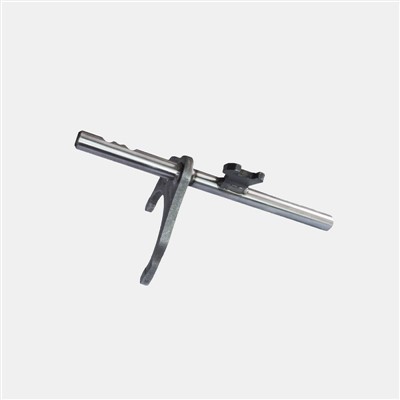
As an output shaft supplier, I’m committed to providing high-quality output shafts and related products that are designed to meet the needs of our customers. If you’re experiencing issues with output shaft wear or if you’re looking for a reliable output shaft supplier, please don’t hesitate to contact us. Our team of experts is available to answer your questions, provide technical support, and help you find the right solution for your specific application.
Forklift Parts References
- "Mechanical Design of Machine Elements and Machines: A Failure Prevention Perspective" by Jack A. Collins
- "Machinery’s Handbook" by Industrial Press
- "Wear Control Handbook" by M. B. Peterson and W. O. Winer
Taizhou Liuhuan Machinery Co., Ltd.
As one of the most professional output shaft manufacturers and suppliers in China, we’re featured by quality products and good service. Please rest assured to buy customized output shaft made in China here from our factory. For quotation, contact us now.
Address: Xinyuan Industrial Zone, Damaiyu Street, Yuhuan City, Zhejiang Province,China
E-mail: tzlhmachining@gmail.com
WebSite: https://www.tzlhmachining.com/
