Hey there! I’m an O ring supplier, and I get asked a ton about what materials are O rings made of. So, I thought I’d break it down for you in this blog post. O Ring
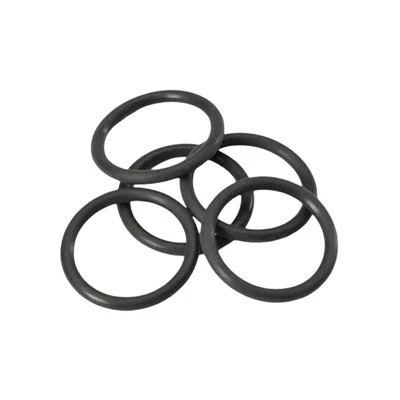
Let’s start with the basics. O rings are those little circular seals you see in all sorts of applications, from your car engine to your kitchen faucet. They’re super important for keeping fluids and gases from leaking. And the material they’re made of plays a huge role in how well they work.
Nitrile Rubber (NBR)
One of the most common materials for O rings is nitrile rubber, or NBR for short. It’s a go – to choice for a lot of reasons. First off, it’s really good at resisting oil and fuel. That’s why you’ll find it in automotive engines, where it seals the connections between different parts to prevent oil leaks.
Nitrile O rings can handle a wide range of temperatures, usually from about -40°F to 250°F (-40°C to 121°C). They’re also relatively inexpensive, which makes them a popular option for high – volume applications. If you’re in the automotive or industrial sectors, chances are you’ve used nitrile O rings at some point.
Fluorocarbon Rubber (FKM)
Fluorocarbon rubber, or FKM, is another big player in the O ring world. This stuff is like the superhero of O ring materials. It has excellent chemical resistance, which means it can stand up to all sorts of harsh chemicals, acids, and solvents.
FKM O rings can handle really high temperatures, often up to 400°F (204°C) or even higher in some cases. They’re commonly used in the chemical processing industry, where they seal pipes and valves that carry corrosive substances. They’re also used in aerospace applications, where reliability and resistance to extreme conditions are crucial.
But here’s the catch: FKM O rings are more expensive than nitrile ones. The high cost is due to the complex manufacturing process and the expensive raw materials. So, you usually only use them when you really need their special properties.
Silicone Rubber (VMQ)
Silicone rubber, or VMQ, is known for its flexibility and its ability to work in a wide temperature range. It can handle temperatures from about -100°F to 450°F (-73°C to 232°C). This makes it great for applications where the temperature can vary a lot.
Silicone O rings are also non – toxic and have good electrical insulation properties. That’s why you’ll find them in food and beverage applications, like sealing lids on food containers, and in electrical equipment. They’re soft and easy to install, but they’re not as good at resisting oils and fuels as nitrile or FKM.
Ethylene Propylene Diene Monomer (EPDM)
EPDM is a material that’s really good at resisting weather, ozone, and water. It’s often used in outdoor applications, like in the seals around your car windows or in the gaskets for water pipes.
EPDM O rings can handle a temperature range from about -60°F to 300°F (-51°C to 149°C). They’re also relatively inexpensive, which makes them a popular choice for applications where cost is a concern and you need a seal that can withstand the elements.
Polyurethane (PU)
Polyurethane, or PU, is a tough material that’s known for its high abrasion resistance. If you have an application where the O ring is going to be rubbing against other parts, like in a hydraulic cylinder, then polyurethane O rings are a great option.
They can handle a decent temperature range, usually from about -40°F to 180°F (-40°C to 82°C). However, they’re not as good at resisting chemicals as some of the other materials. So, you need to make sure that the chemicals in your application won’t damage the polyurethane.
PTFE (Polytetrafluoroethylene)
PTFE is a unique material. It’s known for its low friction coefficient, which means it’s really slippery. This makes it great for applications where you need a seal that can move easily, like in a valve stem.
PTFE O rings can handle extremely high temperatures, up to 500°F (260°C). They also have excellent chemical resistance, similar to FKM. But PTFE is a bit more rigid than rubber materials, so it might not be as flexible in some applications.
Choosing the Right Material
So, how do you choose the right material for your O ring? Well, it depends on a few factors. First, you need to think about the temperature range in your application. If it gets really hot or really cold, you’ll need a material that can handle those extremes.
Next, consider the chemicals that the O ring will be in contact with. If it’s going to be exposed to oil, fuel, or harsh chemicals, you’ll want a material that has good chemical resistance.
The pressure in your application is also important. Some materials can handle higher pressures than others. And finally, cost is always a factor. You want to get the best performance for your money.
As an O ring supplier, I’ve helped a lot of customers choose the right material for their needs. I’ve seen all sorts of applications, from small – scale DIY projects to large – scale industrial operations. And I can tell you, there’s no one – size – fits – all solution. It’s all about finding the material that’s going to work best for your specific situation.
Why Choose Us?
When it comes to buying O rings, you want a supplier you can trust. We’ve been in the business for a long time, and we know our stuff. We have a wide range of O rings made from all the different materials I’ve talked about. Whether you need a small quantity for a one – time project or a large order for a big production run, we can help.

Our O rings are made to high – quality standards. We use the best raw materials and the latest manufacturing techniques to ensure that our products are reliable and durable. And we offer competitive prices, so you’re getting great value for your money.
Rod Seal If you’re looking for O rings for your next project, don’t hesitate to get in touch. We’re here to answer your questions, help you choose the right material, and make sure you get the O rings you need. Just reach out to us, and we’ll start the conversation.
References
- "Sealing Technology Handbook" by John H. Bickford
- "Rubber Seals and O – Rings: Design, Materials, and Applications" by Robert K. Howell
- "Handbook of Elastomers" edited by James E. Mark
Hebei Jinwo Machinery Technology Co., Ltd.
Hebei Jinwo Machinery Technology Co., Ltd. is one of the most professional o ring manufacturers and suppliers in China, featured by quality products and good price. Welcome to buy bulk advanced o ring in stock here and get pricelist from our factory. We also accept customized orders.
Address: Room 2109, Tower A, Meidong International, No.16 Guang’an Avenue, Chang’an District, Shijiazhuang City, Hebei Province, China
E-mail: info@jinwoseal.com
WebSite: https://www.jinwoseal.com/
