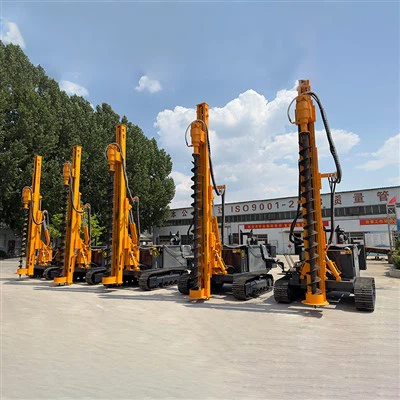
Foundation pile drilling is a critical process in construction projects, and rotary drilling rigs play a pivotal role in this operation. As a leading supplier of rotary drilling rigs, I have witnessed firsthand the importance of understanding the requirements for foundation pile drilling with these powerful machines. In this blog post, I will delve into the key requirements that need to be considered when using a rotary drilling rig for foundation pile drilling. Rotary Drilling Rig

Geological Conditions Assessment
One of the primary requirements for foundation pile drilling with a rotary drilling rig is a thorough assessment of the geological conditions at the construction site. Different soil and rock formations require different drilling techniques and equipment. For instance, in soft soil areas, a rotary drilling rig with a large-diameter drill bit and high torque may be needed to ensure efficient drilling. On the other hand, in hard rock formations, a rig with a powerful hammering system or a diamond-tipped drill bit may be more appropriate.
Geological surveys should be conducted prior to drilling to determine the type, depth, and strength of the soil and rock layers. This information will help in selecting the right rotary drilling rig and drilling parameters, such as drilling speed, pressure, and rotation rate. Additionally, it will also assist in identifying potential challenges, such as underground water tables, rock fractures, or unstable soil conditions, which may require special measures during drilling.
Rig Selection and Configuration
Selecting the right rotary drilling rig is crucial for the success of foundation pile drilling. The rig should be capable of meeting the specific requirements of the project, including the depth and diameter of the piles, the type of soil and rock formations, and the site conditions. Factors to consider when choosing a rotary drilling rig include:
- Drilling Capacity: The rig should have sufficient drilling capacity to reach the required pile depth and diameter. This is determined by the rig’s power, torque, and drilling speed.
- Mobility: The rig should be able to move easily around the construction site, especially in confined spaces. Consider the rig’s size, weight, and maneuverability when making a selection.
- Drilling Tools: The rig should be equipped with the appropriate drilling tools, such as drill bits, casing, and augers, depending on the geological conditions. Different types of drill bits are designed for different soil and rock formations, and using the wrong bit can result in inefficient drilling and increased wear and tear on the rig.
- Safety Features: The rig should be equipped with safety features, such as emergency stop buttons, safety guards, and warning systems, to ensure the safety of the operators and workers on the site.
Once the right rig has been selected, it is important to configure it properly for the specific drilling task. This includes adjusting the drilling parameters, such as the rotation speed, feed rate, and pressure, based on the geological conditions and the type of drilling tool being used. Additionally, the rig should be calibrated regularly to ensure accurate drilling and to prevent any potential issues.
Drilling Techniques and Procedures
Proper drilling techniques and procedures are essential for achieving high-quality foundation piles. Here are some key considerations:
- Pilot Hole Drilling: In some cases, it may be necessary to drill a pilot hole before the main pile drilling. This helps to ensure the accuracy of the pile location and to reduce the risk of deviation during drilling.
- Casing Installation: Casing is often used to support the borehole and prevent it from collapsing during drilling. The casing should be installed carefully and securely to ensure its effectiveness.
- Drilling Fluid Management: Drilling fluid, also known as mud, is used to lubricate the drill bit, cool the drilling equipment, and carry the cuttings to the surface. Proper management of the drilling fluid is crucial for efficient drilling and to prevent issues such as stuck drill bits or borehole instability.
- Monitoring and Control: Continuous monitoring of the drilling process is essential to ensure that the drilling is proceeding as planned. This includes monitoring the drilling parameters, such as the rotation speed, feed rate, and pressure, as well as the depth and diameter of the borehole. Any deviations from the planned parameters should be addressed immediately to prevent any potential issues.
Safety and Environmental Considerations
Safety is of utmost importance in foundation pile drilling. The following safety measures should be implemented:
- Operator Training: All operators should be properly trained and certified to operate the rotary drilling rig. They should be familiar with the rig’s controls, safety features, and operating procedures.
- Personal Protective Equipment (PPE): Operators and workers on the site should wear appropriate PPE, such as hard hats, safety glasses, gloves, and steel-toed boots, to protect themselves from potential hazards.
- Site Safety: The construction site should be properly secured and marked to prevent unauthorized access. Adequate safety barriers and warning signs should be installed to ensure the safety of the workers and the public.
- Environmental Protection: Foundation pile drilling can have an impact on the environment, such as soil erosion, water pollution, and noise pollution. To minimize these impacts, proper environmental protection measures should be implemented, such as using biodegradable drilling fluids, controlling dust emissions, and minimizing noise levels.
Quality Control and Inspection
Quality control and inspection are essential to ensure that the foundation piles meet the required standards and specifications. This includes:
- Borehole Inspection: The borehole should be inspected regularly during drilling to ensure that it is straight, vertical, and of the correct diameter. Any deviations from the planned specifications should be corrected immediately.
- Pile Integrity Testing: After the piles have been installed, pile integrity testing should be conducted to ensure that they are free from defects and have the required load-bearing capacity. This can be done using various non-destructive testing methods, such as sonic logging, cross-hole sonic logging, and low-strain integrity testing.
- Documentation: Proper documentation of the drilling process, including the drilling parameters, borehole inspection results, and pile integrity testing reports, should be maintained for future reference and quality control purposes.
Conclusion
Concrete Pile Driver Foundation pile drilling with a rotary drilling rig requires careful planning, proper equipment selection, and adherence to strict safety and quality control measures. By understanding the requirements outlined in this blog post, construction companies can ensure the successful completion of their foundation pile drilling projects. As a rotary drilling rig supplier, I am committed to providing high-quality equipment and technical support to help our customers achieve their goals. If you are in need of a rotary drilling rig for your next project, please feel free to contact us to discuss your requirements and explore the options available.
References
- American Society of Civil Engineers (ASCE). (2017). Geotechnical engineering circular no. 10: Design and construction of drilled shafts. Reston, VA: ASCE.
- International Association of Foundation Drilling (ADSC). (2019). Standard specifications for drilled shafts. Alexandria, VA: ADSC.
- Federal Highway Administration (FHWA). (2018). Drilled shaft construction procedures. Washington, DC: FHWA.
Shandong Liqiang Machinery Co., Ltd.
We’re well-known as one of the leading rotary drilling rig enterprises in China. Please feel free to buy cheap rotary drilling rig for sale here from our factory. Quality products and competitive price are available.
Address: Shandong Tengzhou City College West Road Shandong Liqiang machinery Co., LTD
E-mail: SDLQDavid@gmail.com
WebSite: https://www.sdlq888.com/
